Skin Barrier Repair for Pigmentation-Prone Skin: What Most Routines Get Wrong
Table of Contents
Introduction: Skin Barrier Repair for Pigmentation-Prone Skin
Skin barrier repair for pigmentation-prone skin is not the same as standard barrier recovery advice. Pigmentation-prone skin reacts differently to irritation, inflammation, and product overload, which is why a targeted approach to skin barrier repair for pigmentation-prone skin is essential for preventing darkening and relapse. If your treatments are not giving results, understanding why your pigmentation is not improving is essential before continuing with active ingredients.
Pigmentation-prone skin behaves differently.
- It reacts faster.
- It inflames easily.
- And it darkens in response to even mild irritation.
This is why many people trying to fade melasma or post-inflammatory hyperpigmentation (PIH) struggle with a frustrating cycle: actives cause irritation, irritation worsens pigmentation, and treatments appear to “stop working.”
The missing step is often barrier repair tailored specifically for pigmentation-prone skin, not generic hydration or “skin cycling” trends.
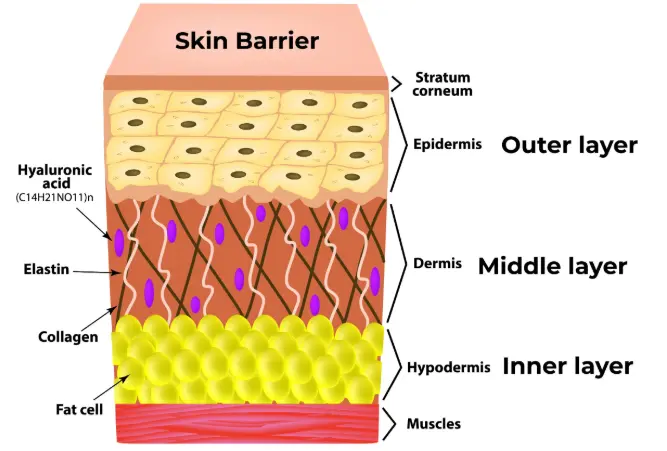
To know basics on skin barrier this article will help.
What Makes Skin Pigmentation-Prone?
Pigmentation-prone skin is not defined by color alone. It is defined by how melanocytes respond to stress.
Key characteristics include:
- Higher melanocyte reactivity
- Increased inflammatory signaling
- Greater sensitivity to barrier disruption
- Slower recovery after irritation
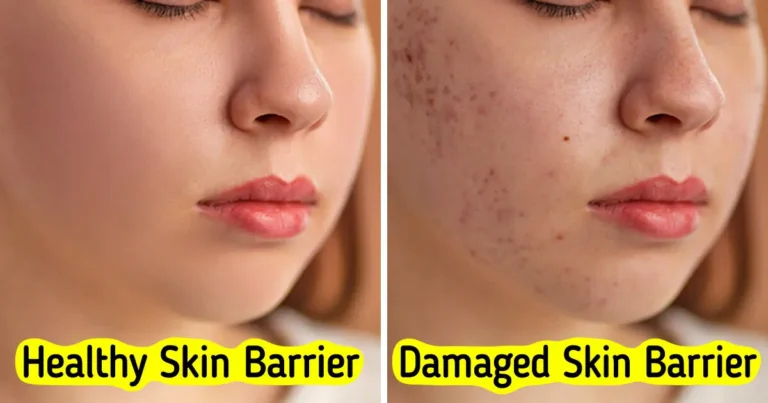
When the skin barrier weakens, these factors combine to amplify pigment production, even without visible injury.
Why Barrier Damage Worsens Pigmentation
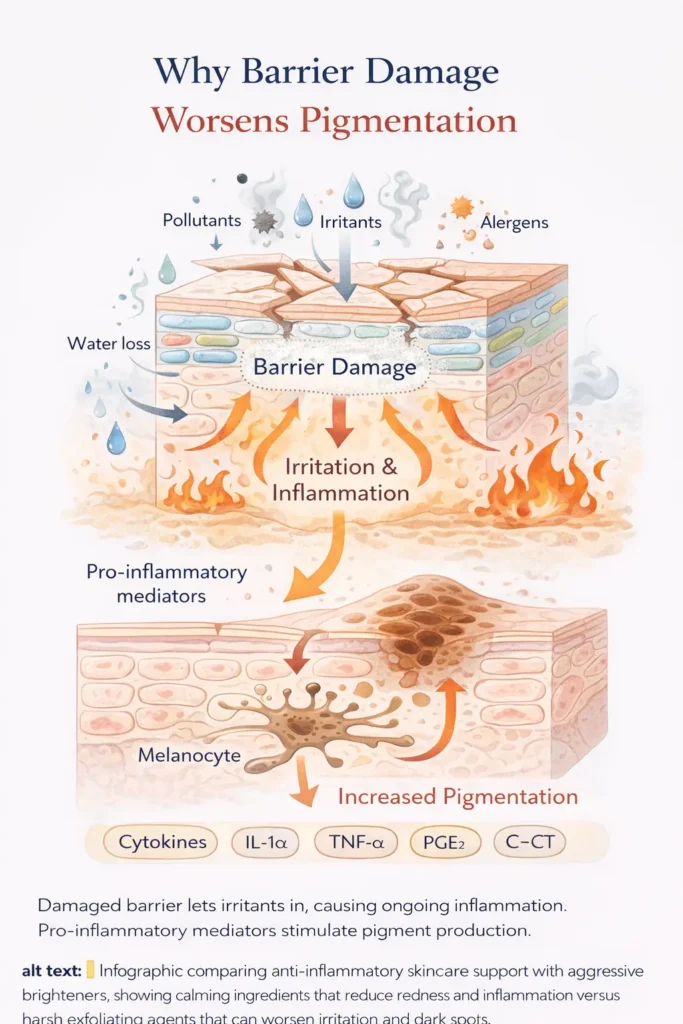
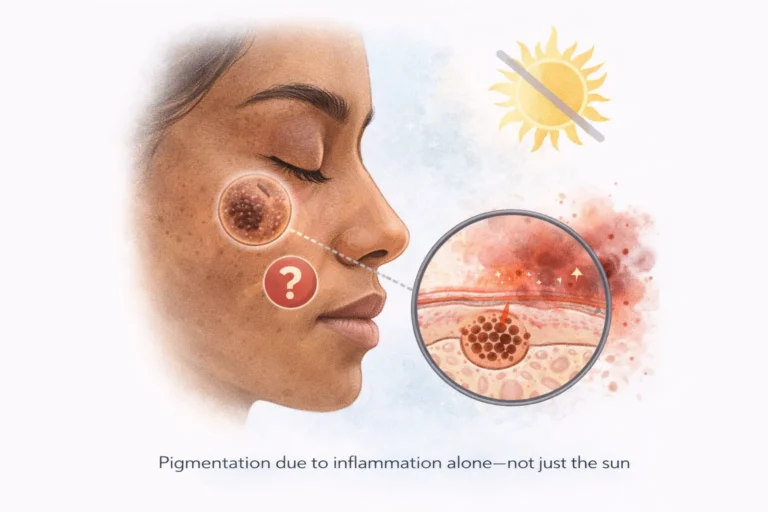
A damaged barrier allows irritants and water loss to trigger low-grade, chronic inflammation.
In pigmentation-prone skin, this inflammation directly stimulates melanocytes.
According to Dr. Faiza Shams:
“Pigmentation-prone skin does not need strong triggers. Even subtle barrier disruption can activate melanocytes and lead to visible darkening.”
This explains why:
- Pigmentation can darken without sun exposure
- “Gentle” actives still sting
- Results reverse after initial improvement
Common Mistakes in Barrier Repair for Pigmentation-Prone Skin
Mistake 1: Treating Barrier Repair Like a Break From Actives
Stopping actives entirely without addressing inflammation and lipid loss often leads to temporary comfort but long-term relapse. Only maintain your skin’s hydration to keep it healthy and balanced.
Barrier repair should stabilize the skin while keeping melanocyte triggers under control.
Mistake 2: Over-Moisturizing Without Lipid Replacement
Hydrating serums alone do not rebuild the barrier.
Pigmentation-prone skin requires barrier-identical lipids, not just humectants.
Mistake 3: Using High-Strength “Soothing” Ingredients
High concentrations of niacinamide, exfoliating toners labeled as calming, or essential oils can quietly worsen inflammation.
For pigmentation-prone skin, less reactive formulas matter more than stronger ones.
The Right Way to Repair the Barrier in Pigmentation-Prone Skin
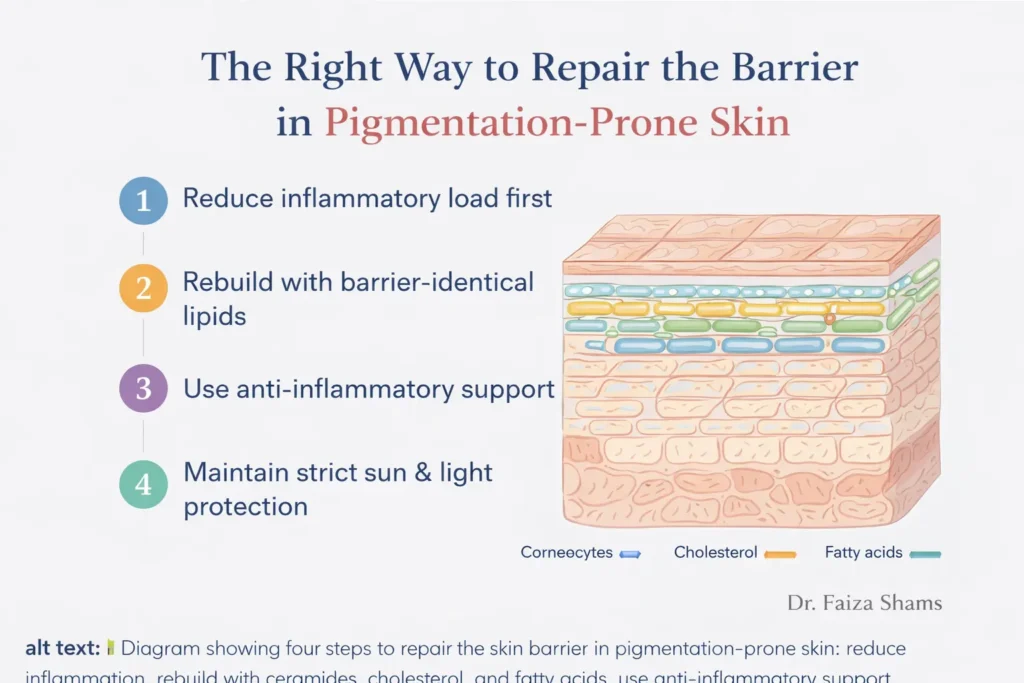
Barrier repair here is about precision, not intensity.
Learn why pigmentation Looks Darker Before It Improves.
Step 1: Reduce Inflammatory Load First
Before focusing on moisturization, reduce what is actively triggering melanocytes:
- Decrease exfoliation frequency
- Avoid stinging products
- Limit heat exposure
- Simplify layering
This lowers background inflammation and prepares the skin to heal.
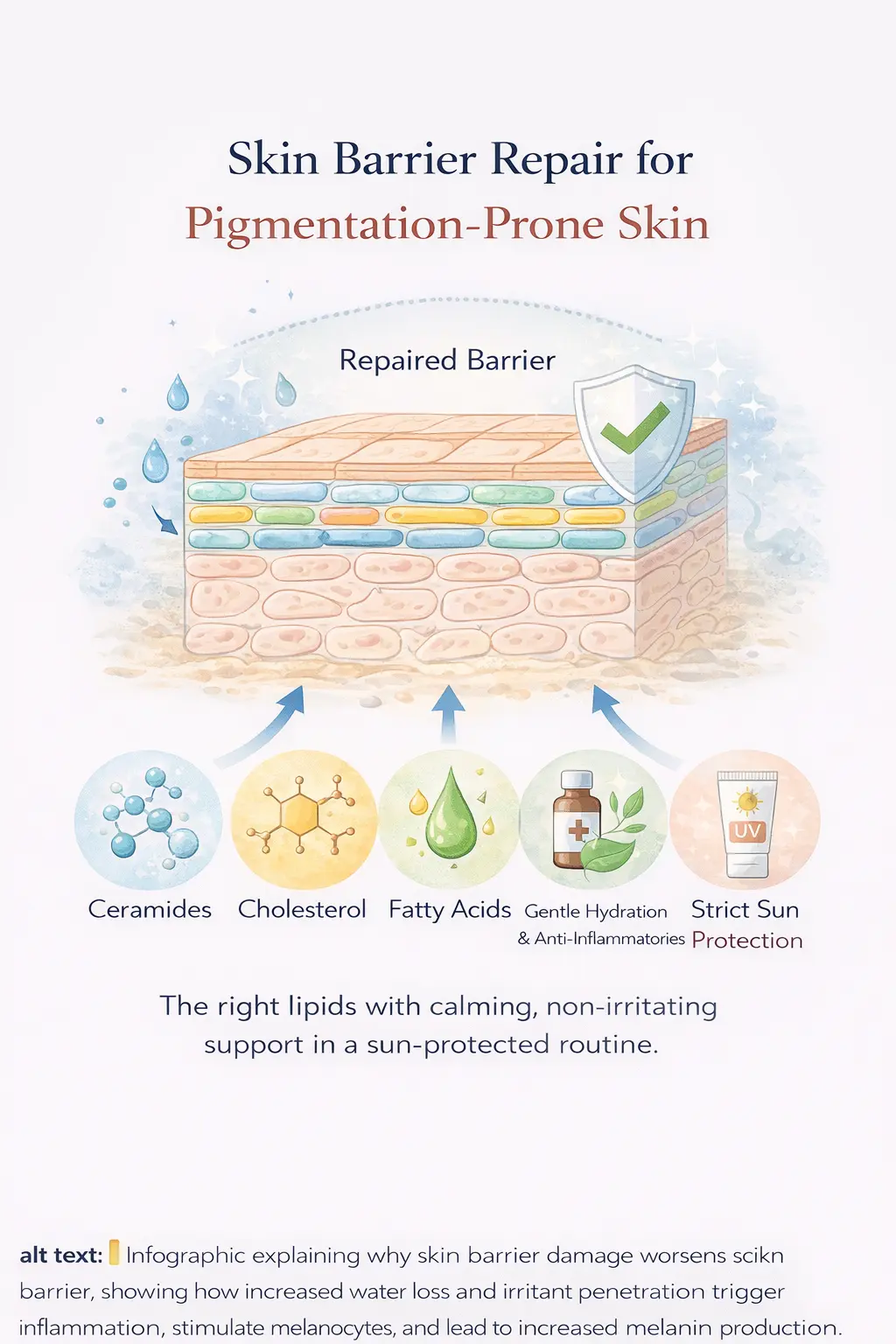
Step 2: Rebuild With Barrier-Identical Lipids
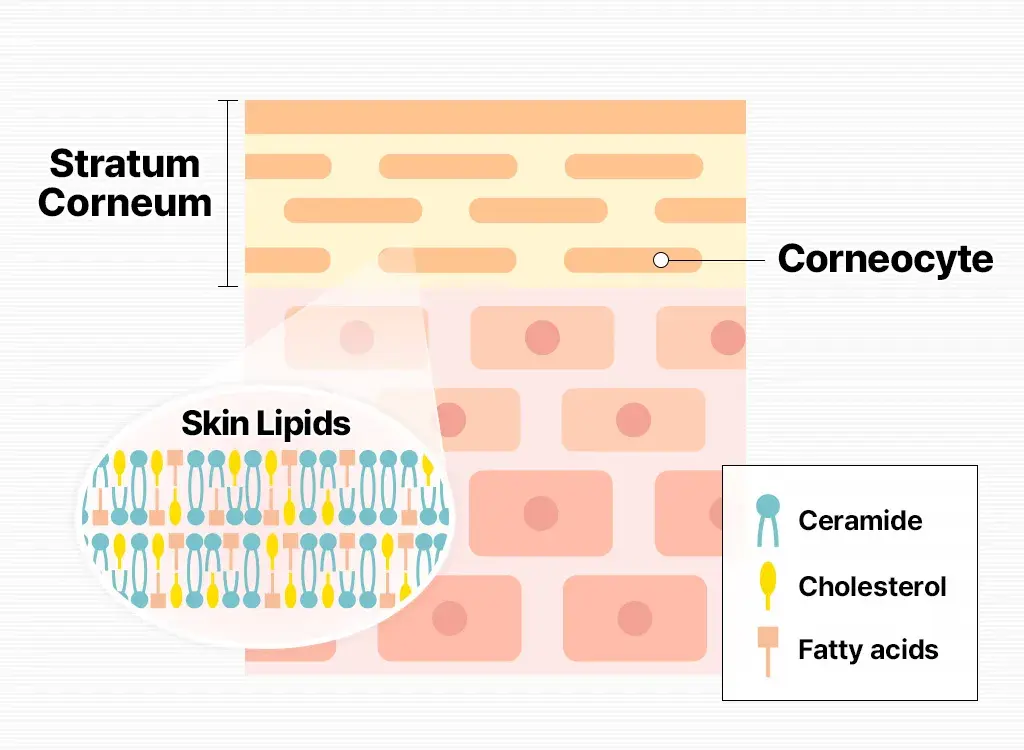
Pigmentation-prone skin repairs best when supplied with:
- Ceramides
- Cholesterol
- Free fatty acids
These lipids restore the lamellar structure of the stratum corneum, reducing water loss and inflammatory signaling.
For a practical guide on choosing the right cleanser for your skin type, read: Oil Cleanser vs Foam Cleanser
Dr. Faiza Shams explains:
“When the barrier lipids are restored, melanocyte overactivity naturally settles. This is why pigment control improves after proper barrier repair.”
Step 3: Use Anti-Inflammatory Support—Not Aggressive Brighteners
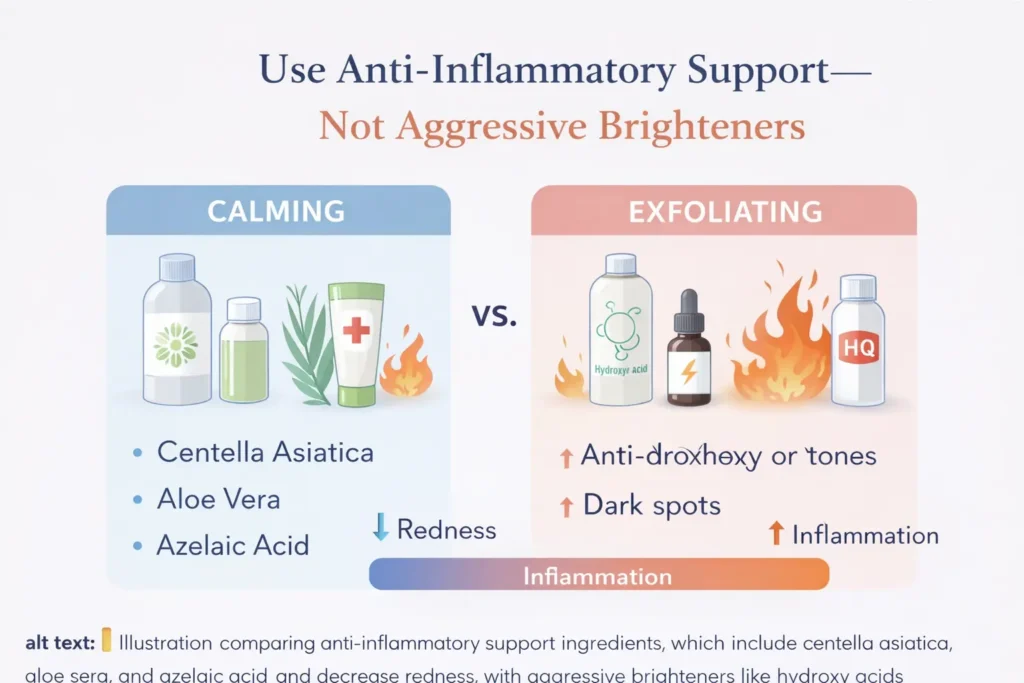
During barrier repair:
- Choose calming agents that do not exfoliate
- Avoid strong acids, peels, or scrubs
- Prioritize tolerance over speed
Reducing inflammation indirectly reduces pigment production.
Step 4: Maintain Strict Sun and Light Protection
Even a repaired barrier remains vulnerable to:
- UV radiation
- Visible light
- Heat
Consistent protection prevents re-activation of melanocytes during recovery.
Using gentle serums for sensitive and reactive skin can help restore barrier function and reduce irritation.
Can You Repair the Barrier While Treating Pigmentation?
Yes—but timing and formulation matter.
A safe approach:
- Use pigment-modulating actives at lower frequency
- Apply them on fully calm skin
- Support the barrier on alternate days
This prevents the common cycle of improvement followed by relapse.
How Long Does Barrier Repair Take in Pigmentation-Prone Skin?
Pigmentation-prone skin heals more slowly because melanocytes remain sensitive even after visible symptoms improve.
Typical timelines:
- Initial comfort: 1–2 weeks
- Reduced reactivity: 4–6 weeks
- Pigment stability: 8–12 weeks
Consistency matters more than product count.
Signs Your Barrier Repair Is Working
Positive indicators include:
- Less stinging with previously tolerated products
- Reduced redness after washing
- More even tone stability
- Pigmentation stops spreading or darkening
These changes often appear before visible fading, which is a good sign.
Why Barrier Repair Improves Pigmentation Outcomes Long-Term
When the barrier is stable:
- Melanocytes receive fewer inflammatory signals
- Actives work more predictably
- Relapse risk decreases
- Treatment tolerance improves
This is why barrier-first strategies are increasingly emphasized in modern pigmentation management.
Final Thoughts: Barrier Repair Is Not Optional for Pigmentation-Prone Skin
Pigmentation-prone skin does not fail treatments—it reacts to stress.
This explains why pigmentation treatments fail, even when strong actives are used without repairing the skin barrier first. When skin barrier repair for pigmentation-prone skin is done incorrectly, even gentle products can trigger inflammation and worsen uneven tone. This is why understanding how to repair the skin barrier specifically in pigmentation-prone skin plays a critical role in long-term pigmentation control and treatment success.
Repairing the skin barrier in a controlled, inflammation-aware way is not a delay in treatment. It is the foundation that allows pigmentation to fade safely and stay controlled.
As Dr. Faiza Shams summarizes:
“In pigmentation-prone skin, barrier repair is not supportive care—it is active treatment.”
FAQS
1. Why does sensitive skin develop dark spots more easily?
Sensitive skin has a lower tolerance to irritation and inflammation, which can overstimulate melanocytes and increase melanin production, leading to dark spots and uneven skin tone.
2. Can inflammation alone cause skin discoloration?
Yes, chronic low-grade inflammation can trigger melanocyte activity even without visible injury, contributing to inflammation-related skin discoloration and persistent pigmentation.
3. What ingredients help calm reactive skin with uneven tone?
Ingredients such as ceramides, panthenol, allantoin, low-strength niacinamide, and colloidal oatmeal help calm reactive skin and support tone stability without increasing irritation.
4. Why does pigmentation return after initial improvement?
Pigmentation often returns when the skin barrier remains compromised, allowing repeated inflammatory triggers that reactivate melanocytes despite visible initial improvement.
Address: Block C, Punjab University Employees Housing Scheme Phase-II, Lahore, Pakistan
Contact Number: +923224563810