Why Pigmentation Is Harder to Treat in Pakistan (Even With Good Skincare)
Table of Contents
Introduction: Why Pigmentation Behaves Differently in Pakistan

Many people in Pakistan follow global skincare advice, use sunscreen, invest in treatments, and still struggle with stubborn pigmentation. Dark patches linger, melasma keeps returning, and improvement feels slower compared to what is promised online.
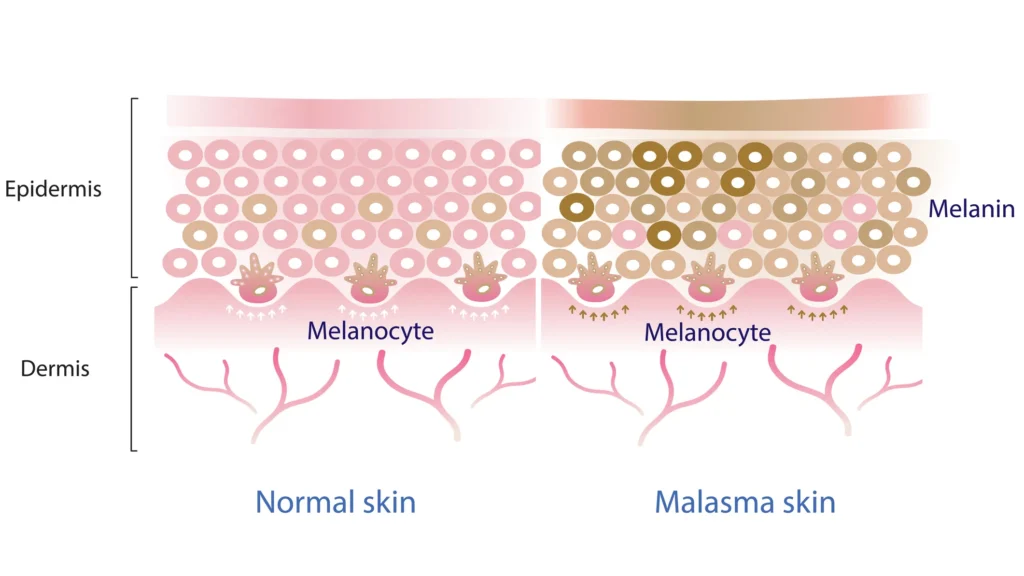
This is not because treatments don’t work—but because pigmentation in Pakistan is driven by a unique combination of climate, environmental exposure, lifestyle, and skin biology that is rarely addressed properly.
Understanding these local factors is essential for realistic expectations and long-term results.
Intense UV Exposure Is a Year-Round Trigger
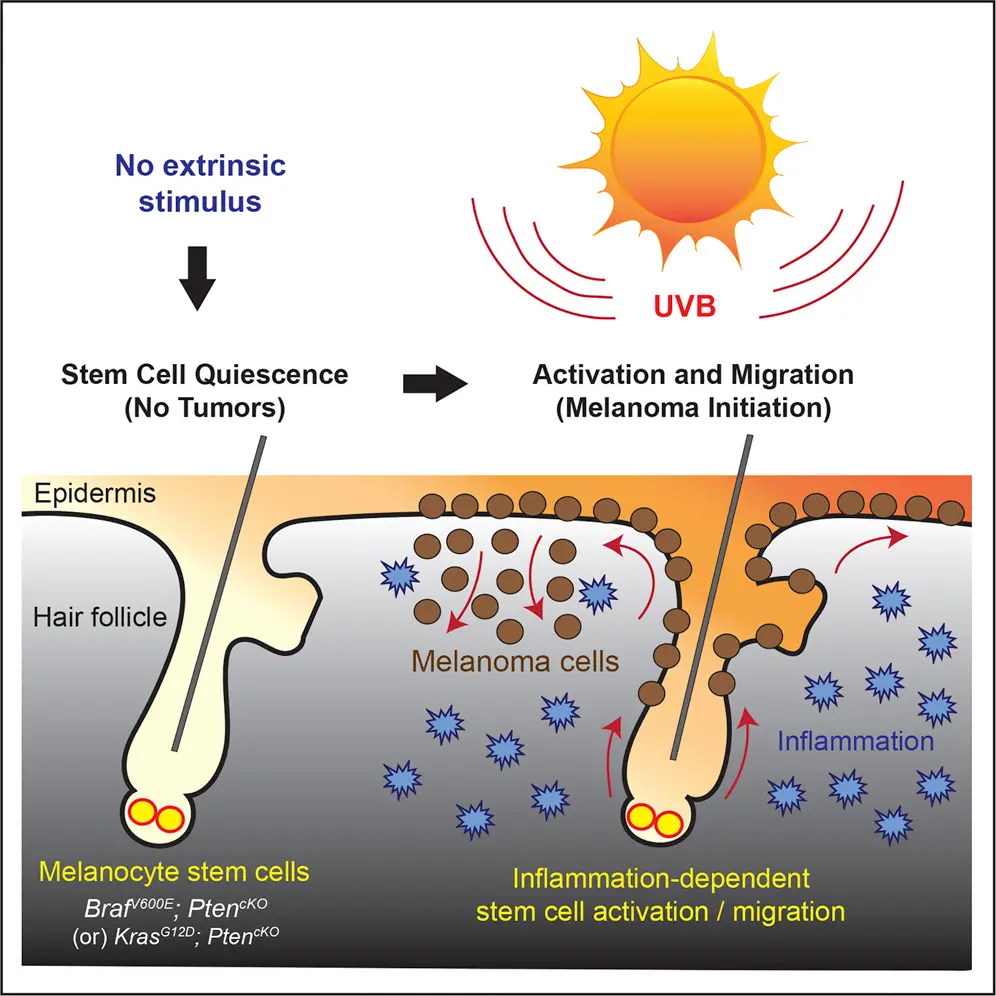
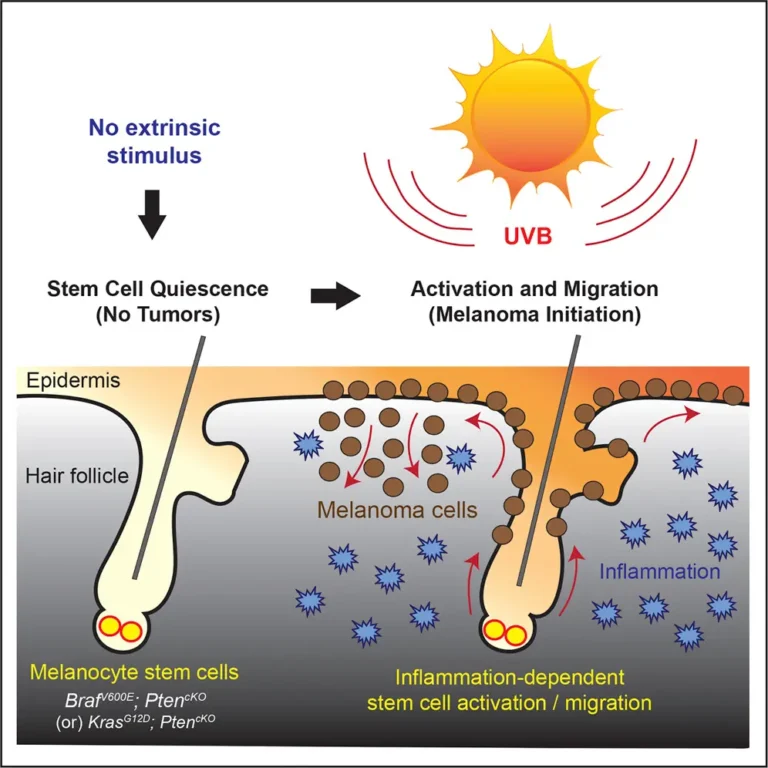
Pakistan experiences high UV indices for most of the year, not just in summer. Even short daily exposure accumulates over time, keeping melanocytes continuously stimulated.
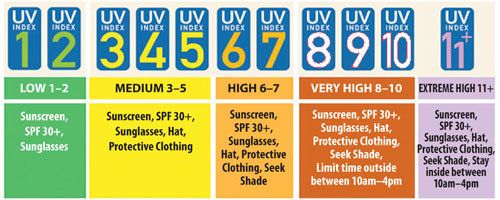
Unlike temperate regions, UV exposure in Pakistan is:
- More frequent
- More intense
- Less seasonal
This makes pigmentation more persistent and relapse more common.
Heat Worsens Pigmentation Even Without Sun
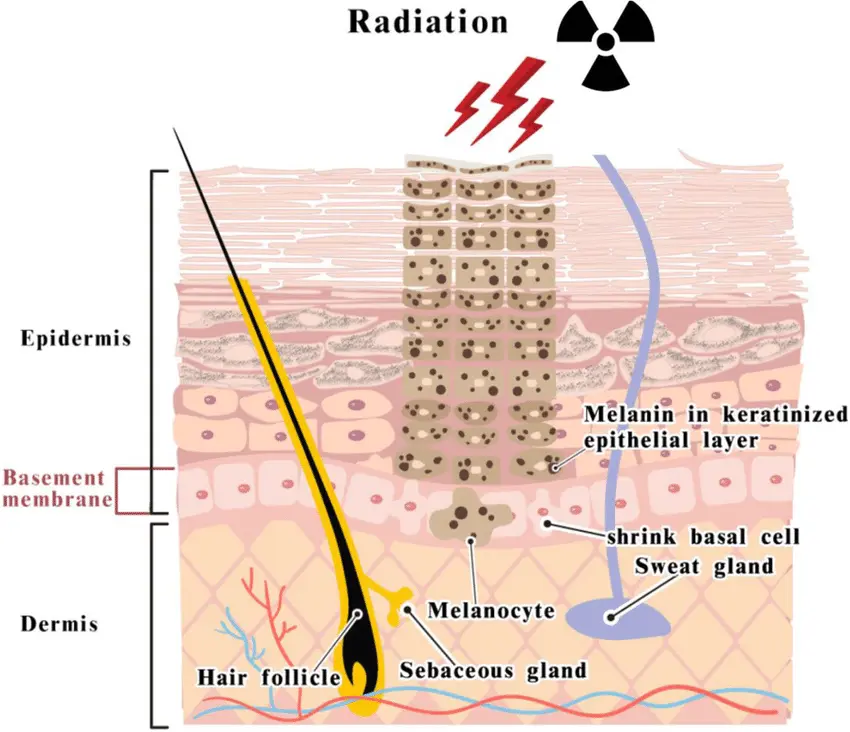
Heat exposure is one of the most underestimated contributors to pigmentation in Pakistan.
Sources include:
- Hot weather
- Cooking environments
- Load-shedding and poor ventilation
- Indoor heat buildup
Heat increases vascular activity and inflammation, which directly stimulates melanocytes—even without sun exposure.
Air Pollution and Dust Drive Chronic Inflammation
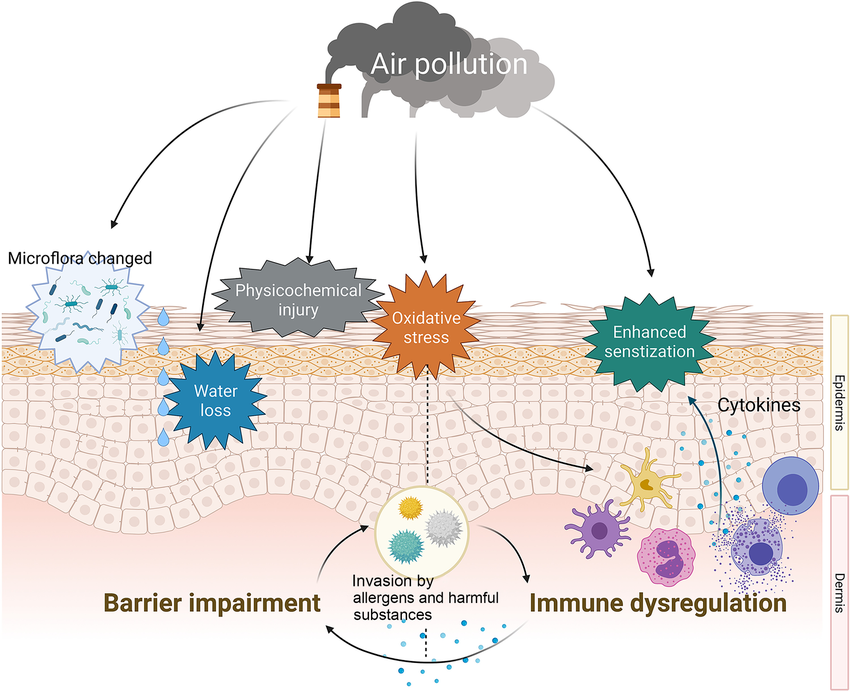
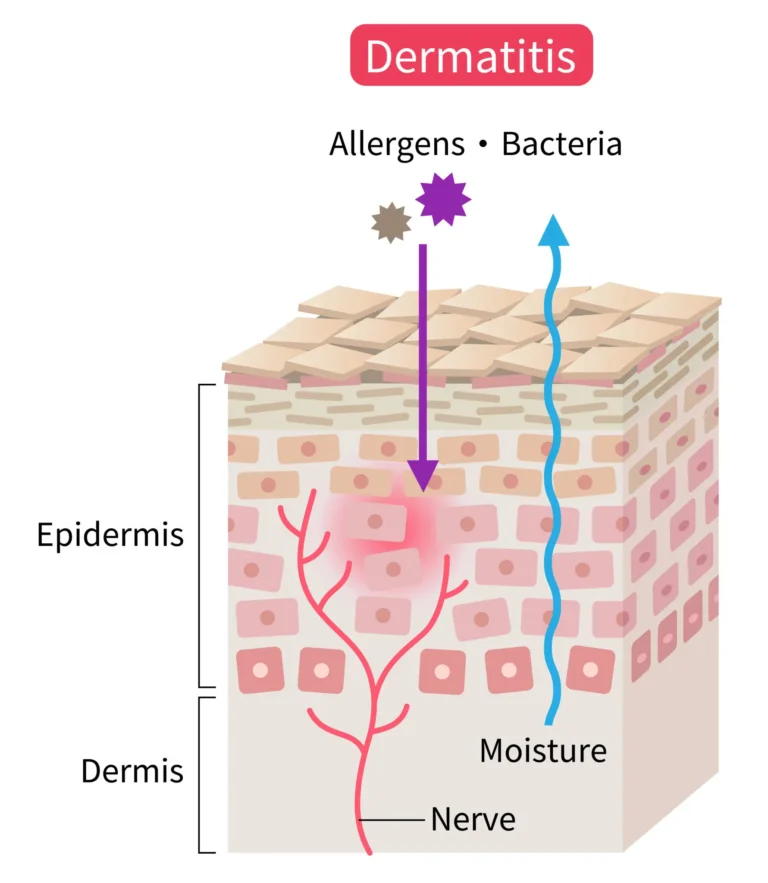
Urban air pollution, dust, and particulate matter increase oxidative stress on the skin. These pollutants weaken the skin barrier and maintain low-grade inflammation.
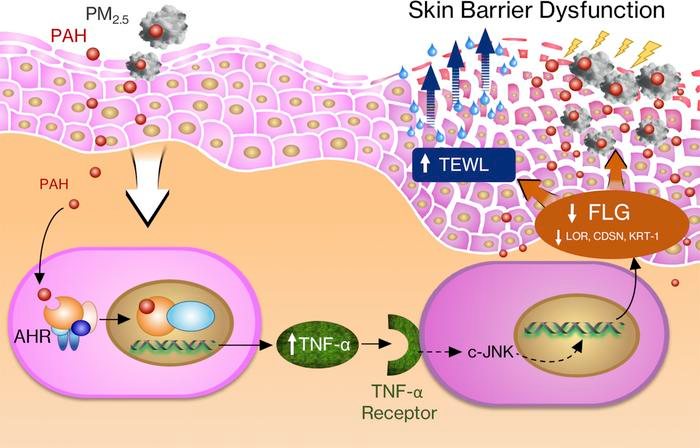
In Pakistan’s urban centers, pollution exposure is daily and unavoidable, making pigmentation harder to calm and easier to relapse.
Pakistani Skin Is Biologically More Reactive
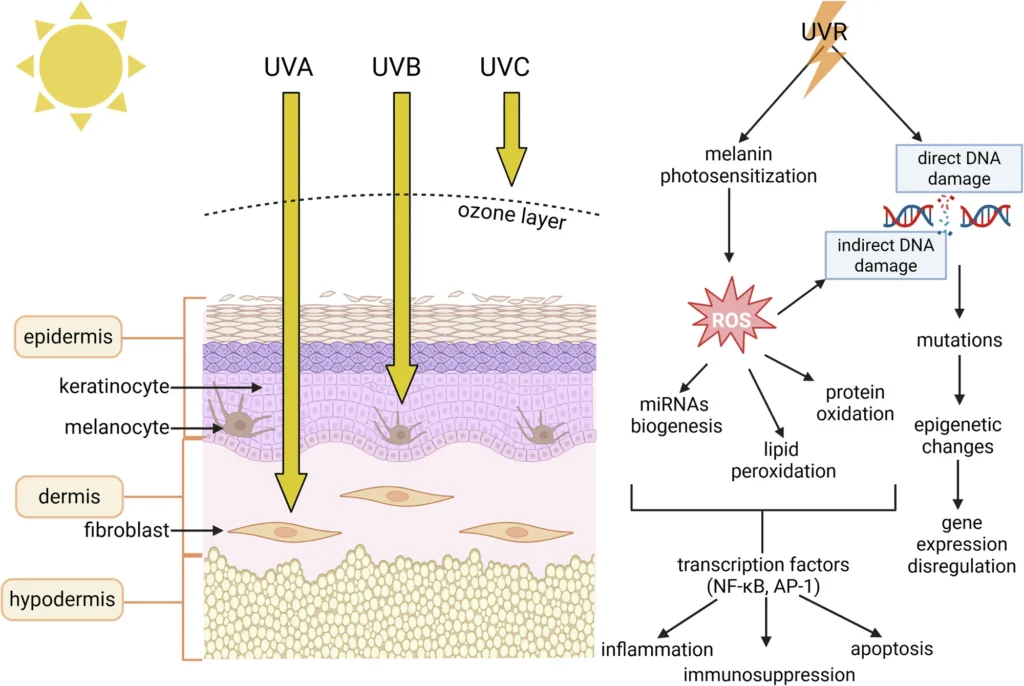
South Asian skin contains more active melanocytes. While this provides some natural UV protection, it also increases the risk of:
- Inflammation-induced pigmentation
- Post-inflammatory hyperpigmentation
- Treatment relapse
Pigment clearance is also slower, meaning dark patches take longer to fade.
Cultural Skincare Practices Can Worsen Pigmentation
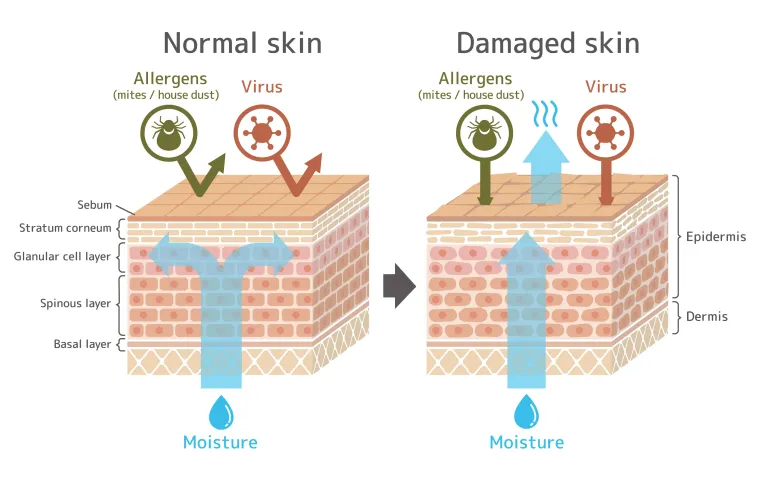
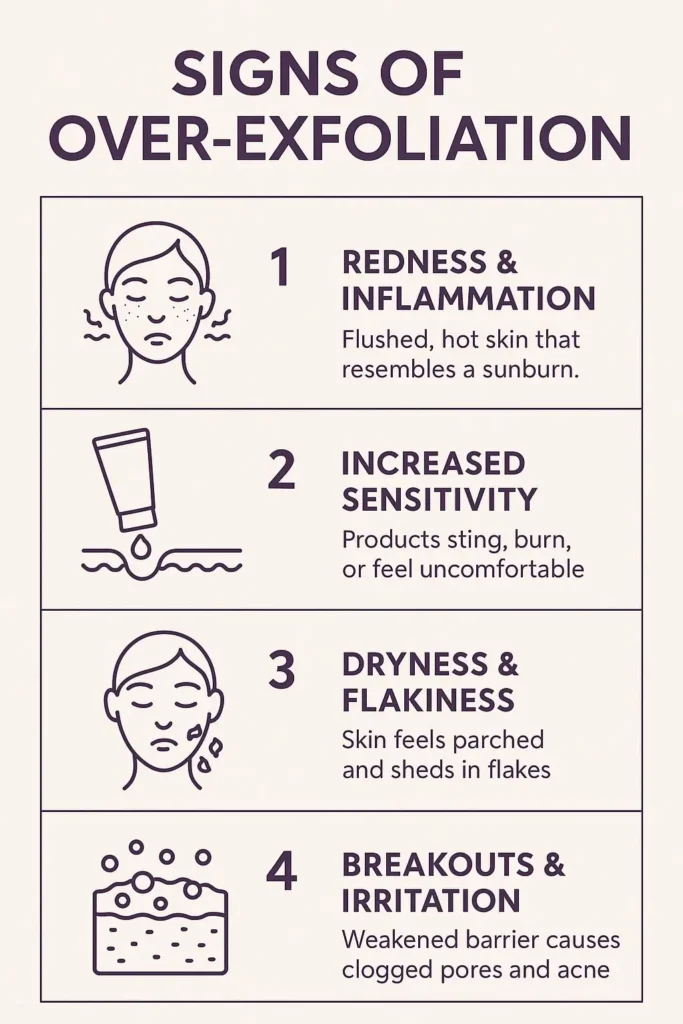
Common practices that worsen pigmentation include:
- Overuse of fairness creams
- Frequent exfoliation
- Mixing multiple actives
- Using steroid-containing products
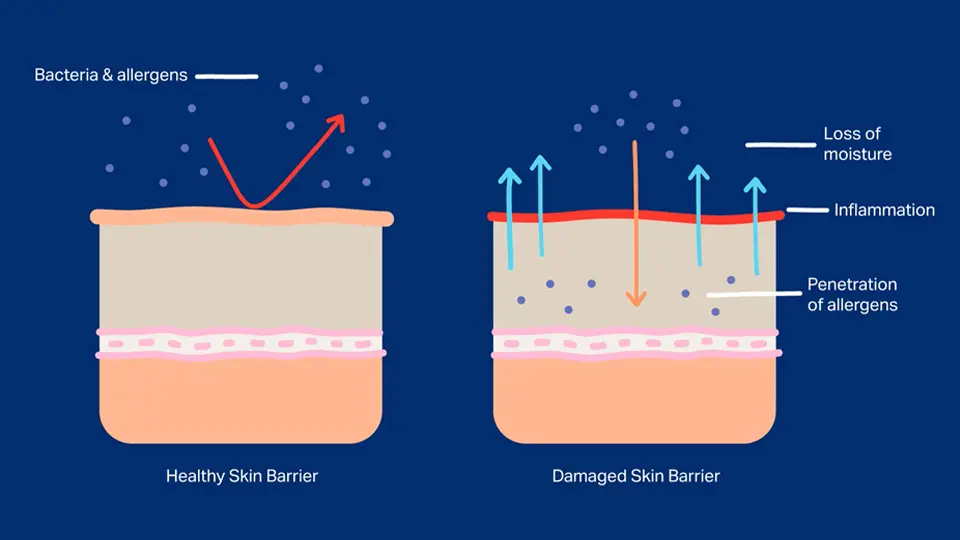
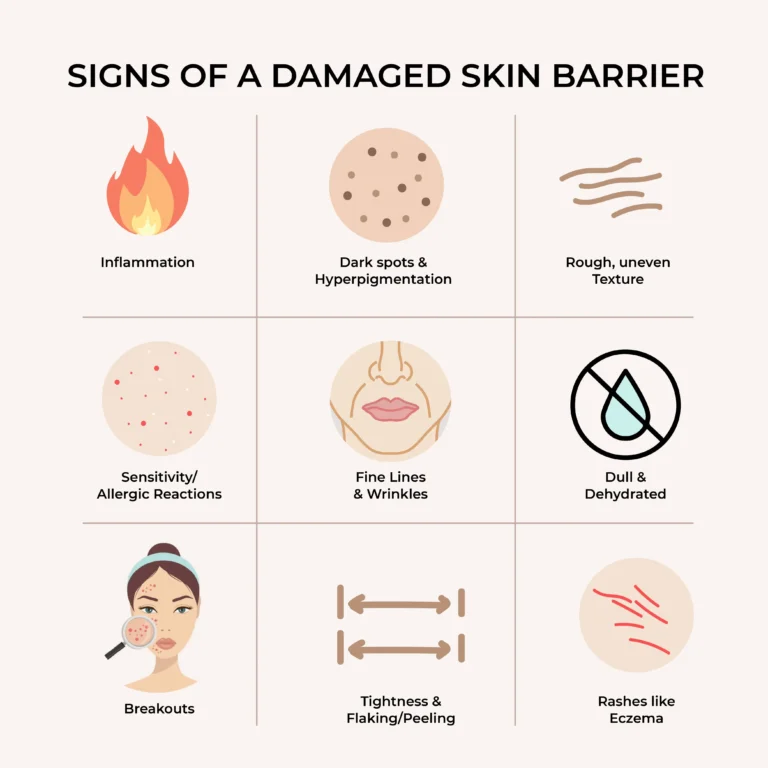
These practices damage the skin barrier, increase photosensitivity, and trigger rebound pigmentation.
Sunscreen Misuse Is Common
While awareness of sunscreen has improved, misuse remains widespread:
- Under-application
- Skipping reapplication
- Using inadequate UVA or visible light protection
In Pakistan’s climate, sunscreen alone is not enough without barrier support and inflammation control.
Hormonal Factors Play a Bigger Role Than Expected
Hormonal fluctuations, particularly in women, strongly influence pigmentation. Pregnancy, PCOS, thyroid disorders, and stress-related hormonal changes are common contributors.
Without addressing hormonal drivers, topical treatments alone often fail.
Why Treatments Work Slower in Pakistan
Pigmentation treatment timelines are longer due to:
- Continuous environmental triggers
- Slower pigment clearance
- Higher inflammation baseline
- Barrier damage
This does not mean treatment is ineffective—it means patience and strategy matter more.
What Actually Works for Pigmentation in Pakistan
Successful management requires:
- Broad-spectrum and visible-light protection
- Heat awareness and avoidance
- Barrier-repair skincare
- Anti-inflammatory routines
- Gentle, consistent treatment
Aggressive approaches often worsen outcomes.
Final Thoughts: Pigmentation Needs Local Solutions
Pigmentation in Pakistan cannot be treated using generic advice designed for different climates and skin types.
When treatment respects local environmental exposure, skin biology, and lifestyle factors, results become more predictable and sustainable.
Understanding why pigmentation is harder to treat is the first step toward treating it correctly.
FAQ
Why is pigmentation more common in Pakistan?
Because of year-round UV exposure, heat, pollution, and higher melanocyte reactivity in South Asian skin.
Does sunscreen alone prevent pigmentation in Pakistan?
No. Sunscreen is essential but must be combined with barrier repair and inflammation control.
How long does pigmentation take to improve in Pakistan?
Most people need several months of consistent, gentle care for stable improvement.
Address: Block C, Punjab University Employees Housing Scheme Phase-II, Lahore, Pakistan
Contact Number: +923224563810