Why Barrier-Repair Skincare Works Better Than Brightening for Dark Spots
Table of Contents
Introduction: Why Dark Spots Rarely Fade With Brightening Alone
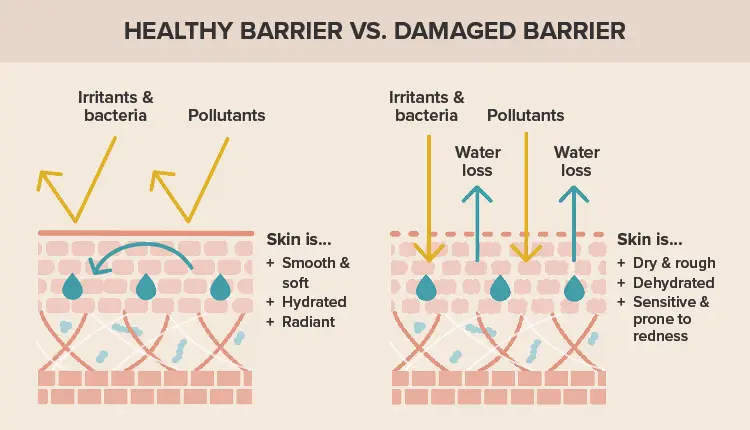
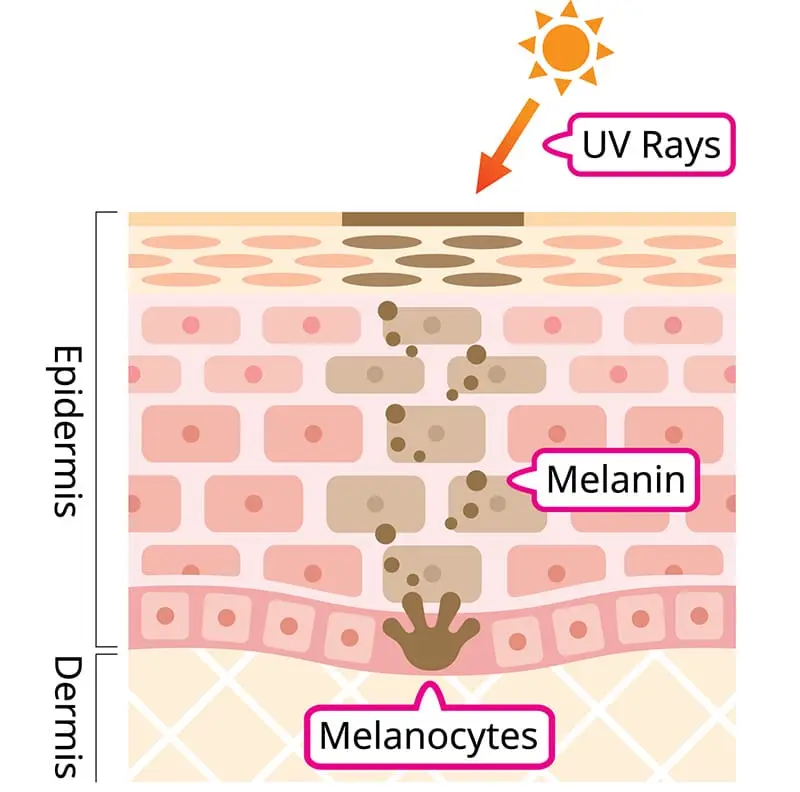
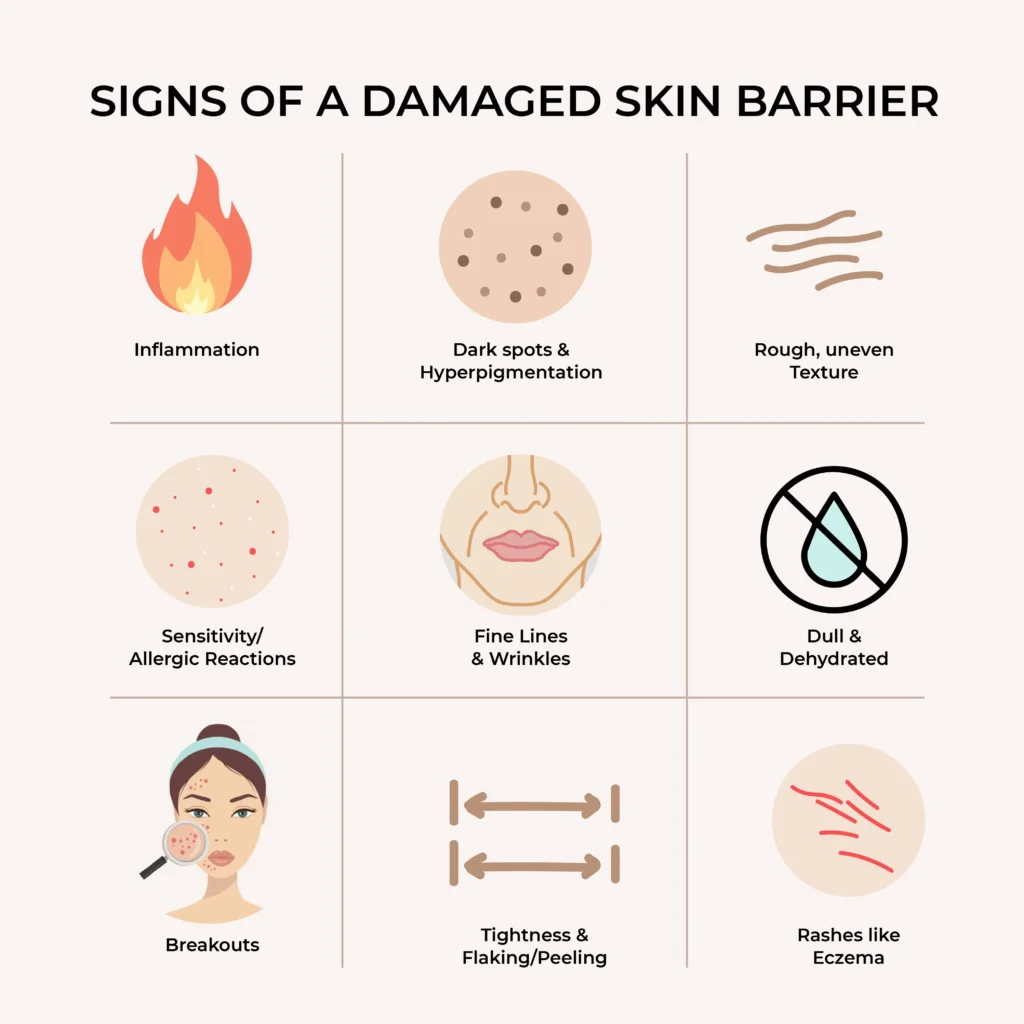
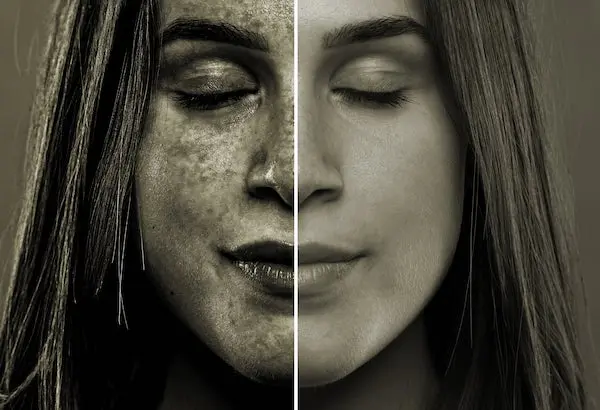
Dark spots are one of the most common skincare concerns, yet also one of the most misunderstood. Many people assume hyperpigmentation is simply excess melanin sitting on the surface of the skin, waiting to be lightened away with the right ingredient. This belief fuels the overuse of acids, peels, and brightening creams.
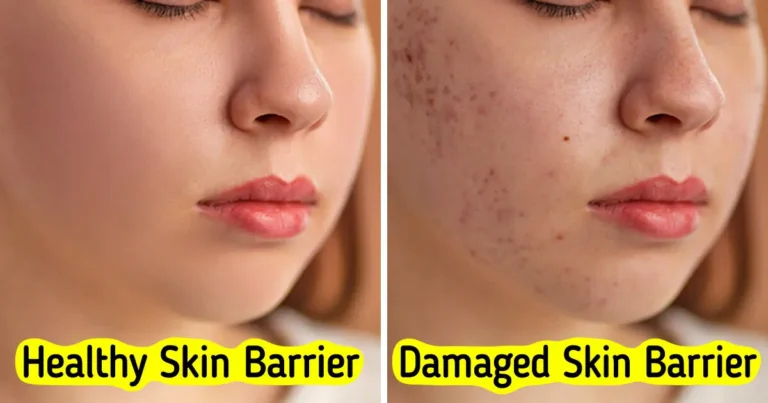
In reality, dark spots behave less like stains and more like a stress response. When skin repeatedly darkens, relapses, or reacts badly to treatment, it is rarely because brightening ingredients are weak. It is because the skin barrier is compromised.
Barrier-repair skincare works better for dark spots not because it lightens pigment directly, but because it removes the biological triggers that keep melanocytes overactive. Without restoring barrier health, brightening treatments often worsen pigmentation rather than improve it.
What the Skin Barrier Actually Does (And Why Pigmentation Depends on It)
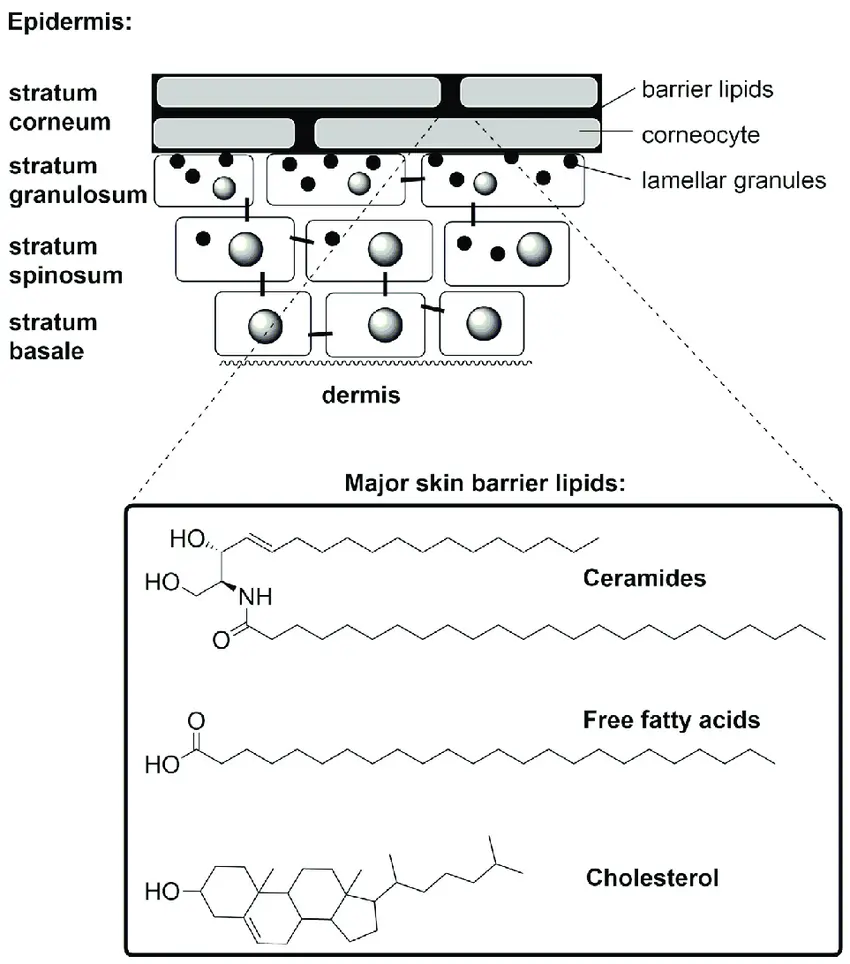
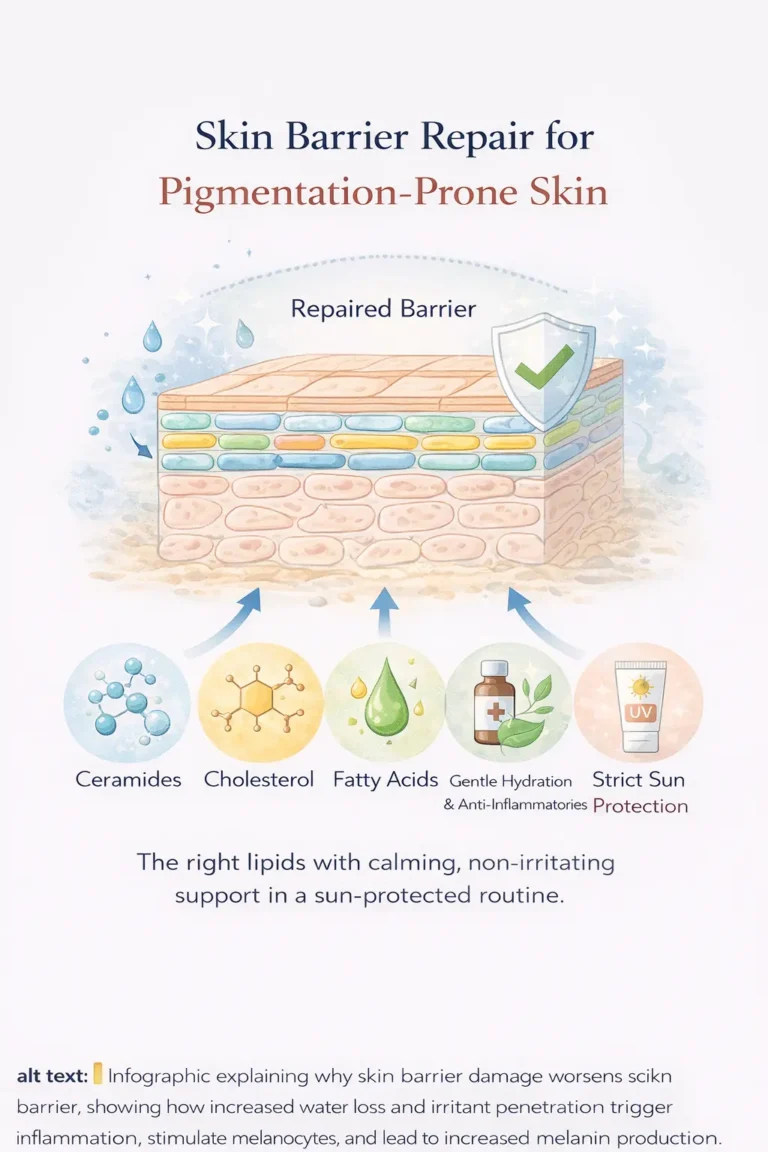
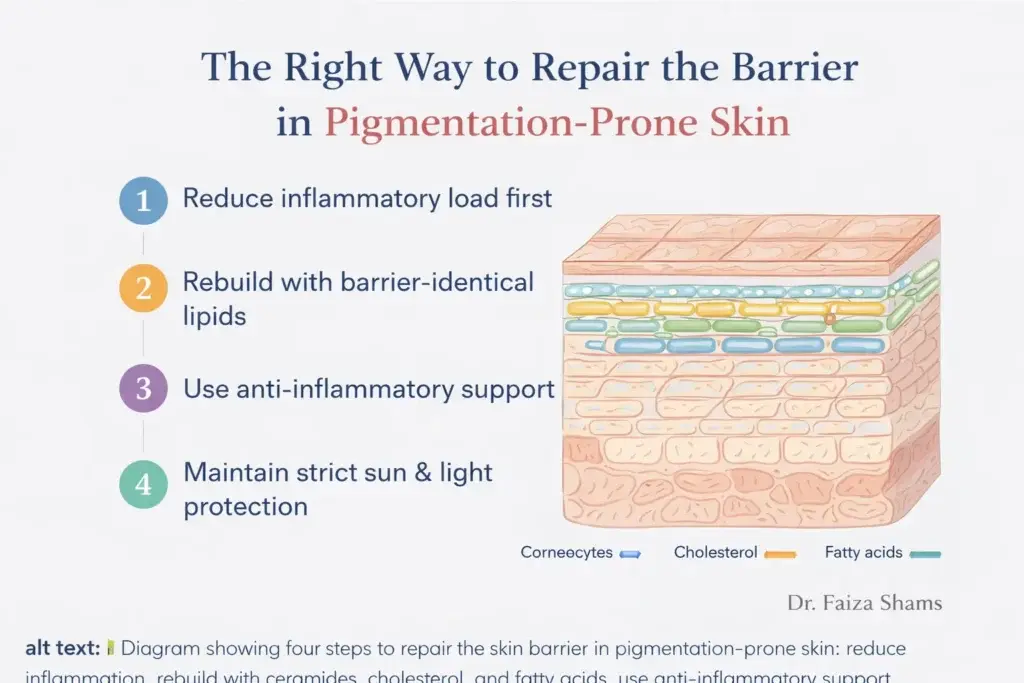
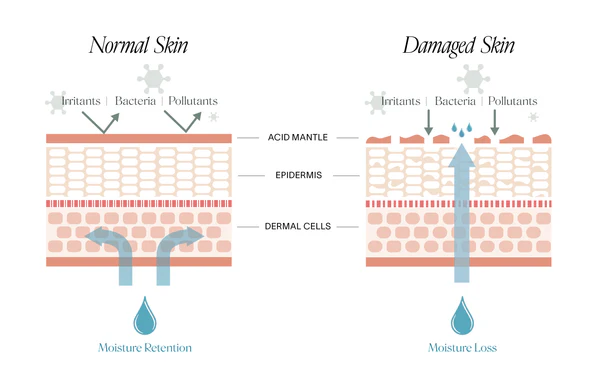
The skin barrier is the outermost protective system of the epidermis, primarily located in the stratum corneum. It is composed of corneocytes held together by lipids—mainly ceramides, cholesterol, and fatty acids.
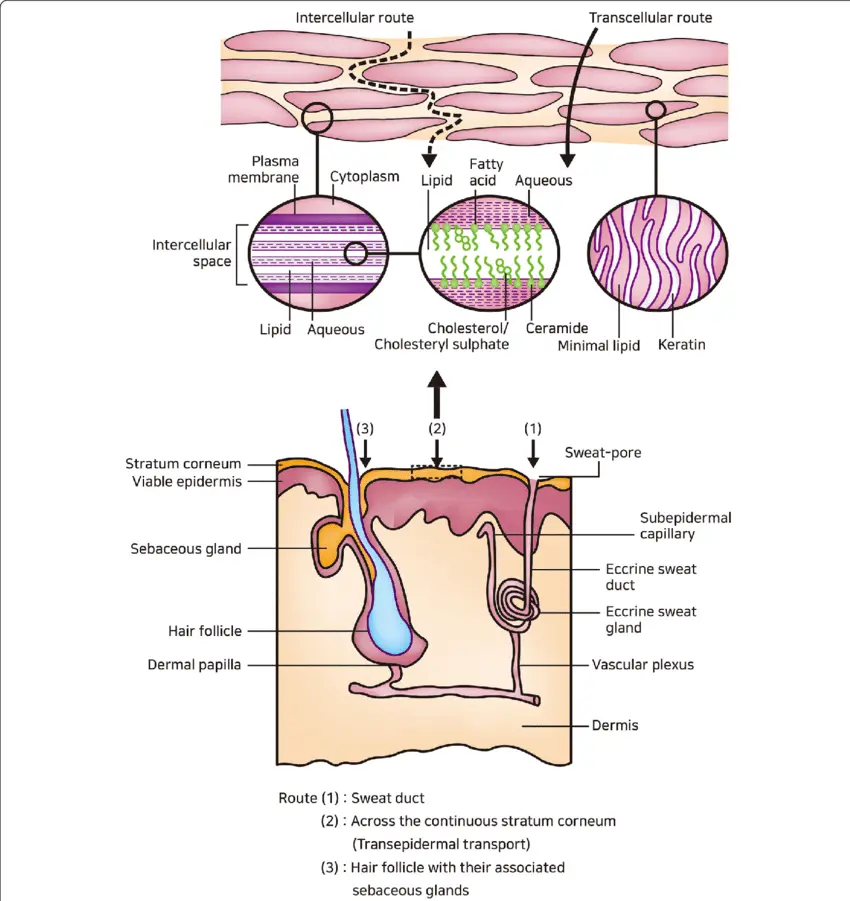
This barrier has several critical roles:
- Preventing excessive water loss
- Blocking irritants, pollutants, and microbes
- Regulating inflammatory signaling
- Maintaining normal melanocyte behavior
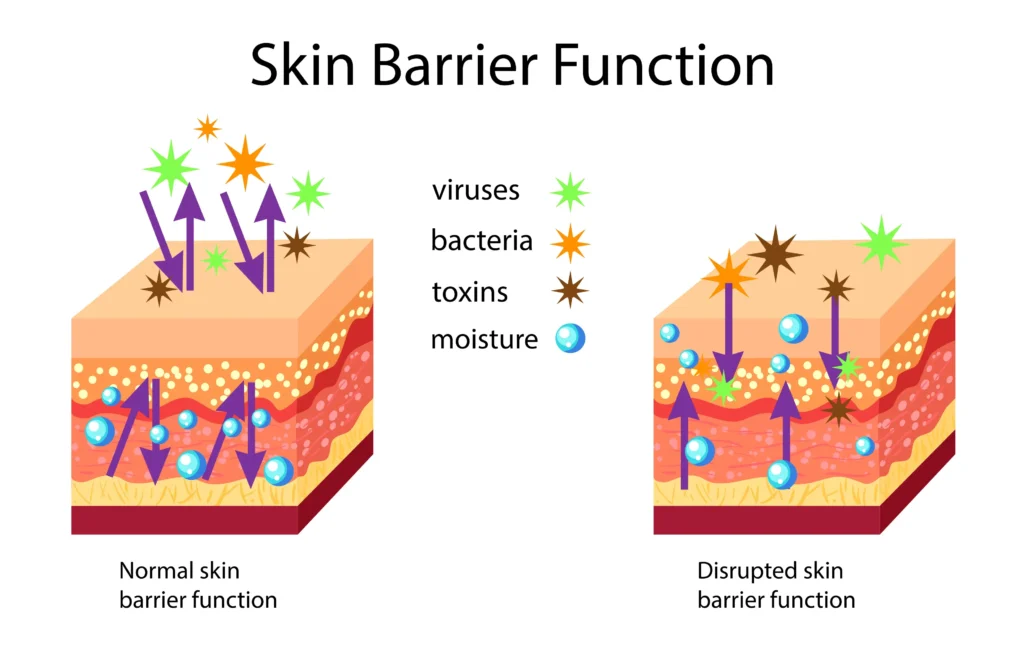
When the barrier is intact, the skin can tolerate environmental stress without triggering inflammation or pigmentation. When the barrier is disrupted, even mild stimuli can provoke melanocyte activation.
Why Brightening Products Often Fail for Dark Spots
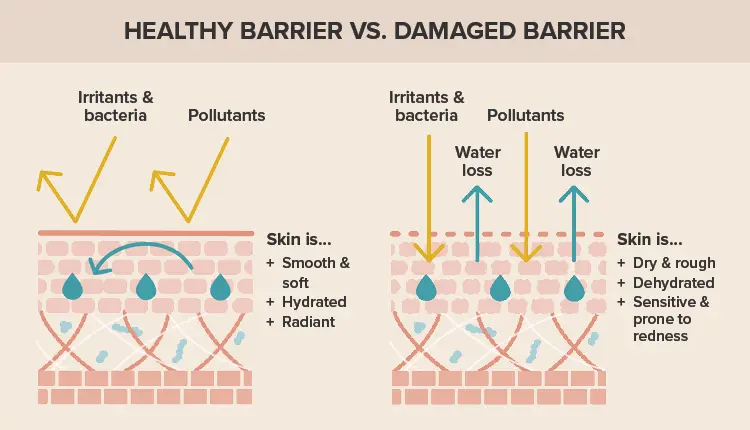
Brightening products target melanin production or distribution. Common approaches include tyrosinase inhibition, exfoliation, and accelerated cell turnover. While these methods can reduce visible pigment temporarily, they often ignore the state of the skin barrier.
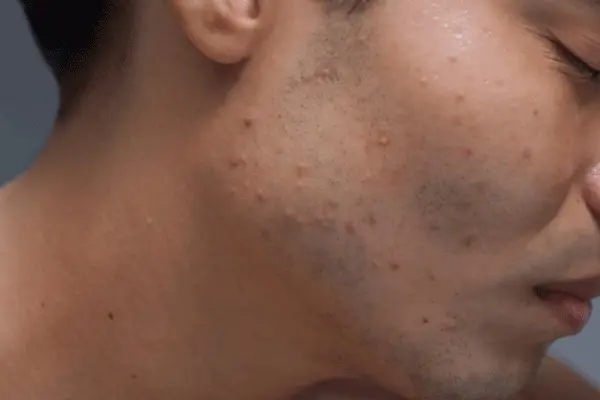
Aggressive brightening routines thin the stratum corneum, increase transepidermal water loss, and heighten photosensitivity. This creates a paradox: pigment may initially fade, but the skin becomes more reactive and inflamed, setting the stage for rebound hyperpigmentation.
A 2023 review in Clinical, Cosmetic and Investigational Dermatology noted that repeated use of strong depigmenting agents increases barrier dysfunction and is associated with higher relapse rates in pigmentation disorders.
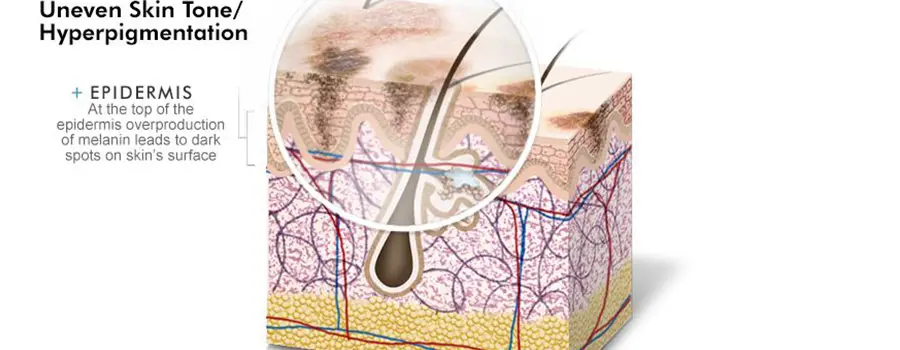
According to Dr. Faiza Shams, “When brightening causes burning or stinging, that is not progress. It is a sign that the barrier is being damaged—and damaged barriers do not hold pigment improvements.”
Barrier Damage Is a Direct Trigger for Hyperpigmentation
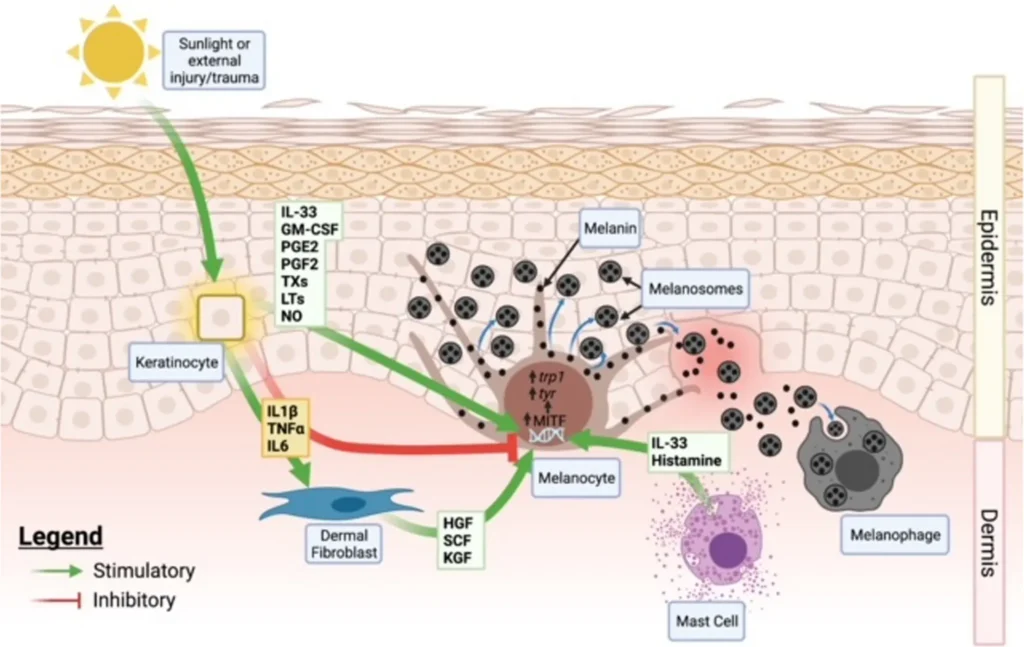
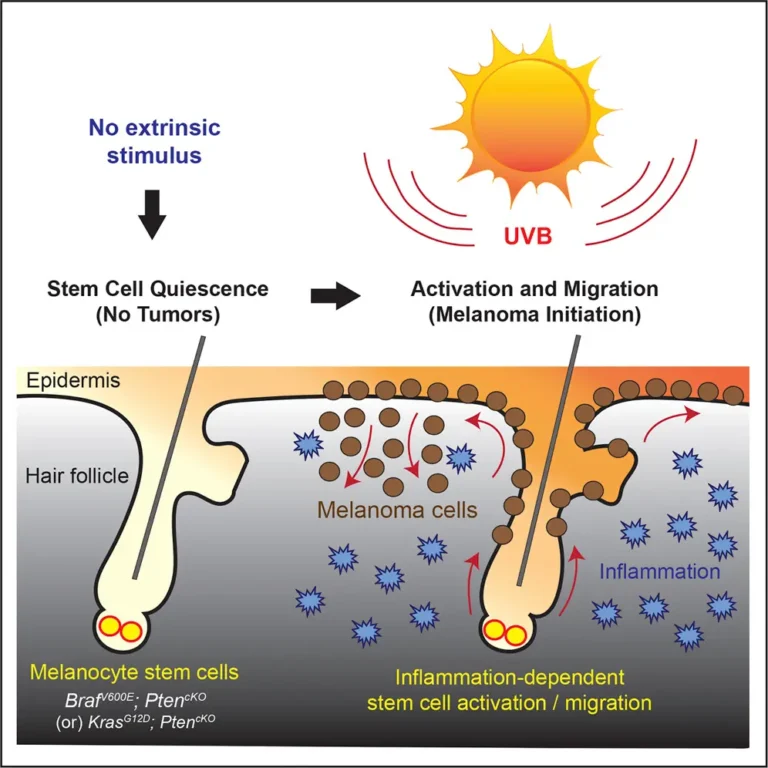
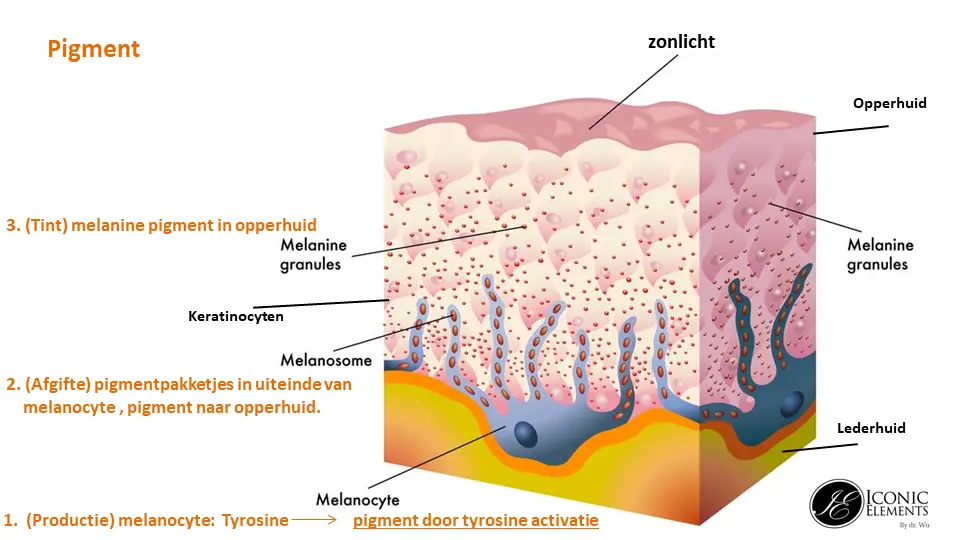
Barrier disruption exposes nerve endings, increases cytokine release, and allows deeper penetration of environmental aggressors. This leads to low-grade inflammation, one of the strongest drivers of pigmentation.
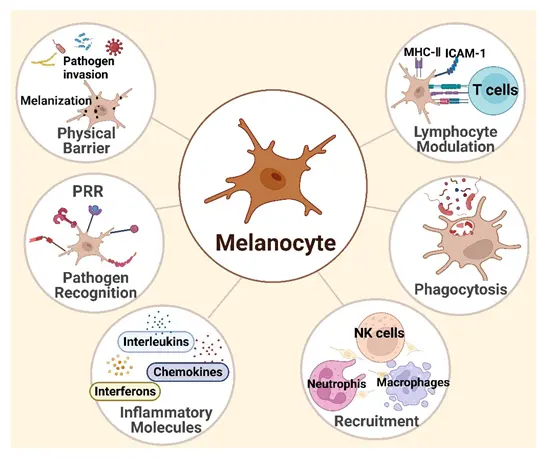
Inflammation stimulates melanocytes through mediators such as prostaglandins, interleukins, and mast cell activation. In this environment, melanocytes remain active even without sun exposure.
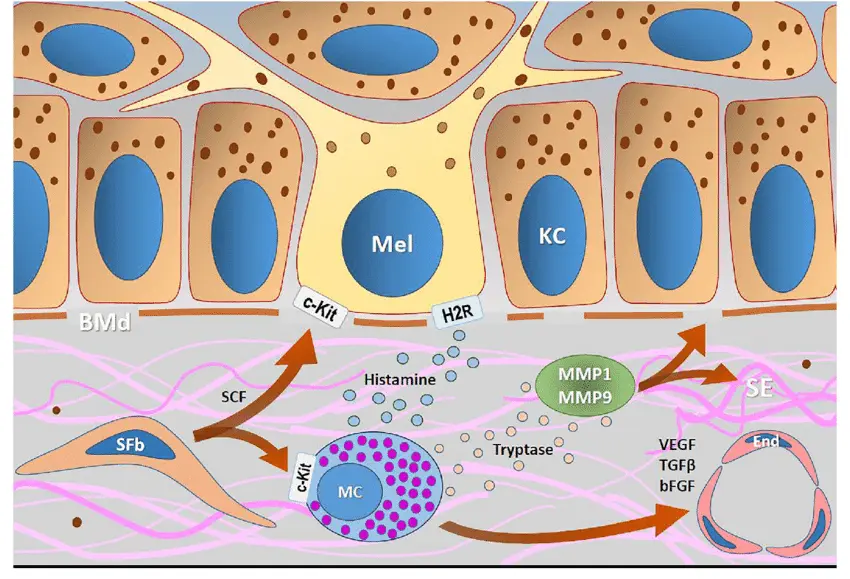
This explains why pigmentation often worsens after:
- Over-exfoliation
- Chemical peels without proper recovery
- Harsh acne treatments
- Inconsistent moisturization
Why Barrier Repair Calms Melanocytes
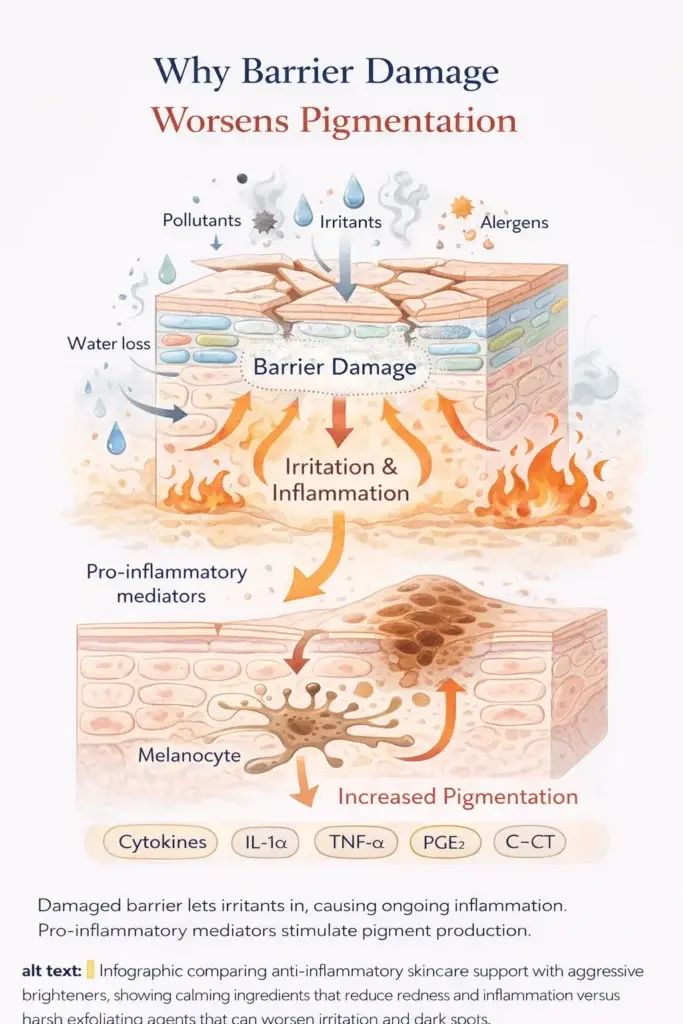
Barrier-repair skincare works upstream. By restoring lipid balance and reducing inflammation, it removes the signals that push melanocytes into overproduction.
A 2024 study in Experimental Dermatology demonstrated that restoring barrier lipids significantly reduced melanocyte hyper-responsiveness in inflamed skin models, even without direct pigment inhibitors.
Dr. Faiza Shams explains, “Melanocytes are protective cells. When the barrier feels unsafe, pigment increases. When the barrier is stable, melanocytes naturally downregulate.”
The Link Between Barrier Dysfunction and Pigmentation Relapse
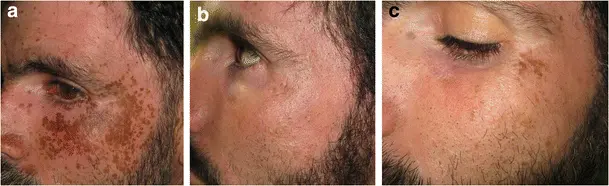
Many patients experience pigmentation that improves briefly, then returns darker. This cycle is often attributed to treatment resistance, but the real issue is incomplete recovery of the skin barrier.
Learn more about pigmentation relapse.
Without barrier repair:
- Inflammation persists
- Photosensitivity increases
- Pigment pathways remain primed
A 2025 longitudinal study published in Journal of Dermatological Science found that patients who followed barrier-focused regimens had significantly lower recurrence of facial hyperpigmentation compared to those using pigment suppressors alone.
Why Sensitive and Pigmentation-Prone Skin Needs Barrier-First Care
Skin that is prone to pigmentation is often simultaneously sensitive. Burning, tingling, or redness are not separate problems—they are signs of barrier instability.
In such skin types, brightening ingredients penetrate too deeply, triggering irritation and inflammation. Barrier-repair skincare increases tolerance, allowing any future active treatments to work more predictably.
This is especially important in brown and Asian skin tones, where melanocytes respond more aggressively to inflammation and heal more slowly.
Key Barrier-Repair Ingredients That Support Pigmentation Control
Barrier-repair skincare focuses on restoring the lipid matrix and calming inflammation rather than stripping pigment.
Effective categories include:
- Ceramides: Replenish depleted barrier lipids and reduce water loss
- Cholesterol and fatty acids: Restore lipid balance
- Humectants: Improve hydration without irritation
- Anti-inflammatory agents: Reduce cytokine-driven melanocyte activation
A 2024 formulation review in Dermatologic Therapy showed that low-irritation barrier formulations improved pigmentation outcomes more sustainably than aggressive depigmenting routines.
When to Introduce Brightening—After Barrier Repair
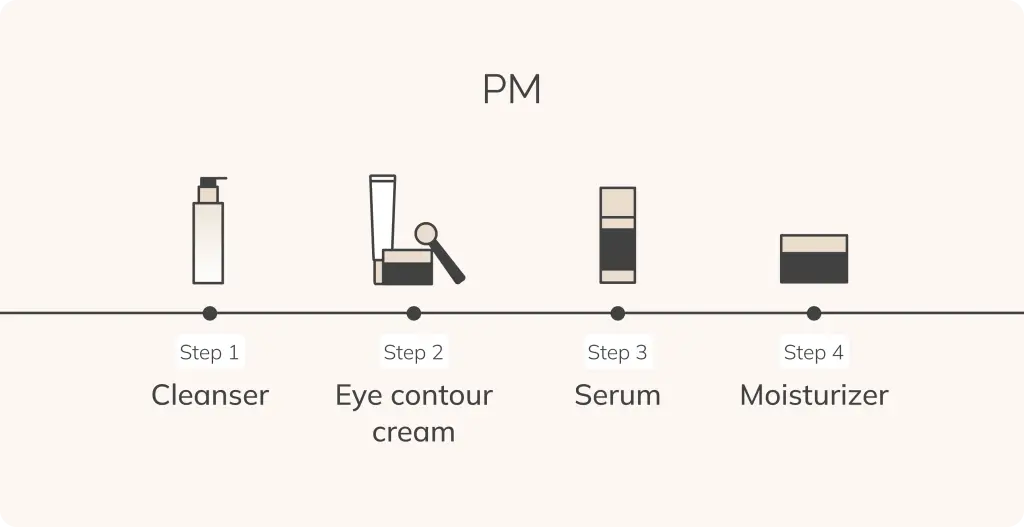
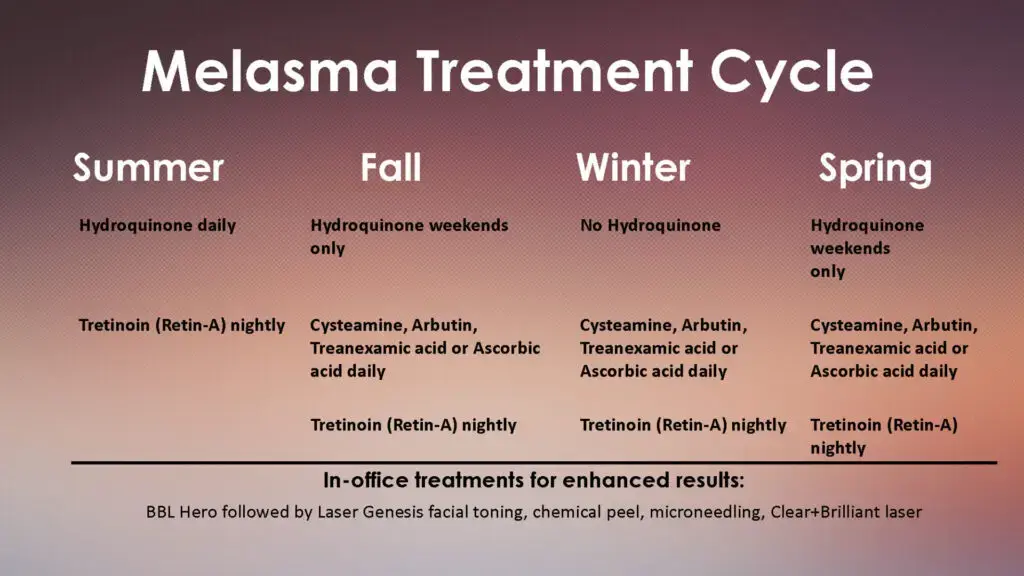
Barrier repair does not mean abandoning brightening forever. It means sequencing treatment correctly.
Once the barrier is stable:
- Skin tolerates actives better
- Inflammation is reduced
- Pigment pathways are less reactive
At this stage, gentle brightening can be introduced cautiously and strategically, without triggering relapse.
Why Barrier-First Skincare Leads to Long-Term Results
Barrier-focused routines prioritize skin resilience over speed. While results may appear slower initially, they are more stable and predictable.
Patients who repair the barrier often notice:
- Fewer flare-ups
- Reduced sensitivity
- Gradual, consistent fading of dark spots
This approach aligns with how skin heals biologically, rather than forcing change through irritation.
Final Thoughts: Repair Before You Lighten
Dark spots are not simply pigment deposits—they are signals of stressed skin. Brightening without repair addresses the symptom, not the cause.
Barrier-repair skincare works better for dark spots because it restores balance, reduces inflammation, and allows melanocytes to return to normal behavior.
As Dr. Faiza Shams summarizes, “Pigmentation improves when the skin feels safe. Barrier repair is how we create that safety.”
FAQS
Why do brightening creams make my dark spots worse?
Brightening creams can damage the skin barrier, increasing inflammation and triggering rebound pigmentation, especially in sensitive skin.
How long does barrier repair take to improve pigmentation?
Barrier repair usually takes several weeks, but it creates a stable foundation for gradual and long-lasting pigment improvement.
Can I use brightening ingredients with barrier-repair skincare?
Yes, but only after the barrier is stable. Gentle actives introduced slowly work better and cause fewer relapses.
Address: Block C, Punjab University Employees Housing Scheme Phase-II, Lahore, Pakistan
Contact Number: +923224563810