Melanocyte Memory: The Hidden Reason Pigmentation Returns Even After Successful Treatment
Why treating surface pigment is never enough in brown skin
Table of Contents
Introduction
Many patients believe pigmentation returns because a treatment “didn’t work.” In reality, most pigmentation therapies do fade visible darkness — but they rarely address what lies underneath. The real reason pigmentation often relapses is something dermatology doesn’t discuss enough: melanocyte memory.
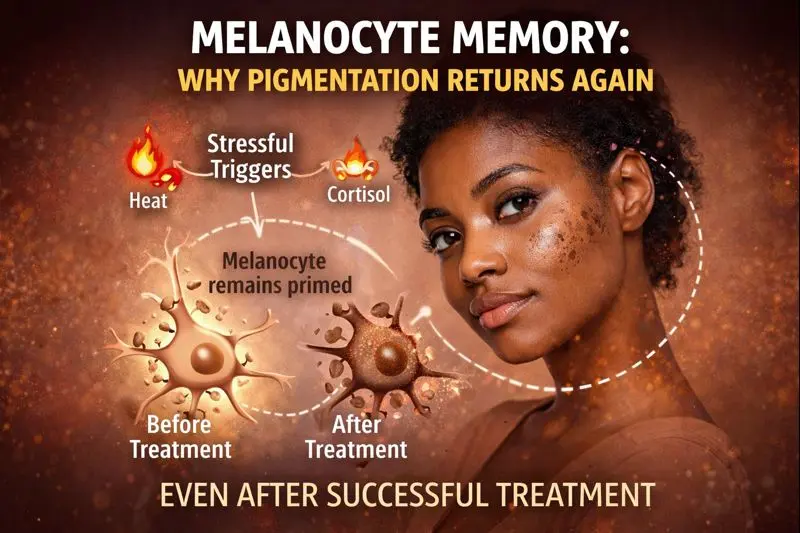
This concept explains why pigmentation can disappear for months, then reappear in the same pattern, location, and intensity — even with sun protection and skincare compliance.
What Is Melanocyte Memory?
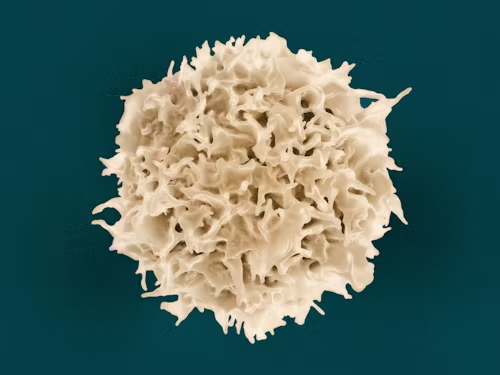
Melanocytes are pigment-producing cells designed to remember stress. Once repeatedly stimulated by triggers like inflammation, heat, hormones, or visible light, they don’t fully return to a resting state.
Instead, they remain primed.
This means:
- They react faster to minimal triggers
- They produce pigment more aggressively
- They activate even when skin appears clinically clear
This cellular “memory” is why pigmentation behaves more like a chronic condition than a cosmetic issue.
Why Pigmentation Reappears in the Same Areas
Pigmentation almost always returns to:
- The same cheeks
- The same forehead patches
- The same jawline shadows
This isn’t coincidence.
Melanocytes in these zones have:
- Higher receptor sensitivity
- Repeated exposure to heat and friction
- Previous inflammatory signaling
Over time, these cells develop a lower activation threshold, meaning even mild stress can restart pigment production.
Why Brightening Products Alone Fail Long-Term
Most pigmentation products focus on:
- Tyrosinase inhibition
- Melanin transfer reduction
- Surface exfoliation
While these help fade pigment, they do not reset melanocyte behavior.
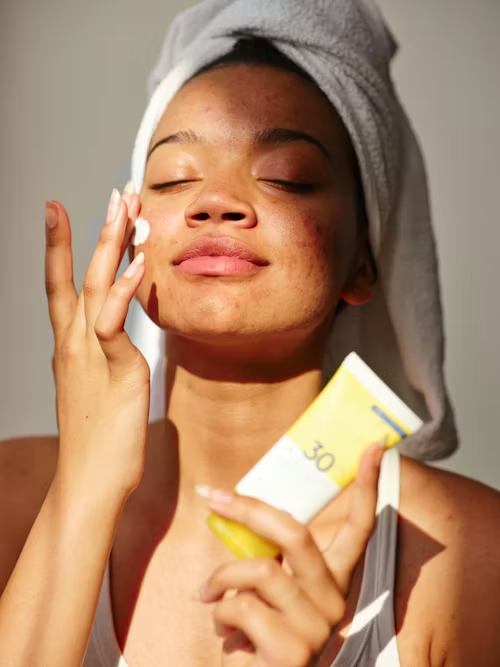
Once treatment stops, the melanocytes resume activity — not because the product failed, but because the underlying cellular programming was never addressed.
The Role of Inflammation in Pigment Memory
Repeated low-grade inflammation strengthens melanocyte memory.
Sources include:
- Over-exfoliation
- Aggressive treatments
- Heat exposure
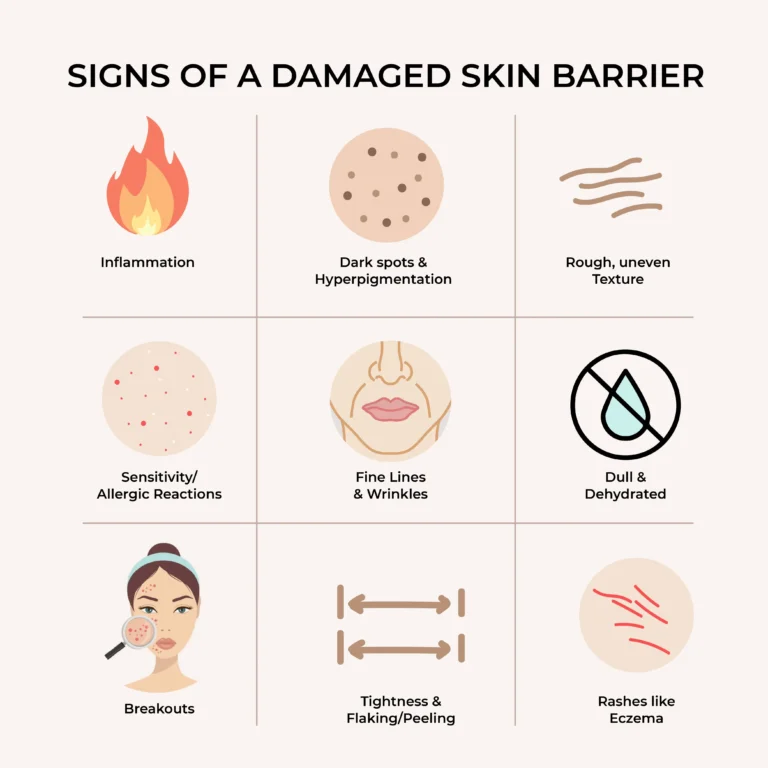
- Barrier damage
Inflammation sends chemical signals that “train” melanocytes to respond faster and darker in the future — even after the skin heals.
Why Heat Is a Silent Reactivator
Heat doesn’t just darken existing pigment — it reawakens melanocytes.
Even without sun exposure:
- Cooking heat
- Hot environments
- Frequent sweating
can stimulate pigment cells directly, reinforcing their memory and undoing months of progress.
Can Melanocyte Memory Be Reversed?
Melanocyte memory can’t be erased instantly — but it can be retrained.
Effective long-term management requires:
- Consistent anti-inflammatory care
- Barrier repair before actives
- Protection from visible light and heat
- Controlled, slow treatment cycles
The goal isn’t just pigment fading — it’s cellular calming.
Why Pigmentation Management Is Long-Term by Design
Pigmentation isn’t a stain to be removed. It’s a biological response that evolves with time, environment, and skin health.
When treatment focuses on calming melanocytes rather than suppressing them, results become:
- More stable
- More predictable
- Less likely to relapse
Final Thought
If pigmentation keeps returning despite good products and sun protection, the issue isn’t compliance — it’s melanocyte memory.
Understanding this shifts pigmentation care from aggressive correction to strategic long-term control, which is especially crucial for brown and pigmented skin types.
Address: Block C, Punjab University Employees Housing Scheme Phase-II, Lahore, Pakistan
Contact Number: +923224563810