Why Your Skin Looks Dull Even Without Pigmentation
Table of Contents
Introduction: Why Your Skin Looks Dull Even Without Pigmentation
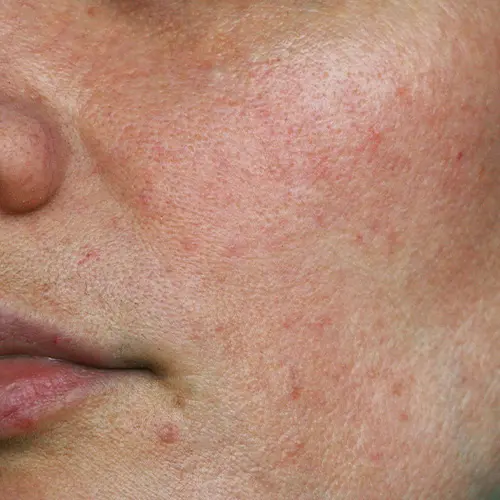
Many people associate uneven skin tone with visible pigmentation—dark spots, melasma, or post-acne marks. But a growing number of patients present with a different concern: their skin looks dull, tired, or grey despite having no obvious pigmentation.
They often hear that they need a brightening serum or exfoliation. They try vitamin C, acids, or polishing treatments. Sometimes the skin looks better briefly, then returns to looking flat, lifeless, or textured.
Dull skin without pigmentation is not a cosmetic mystery. It is usually a sign of barrier dysfunction, photodamage, impaired skin renewal, or low-grade inflammation rather than excess melanin.
Understanding why skin loses radiance—without turning darker—is essential for choosing the right treatment and avoiding unnecessary irritation.
Dullness Is Not the Same as Pigmentation
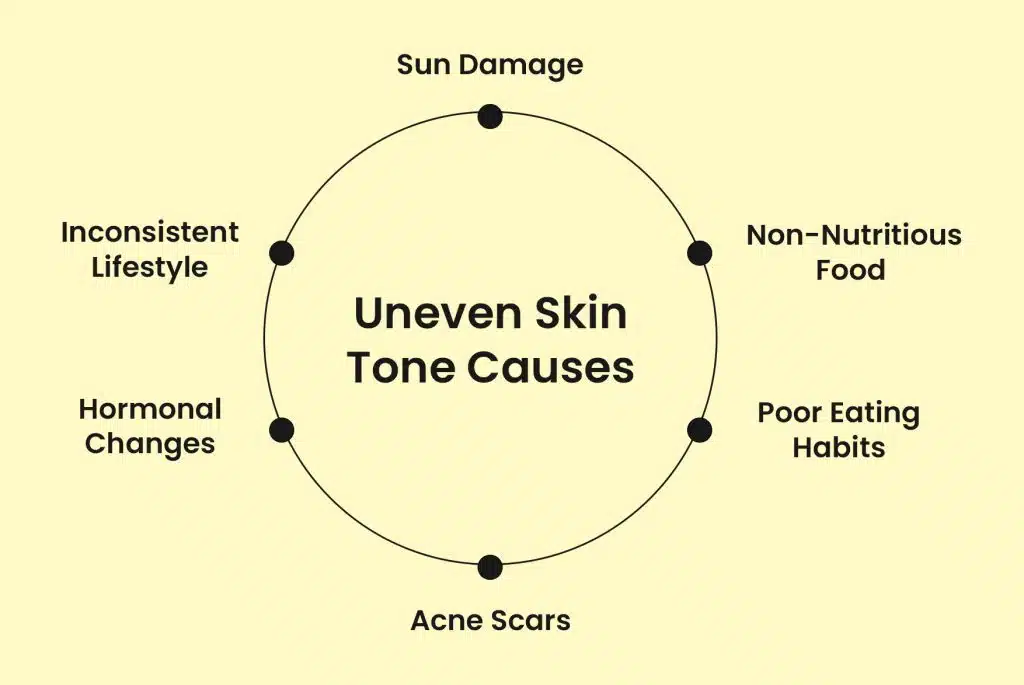
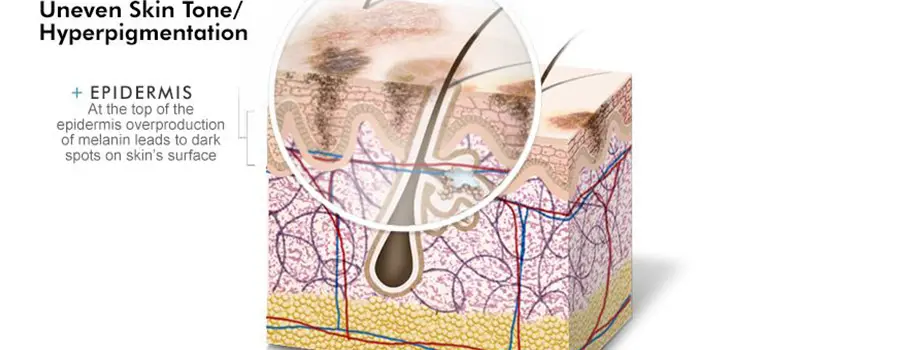
Pigmentation refers to increased or uneven melanin production. Dullness, on the other hand, is a loss of clarity, light reflection, and uniform surface texture.
Skin can look dull even when melanin levels are normal. This happens when light cannot reflect evenly off the skin surface due to:
- Barrier disruption
- Dehydration
- Slowed cell turnover
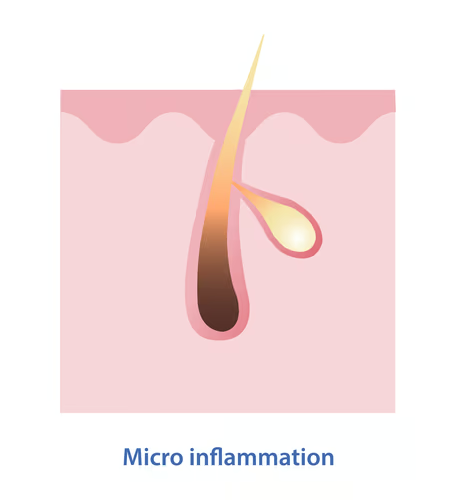
- Micro-inflammation
- Photodamage
Treating dullness as pigmentation often leads to overuse of brightening actives that worsen the underlying problem.
The Skin Barrier’s Role in Natural Glow
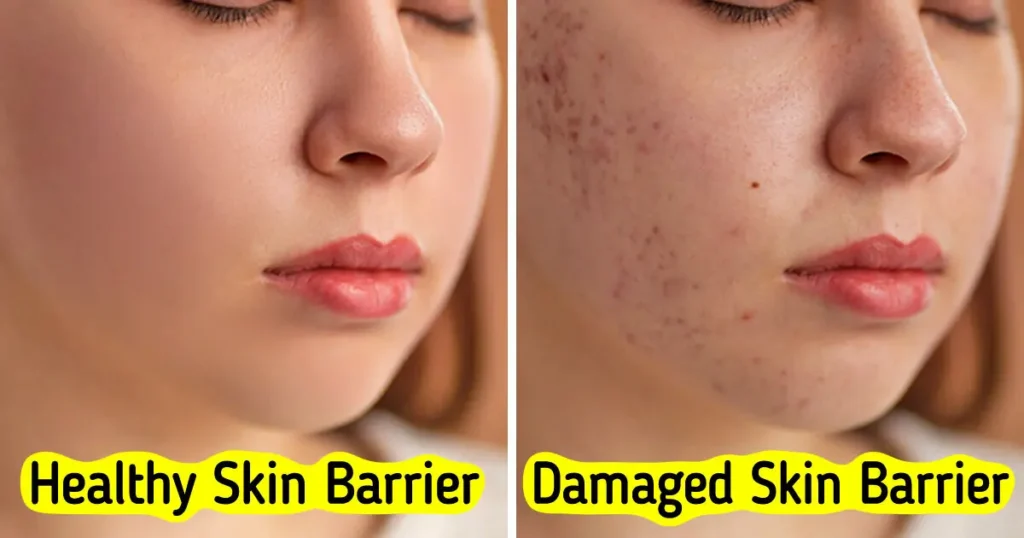
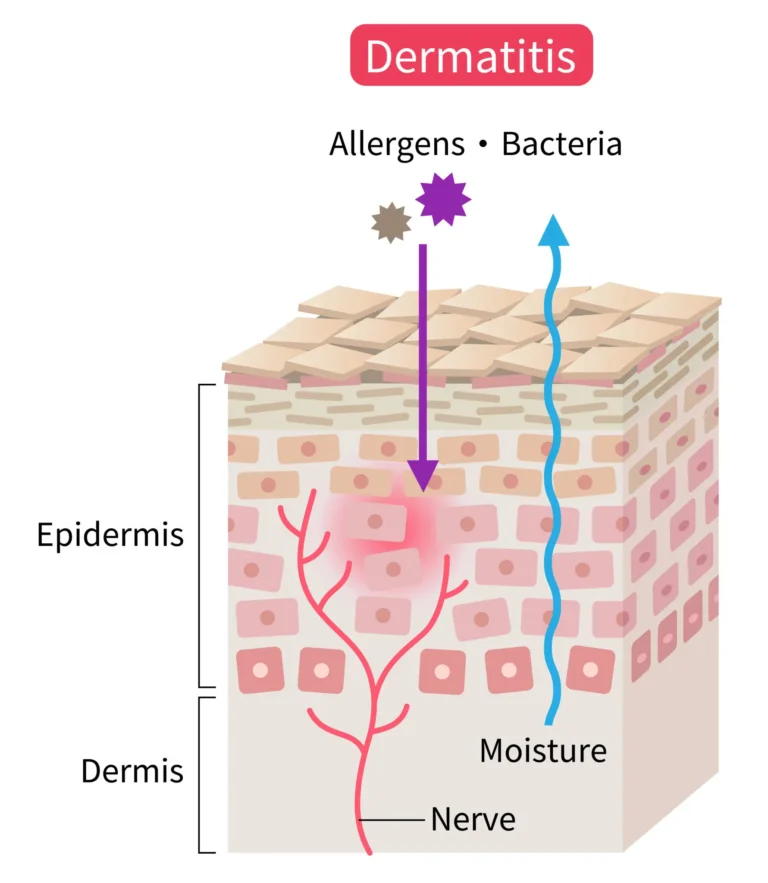
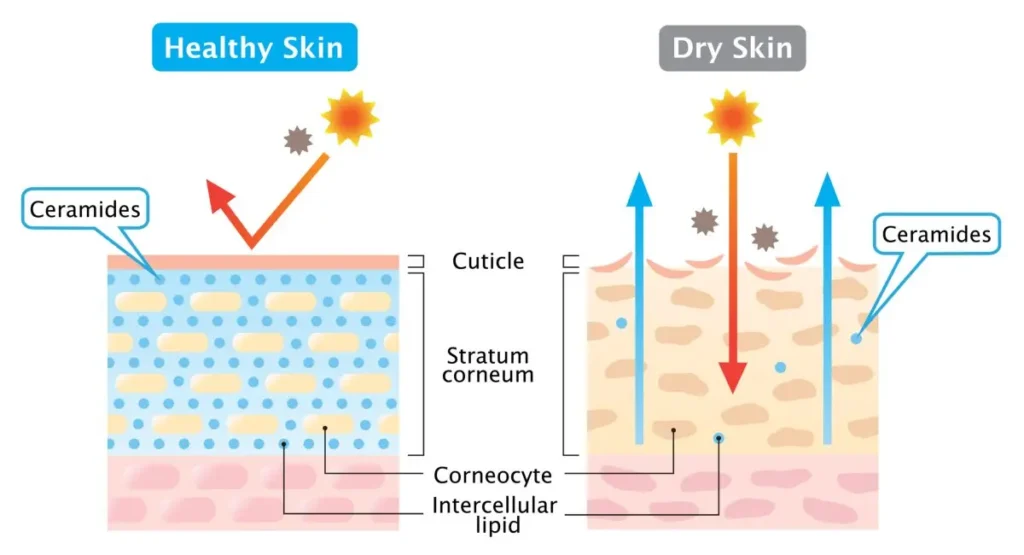
Healthy skin appears radiant because its barrier is intact. The stratum corneum is smooth, hydrated, and well-organized, allowing light to reflect evenly.
When the skin barrier is compromised:
- Water loss increases
- Corneocytes lift unevenly
- The surface becomes rough and opaque
Even without dark spots, this creates a dull, tired appearance.
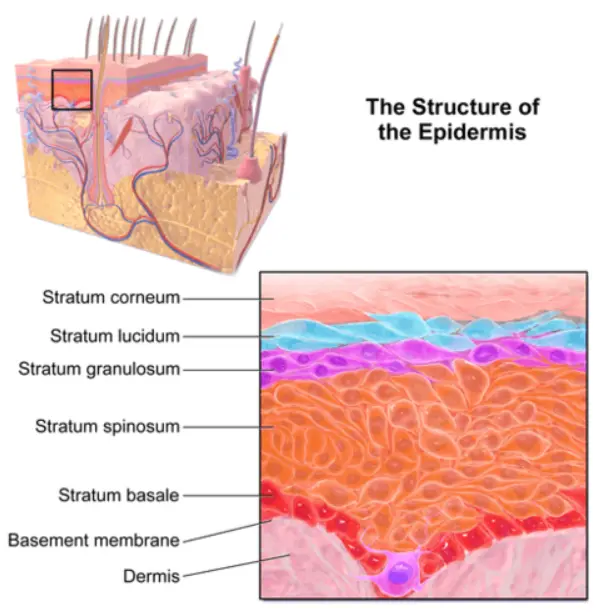
A 2024 review in Clinical, Cosmetic and Investigational Dermatology confirmed that barrier disruption alone can significantly reduce skin luminosity, independent of pigmentation changes.
Dr. Faiza Shams explains: “Glow is a barrier phenomenon. When the barrier is unstable, no amount of brightening can restore radiance.”
Photodamage Can Cause Dullness Without Darkening
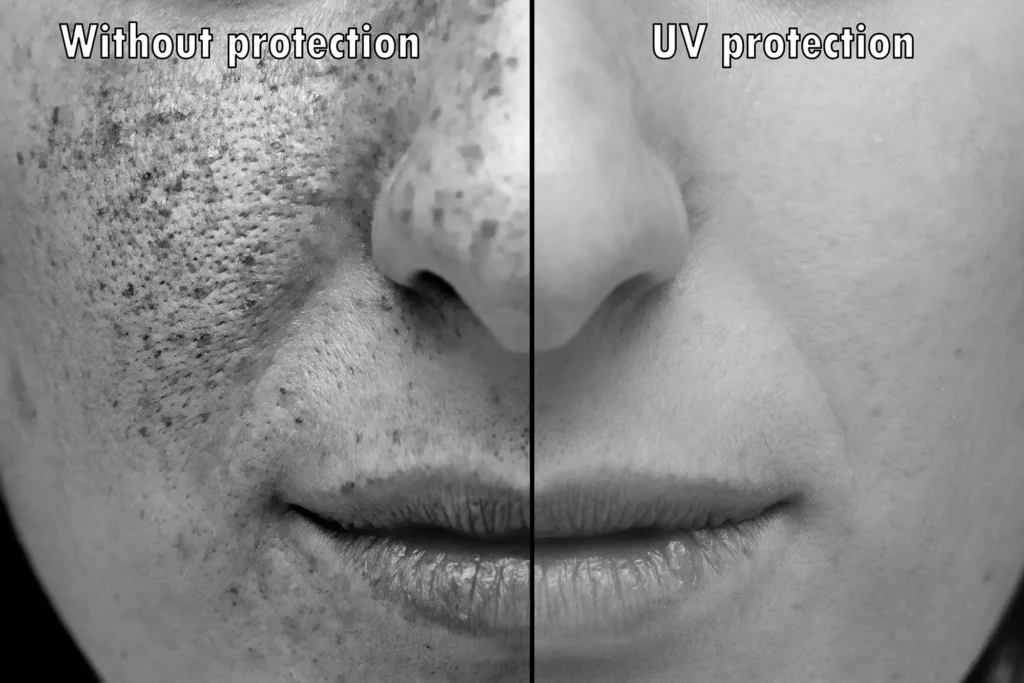
Photodamage is often associated with pigmentation, but it can also present as dullness before any dark spots appear.
Chronic exposure to UV radiation, visible light, heat, and pollution damages collagen fibers, disrupts microcirculation, and increases oxidative stress. In early stages, this damage shows up as:
- Loss of translucency
- Grey or sallow tone
- Uneven texture
A 2023 study in Journal of Investigative Dermatology showed that early photodamage alters skin light scattering properties even in the absence of visible hyperpigmentation.
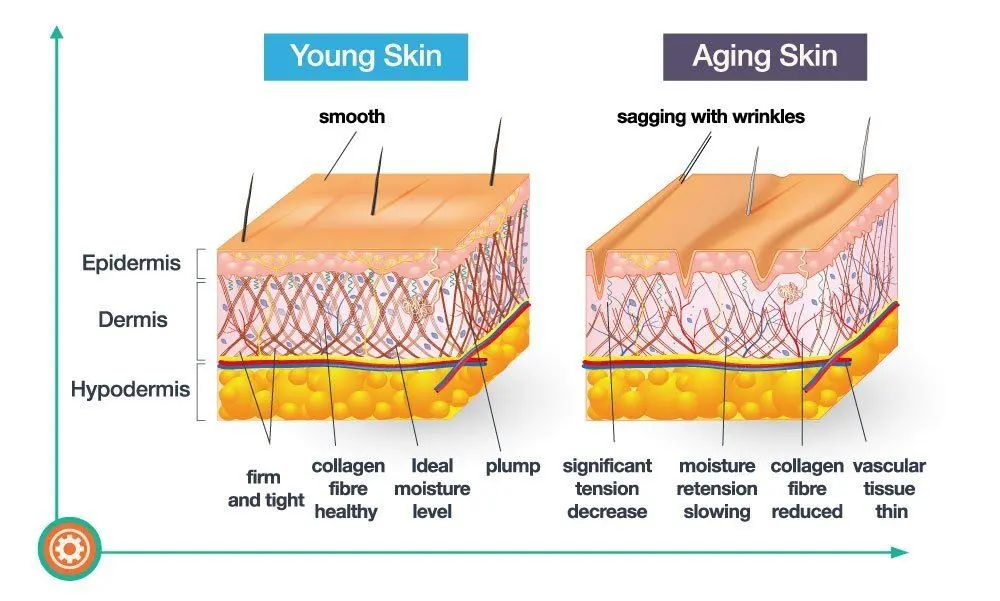
This explains why some people feel their skin looks “older” or “flat” despite having even color.
Dehydration vs True Dryness: A Commonly Missed Cause
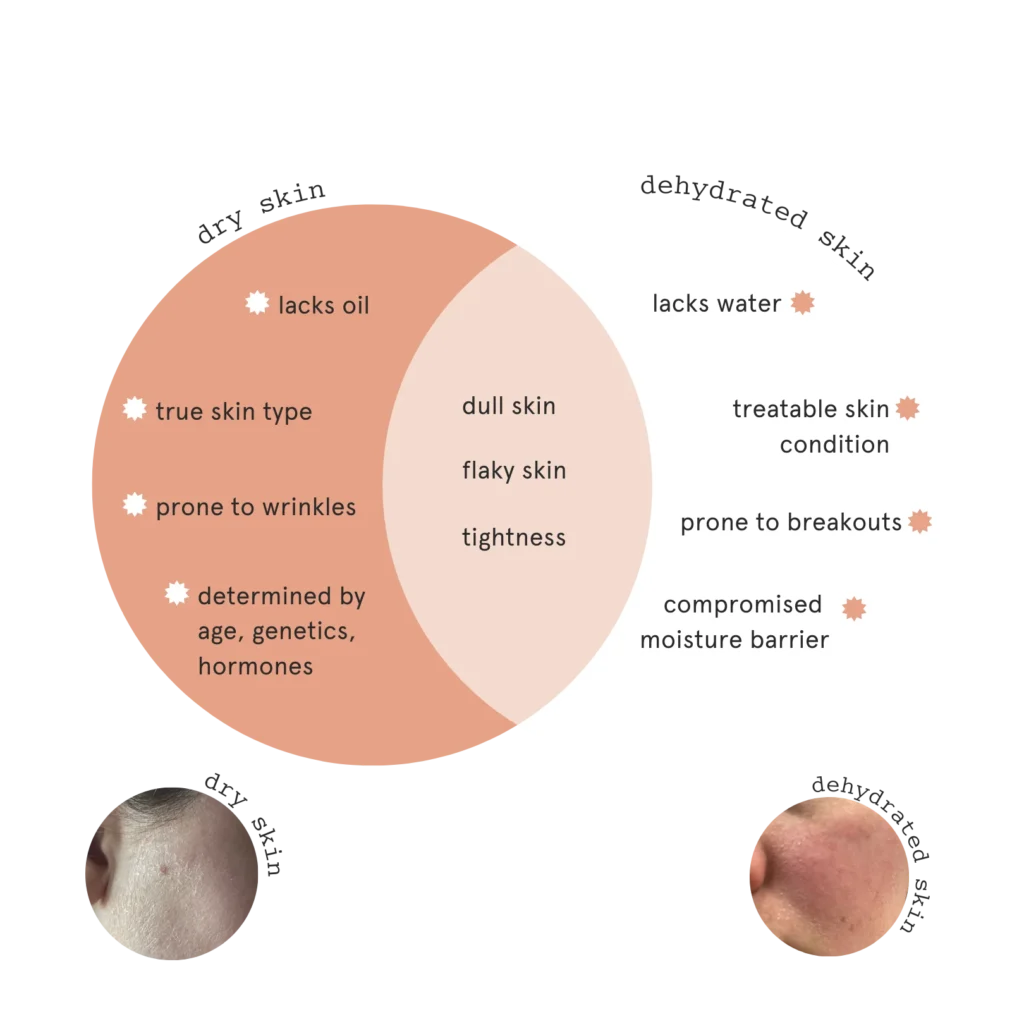
Dull skin is often dehydrated, not dry. Dehydrated skin lacks water, while dry skin lacks oil. The two are frequently confused.
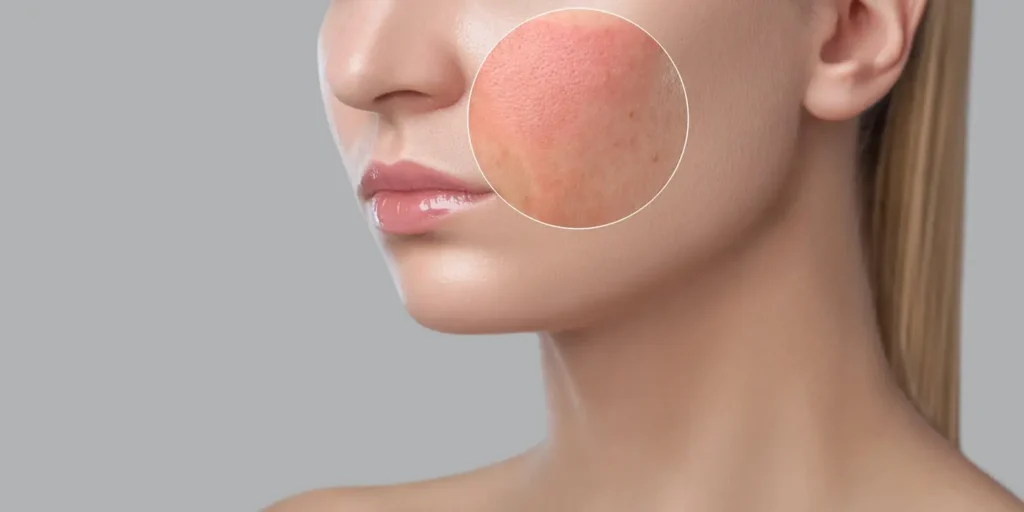
When skin is dehydrated:
- Light reflection decreases
- Fine lines appear more prominent
- Texture becomes uneven
Aggressive exfoliation or alcohol-heavy products worsen dehydration, making skin look duller over time.
Hydration-focused barrier repair often restores brightness more effectively than exfoliation.
Slowed Skin Renewal Makes Skin Look Flat
Skin renewal naturally slows with age, stress, inflammation, and barrier damage. Dead cells accumulate unevenly, preventing light from reflecting smoothly.
Unlike pigmentation, which requires melanin reduction, dullness from slow turnover improves when:
- The barrier is supported
- Inflammation is reduced
- Gentle renewal is encouraged
Forcing turnover with strong acids may worsen dullness by increasing sensitivity and barrier disruption.
Low-Grade Inflammation Dulls Skin From Within
Skin can appear calm on the surface while underlying inflammation persists. This subclinical inflammation affects microcirculation, collagen integrity, and surface organization.
A 2024 review in Experimental Dermatology linked chronic low-grade inflammation to reduced skin brightness and translucency without significant pigment changes.
Dr. Faiza Shams notes: “When skin looks dull but not dark, inflammation—not melanin—is often the silent culprit.”
Why Brightening Products Often Fail for Dull Skin
Brightening products are designed to regulate melanin. When used on skin that is dull due to barrier or inflammatory issues, they often:
- Increase irritation
- Worsen dehydration
- Disrupt the barrier further
This leads to a cycle where skin briefly looks clearer, then progressively duller.
Radiance cannot be forced through pigment suppression when pigment is not the problem.
How to Restore Glow Without Triggering Pigmentation
Improving dull skin requires a barrier-first, inflammation-aware approach:
- Repair the skin barrier to restore smooth light reflection
- Hydrate deeply using humectants and occlusives
- Reduce inflammation rather than stimulating turnover aggressively
- Protect from photodamage even when pigmentation is absent
This approach improves luminosity gradually and sustainably.
Ingredients That Improve Dullness Safely
Effective dullness-focused formulations prioritize:
- Barrier lipids (ceramides, cholesterol)
- Humectants (glycerin, hyaluronic acid)
- Anti-inflammatory agents (panthenol, beta-glucan)
- Antioxidants to reduce oxidative stress
A 2025 formulation study in Dermatologic Therapy found that barrier-repair–focused products improved skin radiance more consistently than exfoliation-based routines.
When Dull Skin Signals a Bigger Issue
Persistent dullness can sometimes indicate:
- Chronic photodamage
- Hormonal imbalance
- Nutritional deficiencies
- Over-treated skin
In these cases, addressing surface skincare alone may not be sufficient.
Final Thoughts: Glow Is a Sign of Skin Stability
Radiant skin is not created by stripping, polishing, or bleaching. It emerges when the skin barrier is intact, inflammation is controlled, and the skin feels biologically safe.
When dullness is treated at its root—rather than mistaken for pigmentation—skin clarity returns naturally and predictably.
As Dr. Faiza Shams summarizes: “Glow is not something you add to the skin. It is what appears when the skin is healthy enough to reflect light properly.”
FAQ
Why does my skin look dull even though I have no dark spots?
Dullness is often caused by barrier damage, dehydration, inflammation, or photodamage rather than excess melanin.
Can exfoliation fix dull skin?
Gentle exfoliation may help, but over-exfoliation often worsens dullness by damaging the skin barrier.
How long does it take to restore skin glow?
With consistent barrier repair and hydration, many people notice improved radiance within 4–8 weeks.
Address: Block C, Punjab University Employees Housing Scheme Phase-II, Lahore, Pakistan
Contact Number: +923224563810