Why Melasma Keeps Coming Back and How to Manage It Long-Term
Table of Contents
- What Makes Melasma Different From Regular Pigmentation
- Why Melasma Keeps Coming Back: The Root Causes
- Hormonal Imbalance and Melasma Recurrence
- UV Exposure and Melasma Flares
- Heat as a Major Trigger for Melasma
- Visible Light and Blue Light Effects on Melasma
- Skin Inflammation and Melasma Worsening
- Genetic Predisposition and Melasma
- Lack of Long-Term Maintenance and Relapse
- How to Prevent Melasma From Coming Back
- Sunscreen and Daily Protection for Melasma
- Reducing Heat Exposure to Control Melasma
- Building a Gentle Skincare Routine for Melasma
- Oral and Professional Treatment Options
- Ingredients and Practices That Worsen Melasma
- How to Manage Melasma Long-Term
- Does Melasma Ever Go Away Completely?
- Science-Backed Insights on Melasma Recurrence
- Final Thoughts
- References
- FAQS
Melasma is one of the most stubborn and frustrating pigmentation conditions. Many people fade their patches with treatment, only to watch them return weeks or months later. This leads to one of the most searched questions in dermatology:
“Why does melasma keep coming back?”
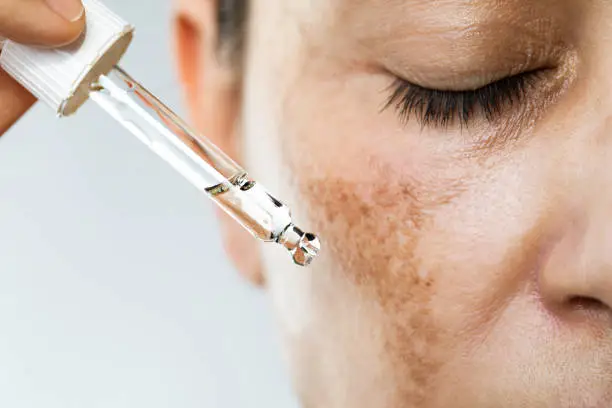
The short answer is that melasma is not a simple dark spot. It’s a chronic, hormone-sensitive, heat-sensitive, UV-sensitive skin condition that behaves differently from typical hyperpigmentation. Even when patches fade, the underlying triggers often remain active.
Earlier we explained melasma vs hyperpigmentation in detail.
If you’ve already read our previous guide on the differences between melasma and hyperpigmentation, this article will take you deeper into the science of melasma recurrence and show you how to manage melasma long-term with research-backed strategies.
Let’s break down why melasma keeps coming back—and what you can realistically do to control it.
What Makes Melasma Different From Regular Pigmentation?
Hyperpigmentation fades when the trigger is removed.
Melasma does not behave this way.
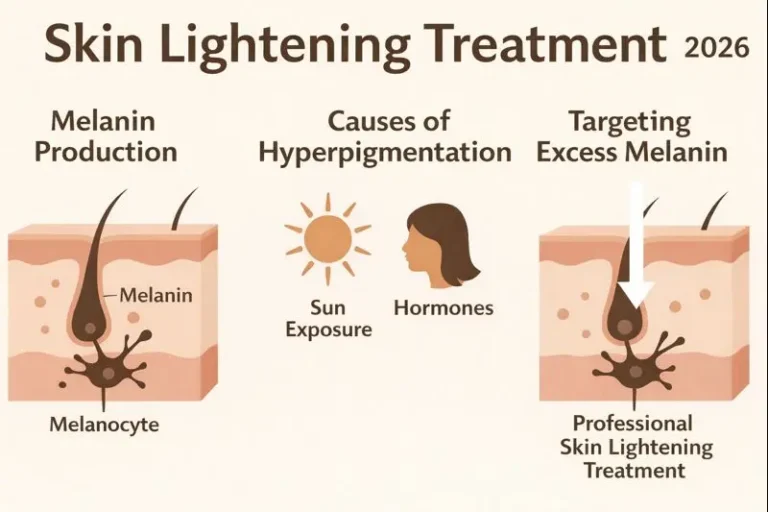
This is because melasma involves three major mechanisms:
- Hormonal sensitivity (estrogen & progesterone influence melanocyte activity)
- Chronic inflammation inside the skin
- Vascular changes that stimulate pigment cells
This combination makes melasma reactive, meaning it responds quickly to environmental triggers—even mild ones.
Most pigmentation concerns stay inactive until something irritates the skin. Melasma stays “ready to activate” all the time.
Why Melasma Keeps Coming Back: The Root Causes
The reason melasma doesn’t stay gone is because its root causes are internal, environmental, and often unpredictable. Here’s what research tells us.
1. Hormonal Imbalance or Sensitivity
This is the biggest reason melasma returns.

Melasma is strongly linked to fluctuations in:
- Estrogen
- Progesterone
- Thyroid hormones
Even small hormonal changes can activate melanocytes.
Melasma is strongly tied to skin discoloration due to hormonal changes. Many people notice melasma worse after stopping the pill because hormone fluctuations reactivate pigment cells.
Common examples:
- Starting or stopping birth control
- Pregnancy or postpartum shifts
- Hormonal IUDs
- Perimenopause
- Thyroid dysfunction
- Stress-induced cortisol spikes
Treating melasma during pregnancy requires extra caution since many melasma creams and serums are not recommended.
This explains why melasma is more common in women and why melasma long-term management must address hormones indirectly—through gentle skincare, sun protection, and reducing triggers—not just bleaching creams.
Studies show that melasma patients often have heightened melanocyte responsiveness, meaning their pigment cells react faster than normal to hormonal signals.
2. UV Exposure — Even Small Amounts
You may wear sunscreen every day, but UV exposure is sneaky.

Melasma flares even from:
- Short sun exposure while driving
- Walking to the car
- Indirect sunlight through windows
- Overcast days
- Reflected UV from surfaces
Melasma patients often assume they are not “in the sun,” but UV is present all day.
Why UV causes melasma recurrence
UV stimulates tyrosinase, the enzyme responsible for melanin production. Melasma skin has overactive melanocytes, so this stimulation causes darkening much faster than in normal skin.
Even after successful melasma treatment, the skin “remembers” how to make excess pigment.
3. Heat Triggers Melasma Flares
One of the most overlooked long-tail queries is:
“Does heat cause melasma?”
Yes—heat alone can trigger melasma even without UV exposure.
Heat expands blood vessels and increases inflammatory signaling. This process activates melanocytes.
Common heat triggers:
- Cooking over a stove
- Hot showers
- Saunas
- Steam facials
- Hot weather
- Exercise in high heat
- Laptop or phone heat on the face
People are often shocked that their melasma returns even when they avoid the sun. Heat is usually the culprit.
Research shows heat-induced melanogenesis plays a major role in melasma flare-ups, especially in darker skin tones that are more reactive.
Melasma is not limited to the face. Some people develop melasma on the chest or even melasma on legs, as shown in many melasma images and clinical photos.
4. Visible Light (Blue Light)
Visible light, especially blue light from:
- Screens
- Indoor lighting
- Sunlight
can darken melasma.
This is another reason sunscreen alone may not fully protect you.
Solution:
Use iron oxide-tinted mineral sunscreens, which block visible light better than chemical formulas.
5. Skin Inflammation
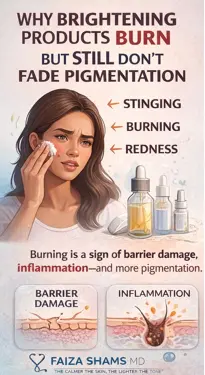
Melasma is not only pigment deep. It has an inflammatory component.

Any irritation can worsen melasma:
- Over-exfoliation
- Harsh peels
- Scrubs
- Fragrance
- Alcohol-based toners
- Strong retinoids used too frequently
Inflammation releases cytokines that activate melanocytes. Even a mild stinging sensation can lead to melasma darkening over time.
This is why melasma treatment must be gentle.
6. Genetic Predisposition
If melasma runs in your family, you’re more likely to see recurrence.
Genes influence:
- Melanocyte activity
- Sensitivity to hormones
- Inflammatory pathways
- Skin thickness
- Baseline melanin levels
Melasma has a strong hereditary link, especially in South Asian, Middle Eastern, and Latin American populations.
7. Not Following Long-Term Maintenance
Melasma is not something you “cure.”
It is something you control.
Many people treat melasma aggressively at first, see fading, and then stop their routine. This almost guarantees recurrence.
Long-term melasma management includes:
- Consistent sun protection
- Continued use of melasma-safe topicals
- Heat avoidance
- Gentle skincare habits
Stopping maintenance allows melanocytes to reactivate quickly.
How to Prevent Melasma From Coming Back
People often search for how to cure melasma from the inside or wonder whether melasma ever fully goes away. Some experience periods where they say ‘my melasma is gone,’ but without maintenance, it often returns.
Now that we understand why melasma keeps coming back, let’s look at how to manage it long-term.
These strategies are based on recent dermatology research and successful clinical protocols.
1. Use Broad-Spectrum Sunscreen Daily
SPF is non-negotiable in melasma care.
What you need:
- SPF 30–50
- Broad-spectrum UVA + UVB protection
- Iron oxide tint for visible light protection
- Water-resistant if outdoors
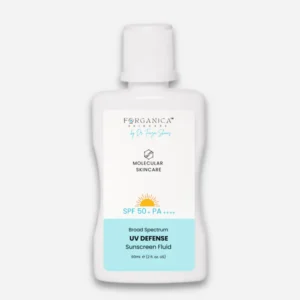
Apply sunscreen every morning and reapply every 2–3 hours.
Without sunscreen, all melasma treatments fail.
2. Reduce Heat Exposure
To prevent melasma recurrence:
- Cook with lower heat
- Avoid hot showers
- Skip steam facials
- Avoid running outdoors in high heat
- Keep face away from direct heating sources
Heat is a major hidden trigger.
3. Build a Gentle, Anti-Inflammatory Skincare Routine
Melasma requires calm skin.
Ideal melasma-friendly ingredients:
- Azelaic acid
- Tranexamic acid
- Niacinamide
- Vitamin C (gentle formulas)
- Cysteamine
- Mandelic acid (mild AHA)
- Retinoids (low strength, used slowly)
These ingredients work by:
- Reducing inflammation
- Regulating melanocyte activity
- Slowing melanin transfer
- Strengthening the skin barrier
Avoid harsh exfoliation, strong acids, or frequent peels.
4. Consider Oral Tranexamic Acid (Under Medical Supervision)
Recent clinical studies show that low-dose oral tranexamic acid can reduce melasma faster than topical treatments alone.
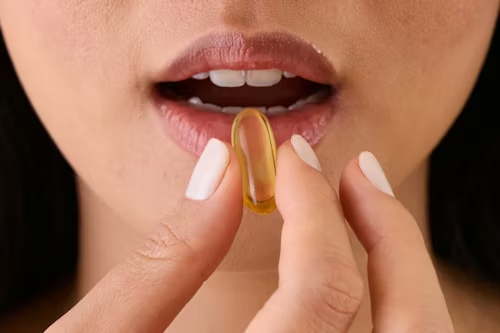
It reduces vascular and inflammatory activity in melasma-prone skin.
This is not suitable for everyone, so medical guidance is essential.
5. Avoid Melasma-Aggravating Ingredients
Stay away from:
- High-strength AHAs
- High-strength retinoids initially
- Scrubs
- Harsh peels
- Physical exfoliants
- DIY lemon or vinegar treatments
These increase inflammation, making melasma worse.
6. Use Retinoids Carefully
Retinoids help melasma by speeding up cell turnover.
But they must be used slowly:
- Start 1–2 nights per week
- Use gentle strengths
- Buffer with moisturizer
- Avoid irritation
Irritation = inflammation = darker melasma.
7. Maintain Treatment Even After Melasma Fades
Once melasma fades, continue a lighter maintenance routine:
- Sunscreen daily
- Niacinamide
- Azelaic acid
- Low-strength retinoid
- Occasional tranexamic acid serum
Stopping everything suddenly leads to relapse.
For mild cases, many people begin with over-the-counter melasma treatment creams or brightening melasma serums. Some try melasma natural treatment options at home, but results vary.
How to Manage Melasma Long-Term
Melasma management is a lifestyle, not a temporary fix.
Here is a long-term plan:
Morning Routine
- Gentle cleanser
- Niacinamide or vitamin C
- Tranexamic acid (optional)
- Tinted mineral sunscreen SPF 50
Evening Routine
- Gentle cleanser
- Azelaic acid or cysteamine
- Retinoid (2–3 nights per week)
- Moisturizer
Weekly Routine
- Mandelic acid exfoliation once per week
Lifestyle Adjustments
- Avoid heat exposure
- Keep hormones stable (work with a doctor if needed)
- Use hats outdoors
- Reduce blue light exposure
This long-term routine reduces melasma activity and prevents flare-ups.
Does Melasma Ever Go Away Completely?
Melasma can fade significantly.
It can become unnoticeable.
But it rarely disappears permanently.
The goal is control, not a cure.
When managed well, melasma can remain stable for years.
When ignored, it returns quickly.
Science-Backed Insights on Melasma Recurrence
Recent research offers deeper clarity:
1. Heat-induced melanogenesis is real.
Studies show heat alone stimulates melanocytes even without UV.
2. Melasma has vascular involvement.
Blood vessels release signals that increase pigment production.
3. Melasma is an inflammatory condition.
Anti-inflammatory skincare reduces flare-ups.
4. Visible light affects deeper skin tones more strongly.
Tinted sunscreen offers superior protection for melasma-prone skin.
5. Hormonal fluctuation is a major trigger.
Even minor changes influence pigment pathways.
These findings match real-world melasma behavior and help shape effective treatment plans.
Final Thoughts
Melasma keeps coming back because it is a reactive, chronic condition influenced by hormones, heat, UV exposure, visible light, and inflammation. You cannot control melasma with short-term solutions, but you can control it long term with consistent habits, smart skincare, and awareness of triggers.
Your melasma does not define your skin.
You simply need the right tools—and patience—to manage it.
References
- Passeron T. et al. “Melasma: Pathogenesis and Clinical Management.” Journal of the European Academy of Dermatology, 2022–2023.
- Rodrigues M. et al., “Heat-Induced Melanogenesis in Melasma.” Dermatology Research and Practice, 2021–2023.
- Hexsel D. et al., “Hormonal and Vascular Components in Melasma.” Journal of Cosmetic Dermatology, 2022–2024.
FAQS
1. Why does melasma keep coming back even after treatment?
Melasma keeps coming back because it is driven by hormones, heat, UV exposure, and chronic inflammation. Even when dark patches fade, melanocytes remain overactive. Without long-term maintenance, melasma flare-ups are common.
2. Does melasma ever go away completely?
Melasma can fade significantly and sometimes become almost invisible, but it rarely goes away permanently. Most people need ongoing melasma management with sunscreen, gentle skincare, and trigger avoidance to keep it under control.
3. How can I prevent melasma from coming back long term?
To prevent melasma from coming back, use broad-spectrum sunscreen daily, avoid heat exposure, control skin inflammation, and continue maintenance treatments even after melasma fades. Consistency is more important than aggressive treatments.
4. How to cure melasma from the inside — is it possible?
There is no proven way to cure melasma from the inside permanently. However, managing hormonal balance, reducing inflammation, minimizing heat exposure, and in some cases using oral tranexamic acid under medical supervision can support long-term melasma control.
5. Why does melasma get worse after stopping birth control pills?
Many people notice melasma worse after stopping the pill because sudden hormonal shifts reactivate melanocytes. This hormonal imbalance is a well-known trigger for melasma recurrence, especially in women with a genetic predisposition.
Address: Block C, Punjab University Employees Housing Scheme Phase-II, Lahore, Pakistan
Contact Number: +923224563810