Why Pigmentation Improves Slowly Even With the Right Treatment
Table of Contents
Introduction: The Most Frustrating Part of Treating Pigmentation
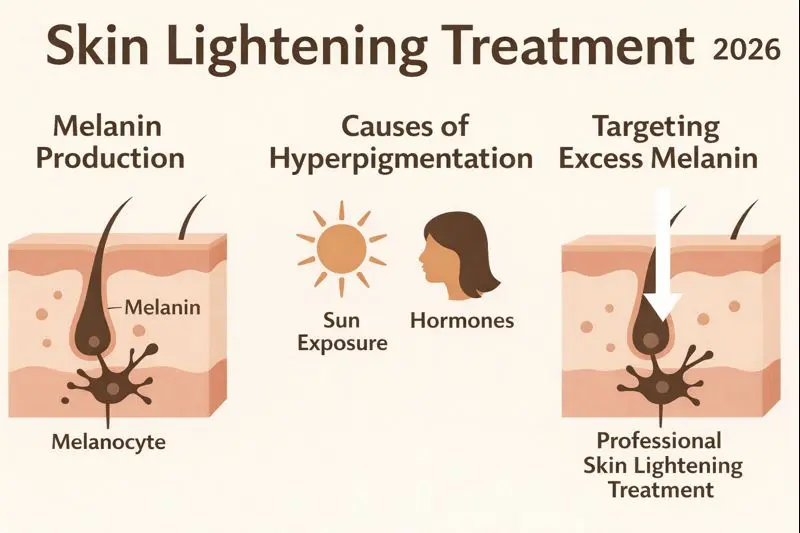
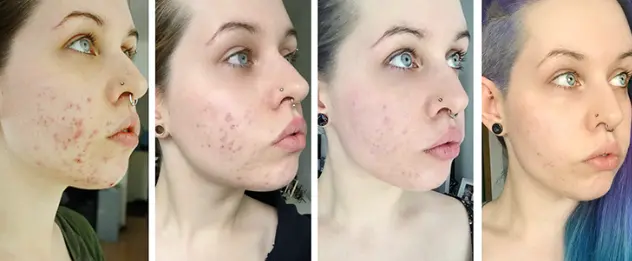
One of the most common questions patients ask is not how to treat pigmentation—but why it is taking so long to improve, even when they are doing everything correctly. They are using sunscreen, following a dermatologist-recommended routine, and avoiding obvious triggers. Yet weeks pass, sometimes months, with only subtle changes.
This slow progress often leads to treatment hopping, overuse of actives, or abandoning care altogether. Unfortunately, these reactions usually make pigmentation worse, not better.
Pigmentation does not behave like acne or texture issues. It follows a much slower biological timeline. Understanding why pigmentation improves slowly is essential for setting realistic expectations and achieving long-term results.
Pigmentation Is a Biological Response, Not a Surface Stain
Recent dermatology literature supports that hyperpigmentation is a regulated biological response rather than superficial discoloration. A 2024 review in the Journal of Clinical and Aesthetic Dermatology highlighted that melanocyte activation persists long after the initial trigger has resolved, explaining delayed improvement timelines.
Dr. Faiza Shams notes: “Pigmentation behaves like a memory of past skin stress. Even when the trigger is gone, melanocytes take time to unlearn that response.”
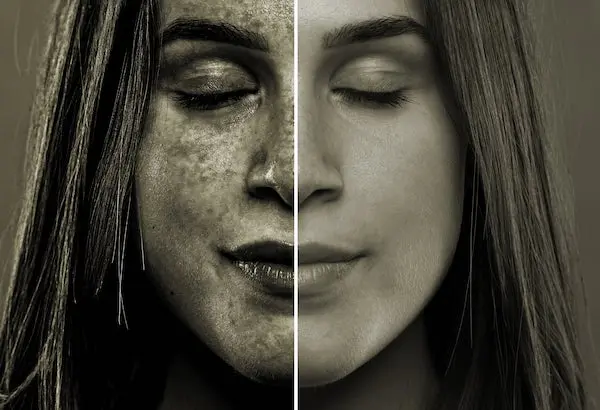
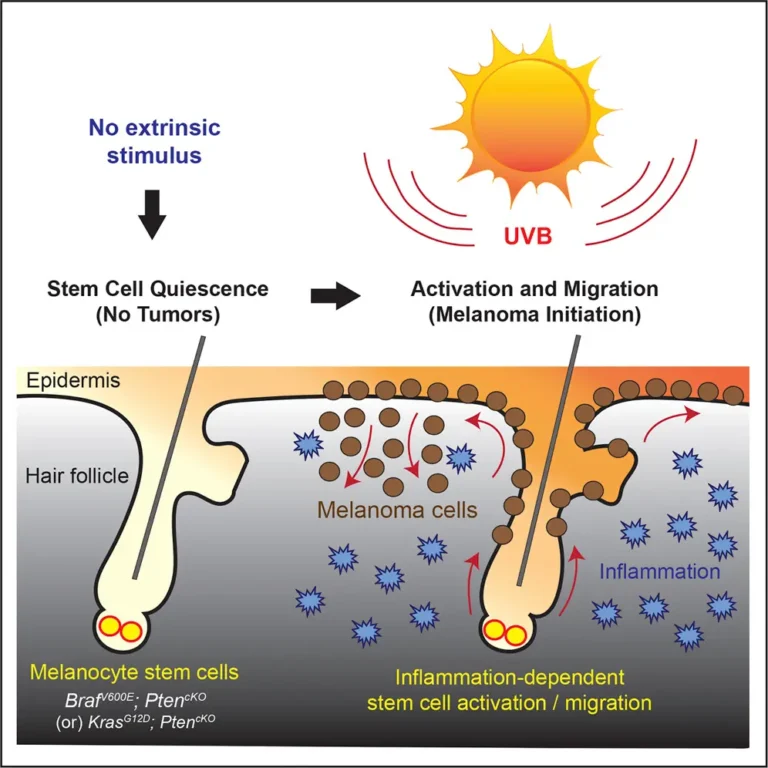
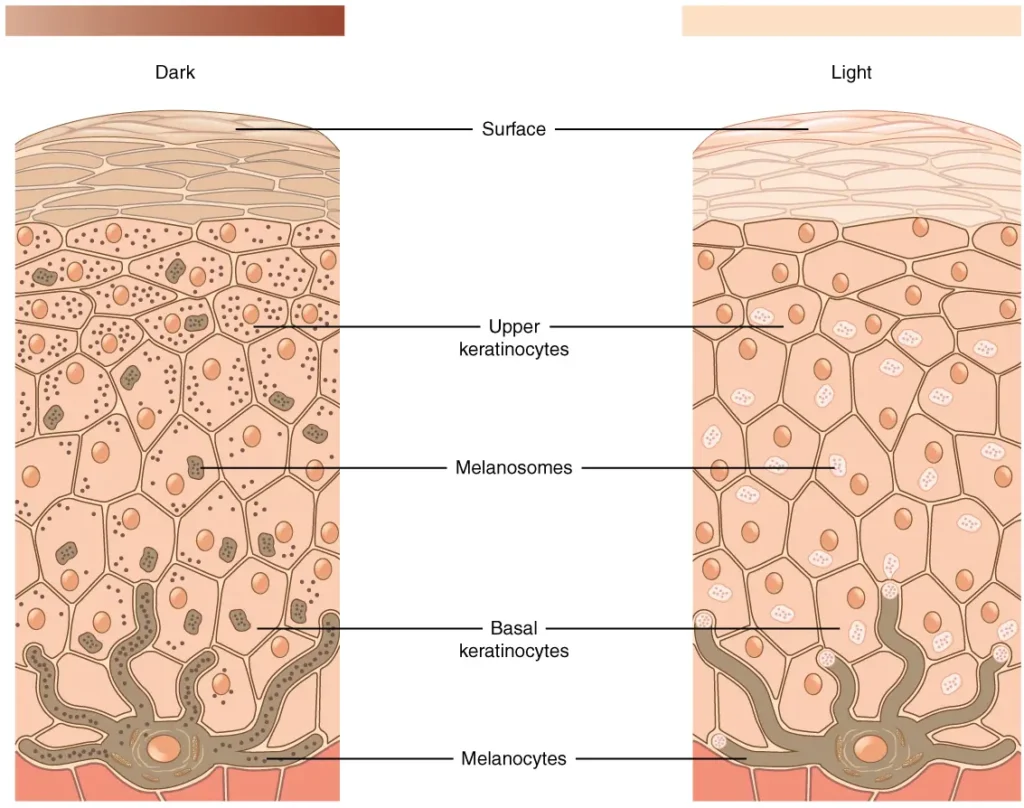
Hyperpigmentation is not simply pigment sitting on top of the skin. It is the result of melanocytes responding to repeated stress, such as UV exposure, inflammation, heat, hormones, or barrier damage.
Once melanocytes are activated, they do not switch off immediately when treatment begins. Even after the trigger is removed, pigment production and distribution continue for some time.
This is why pigmentation improvement is gradual rather than dramatic.
The Skin’s Renewal Cycle Limits How Fast Pigment Can Fade
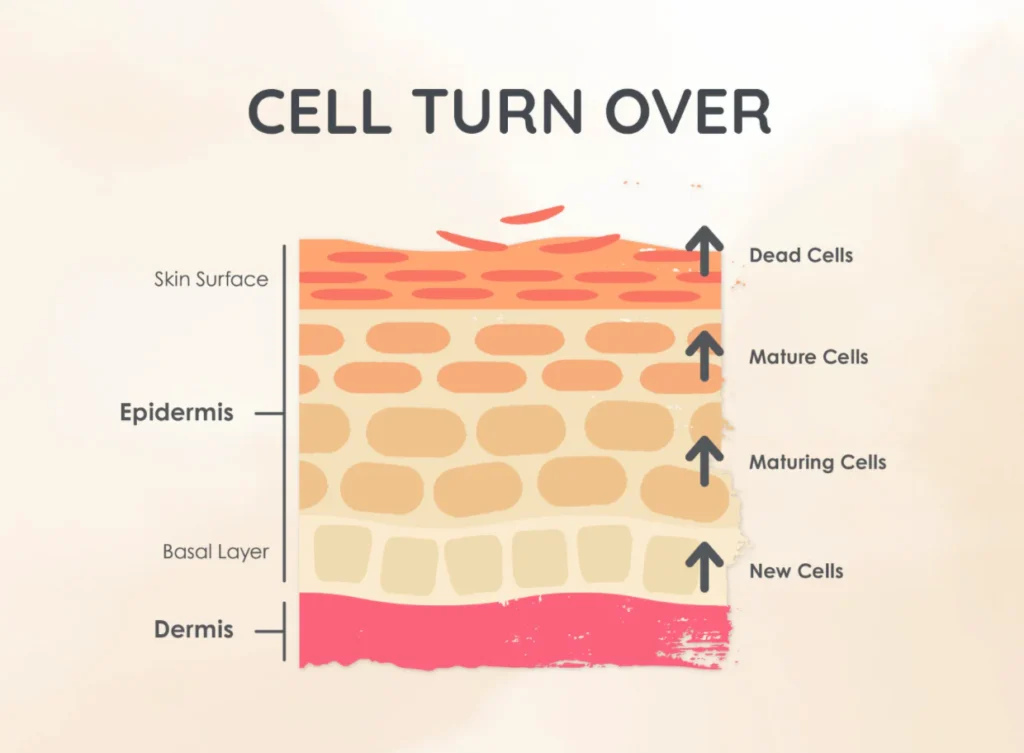
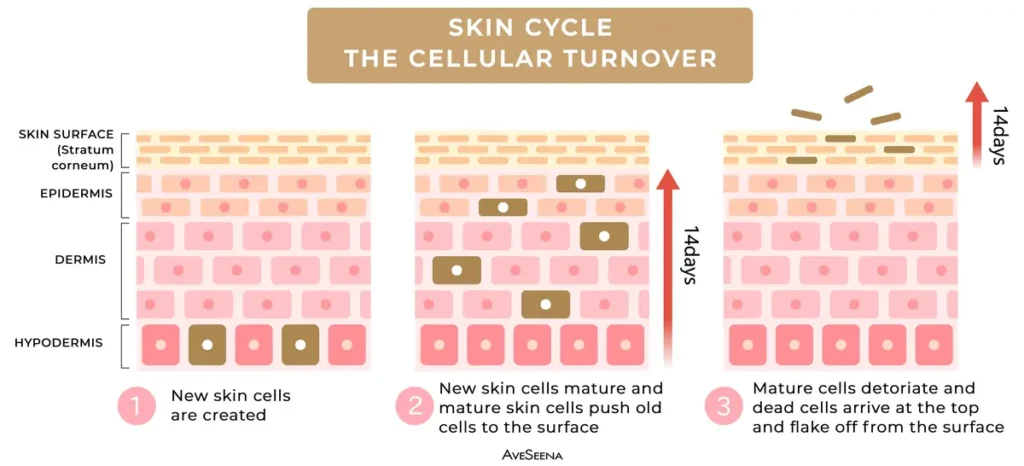
Skin renews itself roughly every 28–40 days in healthy adults, and this process slows further with age, sun damage, and barrier dysfunction.
Pigment located in deeper epidermal layers must migrate upward through multiple renewal cycles before it can fade visibly. No topical treatment can safely override this natural pace.
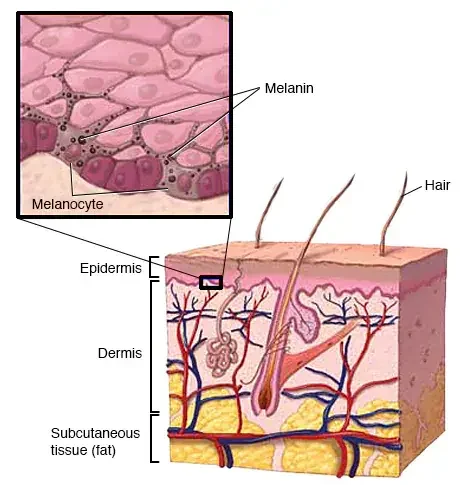
Trying to force faster turnover with strong acids or peels often disrupts the barrier and triggers rebound pigmentation.
Inflammation Keeps Pigment Pathways Active Longer Than Expected
Low-grade, subclinical inflammation has been identified as a key factor in prolonged hyperpigmentation. A 2023 paper in Experimental Dermatology showed that inflammatory cytokines can maintain melanocyte activity even in clinically calm skin.
According to Dr. Faiza Shams: “When pigmentation is slow to fade, ongoing microscopic inflammation is usually the reason—not lack of treatment strength.”
Even when visible redness settles, subclinical inflammation can persist beneath the surface. This low-grade inflammation continues to signal melanocytes to produce pigment.
In South Asian and Pakistani skin, melanocytes are particularly sensitive to inflammatory signals, which further slows visible improvement.
Unless inflammation is addressed alongside pigment control, progress remains slow and unpredictable.
Melanocyte Memory Explains Delayed and Recurrent Pigmentation
The concept of melanocyte memory has gained strong scientific backing. A 2025 epigenetic study published in Journal of Investigative Dermatology demonstrated lasting gene-expression changes in melanocytes after repeated UV and inflammatory exposure.
Dr. Faiza Shams explains: “Melanocyte memory is why pigmentation improves gradually and why stopping treatment too early often leads to relapse.”
Repeated episodes of pigmentation lead to a phenomenon known as melanocyte memory, where pigment-producing cells become primed to respond more aggressively to future triggers.
This means that even with correct treatment, melanocytes may continue producing pigment out of habit before gradually calming down.
Melanocyte memory is one of the strongest reasons pigmentation improves slowly—and why relapse is common when treatment is stopped too early.
Barrier Damage Extends the Healing Timeline
Barrier integrity plays a central role in pigment recovery. A 2024 clinical review in Clinical, Cosmetic and Investigational Dermatology found that patients using barrier-repair–focused regimens experienced faster stabilization and fewer pigmentation flares.
Dr. Faiza Shams adds: “Barrier repair doesn’t speed pigment removal—it removes the obstacles that keep pigmentation active.”
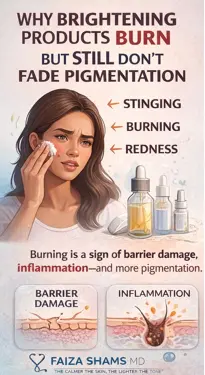
A compromised skin barrier allows irritants and environmental stressors to penetrate more easily, maintaining inflammation and delaying recovery.
Many patients unknowingly slow their own progress by:
- Over-exfoliating
- Using multiple active serums simultaneously
- Skipping moisturization
Barrier repair is not optional in pigmentation care—it is what allows the skin to heal at its natural pace.
Why Early Pigmentation Improves Slowly (And Often Missed)
Initial improvements in pigmentation usually occur at a microscopic level. Inflammation reduces, melanocyte signaling calms, and pigment production slows—but visible color change lags behind.
This leads many people to believe nothing is happening, when in fact the foundation for improvement is being built.
Judging pigmentation treatment too early often results in unnecessary product changes that reset progress.
Why Aggressive Treatments Can Make Progress Slower
Strong peels, high-percentage actives, and frequent procedures may promise faster results, but they often prolong recovery in pigmentation-prone skin.
Aggressive treatments increase inflammation and barrier disruption, forcing melanocytes to stay active longer.
Slower, gentler approaches may feel unsatisfying initially—but they produce more stable outcomes.
How Long Does Pigmentation Really Take to Improve?
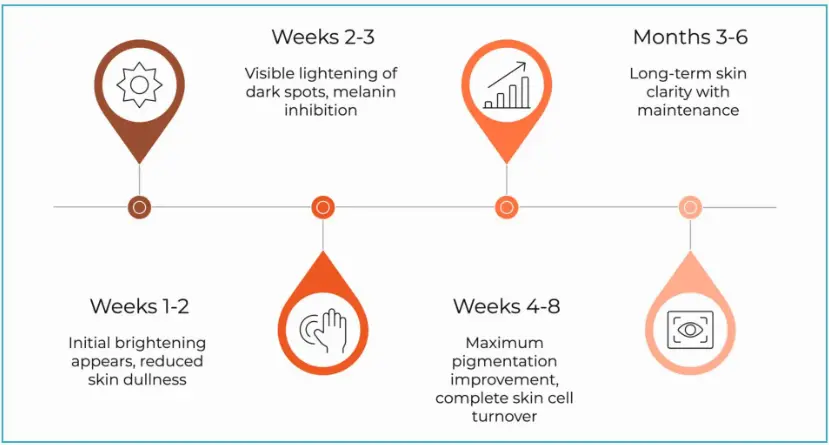
While timelines vary, most well-managed pigmentation shows:
- Early calming in 4–6 weeks
- Visible lightening in 8–12 weeks
- Stable improvement over several months
Anything faster usually involves irritation rather than true pigment correction.
What Actually Speeds Pigmentation Improvement Safely
You cannot rush pigmentation—but you can support the skin so it heals efficiently:
- Consistent sunscreen use
- Barrier-repair skincare
- Anti-inflammatory ingredients
- Avoiding unnecessary product changes
- Patience with the skin’s natural cycle
Progress comes from consistency, not intensity.
Final Thoughts: Slow Improvement Is a Sign of Healthy Healing
Pigmentation that improves slowly but steadily is responding correctly. Rapid changes often indicate irritation or instability.
When treatment respects skin biology, results last longer—even if they take more time to appear.
Understanding this timeline helps patients stay consistent, avoid overtreatment, and achieve clearer, more even-toned skin in the long run.
FAQ
Why does pigmentation take longer to fade than acne?
Because pigment must move through multiple skin renewal cycles, while acne responds more quickly to reduced inflammation.
Is slow improvement a sign that treatment is not working?
No. Slow improvement usually indicates that the skin is healing without irritation, which leads to more stable results.
When should I expect visible results from pigmentation treatment?
Most people notice visible improvement after 8–12 weeks with consistent, barrier-supportive care.
Address: Block C, Punjab University Employees Housing Scheme Phase-II, Lahore, Pakistan
Contact Number: +923224563810