Best Ceramides for Dry Skin in Winter (Pakistan)-Ceramides for Dry Skin
Table of Contents
- Why Ceramides Matter in Winter for Dry Skin in Pakistan
- Clinical Evidence: Do Ceramide Moisturizers Really Work?
- Which Ceramides to Look For (Ingredient Breakdown)
- Best Moisturizer Formulas for Dry Skin in Pakistani Winters
- How to Build a Winter Skincare Routine With Ceramides
- Pakistan-Specific Winter Skincare Tips (Climate Guide)
- Safe Ingredient Combinations With Ceramides (What Works Best)
- Are Oral Ceramides Effective for Dry Skin?
- Dermatologist-Recommended Products Available in Pakistan
- Safety, Side Effects & When to See a Dermatologist
- Dr. Faiza Shams’ Clinical Guidance on Barrier Repair
- Quick Winter Checklist for Dry Skin in Pakistan
- References & Research Summaries
- Conclusion
- FAQS
Winter in Pakistan means colder air, indoor heating, and low humidity in many regions — all of which strip water from the skin and damage the skin barrier. For dry skin, the quickest way to restore comfort and function is a barrier-first routine built around ceramides. This article explains why ceramides work, which types to look for, how to layer them in a winter routine, and practical, Pakistan-specific product and sourcing suggestions — all supported by recent research. I also highlight clinical recommendations from Dr. Faiza Shams and list up-to-date journal references so you can read the science yourself.
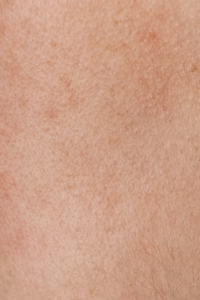
Why ceramides matter in winter (short science primer)
Ceramides are naturally occurring lipids in the outermost skin layer (stratum corneum). They form part of the “mortar” that holds skin cells together and are essential for:
- Reducing transepidermal water loss (TEWL), i.e., preventing moisture escape.
- Restoring barrier integrity after damage (cold, wind, hot showers).
- Lowering skin sensitivity and inflammation that follow barrier breakdown.
Recent reviews show that topical ceramide formulations improve barrier metrics and are central to restoring skin health in dry and barrier-compromised skin. Modern reviews summarize formulation requirements (how ceramides must be processed into stable creams) and clinical data supporting their use.
Evidence that ceramide-containing moisturizers help dry skin
Clinical trials and systematic reviews provide practical evidence:
- A 2023 systematic review and meta-analysis found ceramide-containing moisturizers were more effective at improving clinical severity in barrier disorders (e.g., atopic dermatitis) and helped with hydration and skin symptoms compared with some non-ceramide comparators. The authors call for more randomized trials but conclude ceramide creams are an effective adjunct for dry, inflamed skin.
- Recent clinical evaluations of topical ceramide lotions show measurable improvements in skin hydration and barrier parameters (for example, improved hydration lasting 24 hours in healthy volunteers with dry skin). These trials support daily use during dry seasons like winter.
Which ceramides to look for (ingredient guide)
Not all “ceramide” labels are equal. Look for products that list the specific ceramide species or use established names:
- Ceramide NP (ceramide 3) — common, well-studied for hydration and barrier support.
- Ceramide AP (ceramide 1) — helps structural function of the barrier.
- Ceramide EOP (ceramide 6-II / complex types) — often paired with cholesterol and fatty acids to mimic natural lipids.
Products that combine multiple ceramide types + cholesterol + free fatty acids more closely replicate the skin’s natural lipid ratio and tend to perform better in restoring barrier function. Modern formulation science emphasizes correct ratios and gentle processing to preserve ceramide activity.
Best product formats for Pakistani winters
Winter needs occlusion plus barrier repair. Consider:
- Rich creams / ointments (face & body) — best for very dry or cold days. Look for “ceramide-rich cream” or “moisturizing cream with ceramides.”
- Creams with humectants (hyaluronic acid, glycerin) + ceramides — humectants draw water into skin; ceramides lock it in.
- Ceramide serums followed by a cream — layering helps if you need targeted treatment plus occlusion.
- Fragrance-free & non-irritant formulas — important for reactive dry skin.
Several Pakistan retailers and local brands now stock ceramide moisturizers (CeraVe, Forganica and some local formulations, and pharmacy lines), making sourcing easier. When buying in Pakistan, check the ingredient list for the ceramide species and complementary lipids.
How to use ceramides in your winter routine (practical steps)
- Cleanse gently: Use a mild, non-foaming cleanser. Avoid hot water and harsh surfactants that strip lipids.
- Apply hydrating serum while skin is damp: Hyaluronic acid or glycerin helps bind water.
- Apply a ceramide-containing cream: Pat on a pea-to-nickel sized amount for the face; more for body areas. Ceramides work best when the skin is slightly damp.
- Include an occlusive at night if extremely dry: A thin layer of petrolatum or a rich emollient over your ceramide cream locks moisture for overnight repair.
- Use sunscreen during the day: Even in winter, UV and visible light damage barrier lipids and accelerate moisture loss.
- Introduce actives carefully: If you use retinoids or glycolic acid, pair them with ceramides and avoid using strong exfoliants on the same night that you intensively treat the skin. Ceramides support tolerance to active treatments.
Special tips for Pakistan’s winter climates
- Low-humidity plains (e.g., Lahore, Islamabad in winter): Use richer creams and consider a humidifier at night.
- Cold, windy northern areas: Protect exposed skin with scarves and boots; apply a thick ceramide cream to hands and face before going out.
- Indoor heating (dry air): Reapply moisturizer to hands and exposed areas; choose creams containing multiple ceramide types.
- Power outages & water hardness: If showers are less frequent by choice, avoid long hot showers — they strip oils — and apply ceramides immediately after patting the skin dry.
Combining ceramides with other ingredients (safe, effective pairs)
- Hyaluronic acid + ceramides — hydrate and lock in moisture.
- Niacinamide + ceramides — niacinamide reduces TEWL and inflammation and complements barrier repair.
- Avoid alcohol-heavy toners — they can worsen dryness. If using retinoids for anti-aging, keep a ceramide cream as your follow-up to prevent irritation.
Are oral ceramides useful?
Preliminary nutraceutical research suggests plant-derived ceramide supplements may support skin hydration from within, but the evidence is still emerging and not a replacement for topical care. If considering supplements, choose reputable brands and consult a dermatologist, particularly if you have underlying health conditions.
Practical product suggestions available in Pakistan (examples)
Products sold locally and online that include ceramides (availability can change — check local pharmacies and verified e-commerce sources):
- CeraVe and Forganica’s Moisturizer – widely recommended by dermatologists worldwide for barrier repair (contains multiple ceramides + cholesterol). Good for face and body.
- Local ceramide creams & serums — several Pakistani retailers list ceramide products (look for ceramide NP/AP/EOP on the label).
- Pharmacy brands & clinic formulations — some medical lines available in Pakistan include ceramide formulations designed for very dry skin.
When choosing, prefer: fragrance-free, paraben-minimal, with explicit ceramide listing. Always check batch authenticity when buying online.
Safety, side effects, and when to see a dermatologist
Ceramides are generally well tolerated and suitable for most skin types, including eczema-prone and sensitive skin. Side effects are uncommon but can include irritation if the product contains irritant additives (fragrances, certain preservatives). If you experience burning, worsening redness, or new rash after starting a product, stop using it and consult a dermatologist.
See a dermatologist if: severe dryness, cracking/bleeding, recurrent infections, or if you suspect allergic contact dermatitis. For patients on prescription topical medicines (e.g., potent retinoids), ceramides are often prescribed as adjuncts to improve tolerance and adherence.
Where Dr. Faiza Shams’ research fits in
Dr. Faiza Shams emphasizes a barrier-first approach in her clinical guidance — prioritizing emollients and ceramide-containing moisturizers to restore skin function before layering potent actives. Her practical clinic-based observations mirror recent clinical evidence showing that ceramide creams improve symptoms and adherence when dry, irritated skin coexists with other treatments (for acne, retinoid therapy, or seasonal dryness). For practical application tips and topical routine examples by Dr. Shams, see her evidence-based guidance. drfaizashams.com
Quick winter checklist (for dry skin in Pakistan)
- Switch to a ceramide-rich cream (face + body) in November–March.
- Apply moisturizer on damp skin, morning and night.
- Use a humidifier in bedrooms during very dry spells.
- Avoid long hot showers and alcohol-based toners.
- Keep sunscreen daily.
- Patch test new ceramide products if you have sensitive skin.
References (select, latest & relevant)
- J. Schild et al., The role of ceramides in skin barrier function and formulation considerations (review). 2024.
- W.T. Nugroho et al., The efficacy of moisturizers containing ceramide compared… (systematic review/meta-analysis). 2023. PMC.
- B. Aich et al., Clinical evaluation of a topical ceramide lotion on skin hydration and skin barrier in healthy volunteers with dry skin. 2024.
- T.L. Yong, Ceramides and Skin Health: New Insights. 2025. Wiley Online Library
- Practical product availability and local recommendations
- Dr. Faiza Shams – clinical guidance and evidence-based skincare articles on barrier repair and acne management. drfaizashams.com
Final notes
In winter, the primary goal is repair and protect. Ceramides are among the most evidence-based topical ingredients for barrier repair and moisture retention; when combined with humectants, occlusives, and sensible lifestyle measures they dramatically reduce dryness and sensitivity. For personalised guidance – for example, combining ceramides with prescription retinoids or treating coexisting eczema – consult a dermatologist who can tailor concentrations and regimens to your skin.
FAQS
1. What is the best moisturizer for dry skin in winter in Pakistan?
The best winter moisturizers for dry skin in Pakistan are ceramide-rich creams that combine ceramide NP, AP, and EOP with cholesterol and fatty acids. These deeply repair the skin barrier and prevent moisture loss during Pakistan’s low-humidity winter months.
2. Are ceramides good for extremely dry, flaky skin in cold weather?
Yes. Ceramides for extremely dry winter skin are highly effective because they restore barrier lipids, reduce transepidermal water loss, and strengthen the skin against winter irritation, heaters, and cold winds.
3. How do I layer skincare products for dry skin in Pakistani winters?
Follow a barrier-first routine:
gentle cleanser →
hydrating serum (HA/glycerin) →
ceramide moisturizer for winter dryness →
occlusive at night →
sunscreen in the morning.
4. Which ceramide types are best for repairing the skin barrier?
Dermatologists recommend Ceramide NP, Ceramide AP, and Ceramide EOP, especially when combined with cholesterol and fatty acids in the ideal ratio that mimics the skin’s natural barrier.
5. Can ceramide creams help with dryness caused by indoor heating in Pakistan?
Yes. Ceramide moisturizers for indoor-heating dryness help prevent barrier breakdown by locking in hydration and reducing evaporation, especially in homes using gas or electric heaters.
Address: Block C, Punjab University Employees Housing Scheme Phase-II, Lahore, Pakistan
Contact Number: +923224563810