How to Treat Acne: Evidence-Based Acne Treatment Tips
Acne isn’t just a cosmetic concern—it can affect confidence, daily comfort, and overall quality of life. If you’ve been searching for how to treat acne effectively, the key is understanding what actually works rather than chasing trends. Breakouts are caused by clogged pores, excess oil, acne-causing bacteria, and underlying inflammation—so real results come from targeting these root causes, not just surface symptoms. While countless products promise quick fixes, evidence-based acne treatments focus on proven ingredients and consistent routines backed by science. When you follow the right approach, you don’t just manage breakouts—you prevent them, saving time, money, and frustration in the long run.
Identify the Causes of Acne
Before starting treatment, it’s important to know why acne occurs. Acne develops when hair follicles are clogged with oil (sebum), dead skin cells, and bacteria. Hormonal fluctuations, stress, diet, and genetics can influence the severity of breakouts. Tracking patterns in your skin can help you identify triggers, such as high-sugar foods or certain cosmetic products, which may worsen acne.
Gentle Cleansing: The First Step
Cleansing is essential, but over-washing can damage the skin barrier and worsen acne. Use a mild, non-comedogenic cleanser twice daily to remove dirt and excess oil. Products containing salicylic acid or benzoyl peroxide are effective because they help unclog pores and reduce bacterial growth. Avoid harsh scrubs or abrasive treatments, which can irritate the skin and trigger inflammation.
Topical Treatments That Work
Evidence supports several topical treatments as the foundation of acne management:
- Benzoyl Peroxide: Reduces acne-causing bacteria and decreases inflammation. It is effective for both mild and moderate acne.
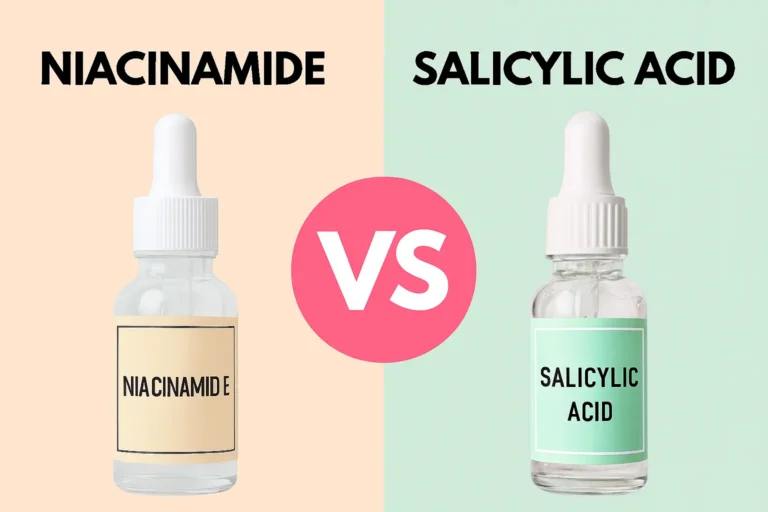
- Salicylic Acid: A beta-hydroxy acid that exfoliates dead skin cells and keeps pores clear.
- Retinoids: Promote skin cell turnover, prevent clogged pores, and reduce comedones. Retinoids are particularly helpful for long-term acne prevention.
- Combination Treatments: Sometimes, dermatologists recommend combining benzoyl peroxide, retinoids, and antibiotics to achieve faster and more effective results.
One of the most effective ingredients for treating acne is salicylic acid, as it penetrates deep into pores and helps clear excess oil and debris. Using a well-formulated salicylic acid serum for acne-prone skin can significantly reduce breakouts and prevent clogged pores over time.
Introduce new treatments gradually to monitor skin tolerance and reduce irritation. Consistency is key — topical treatments often take 6 to 12 weeks to show visible improvement.
Choosing the right products matters just as much as following the right routine. Explore targeted serums for acne-prone skin designed to help control oil and reduce breakouts.
Lifestyle Habits to Support Clear Skin
Acne treatment isn’t limited to topical products. Lifestyle factors can influence skin health significantly:
- Diet: High-glycemic foods, dairy, and processed sugars can exacerbate acne for some individuals. Incorporate fresh fruits, vegetables, lean protein, and foods rich in antioxidants to support skin health.
- Hydration: Drinking sufficient water helps maintain skin barrier function and supports natural detoxification.
- Stress Management: Stress increases cortisol levels, which can trigger excess oil production. Techniques like meditation, yoga, or deep-breathing exercises may reduce breakouts.
- Sleep: Adequate sleep is essential for skin repair and hormone regulation. Aim for 7–9 hours of quality sleep per night.
Avoid Common Acne Mistakes
Many people unknowingly worsen acne by following incorrect routines:
- Over-washing or scrubbing aggressively.
- Using multiple harsh products at once.
- Picking or squeezing pimples, which can cause scarring and infection.
- Relying solely on natural remedies without scientific backing.
Instead, stick to gentle, evidence-based routines, and consult a dermatologist when necessary.
When Professional Help is Needed
While mild acne can often be managed with OTC products, certain situations require medical attention:
- Severe or cystic acne
- Acne that leaves scars
- Hormonal acne in adults
- Acne resistant to standard topical treatments
Dermatologists may prescribe oral antibiotics, hormonal therapies, stronger topical retinoids, or other treatments tailored to your skin type and severity.
Conclusion: How to treat acne
Effective acne treatment combines evidence-based topical care, lifestyle modifications, and professional guidance when necessary. By understanding the causes of acne and following scientifically supported approaches, you can manage breakouts, improve skin health, and regain confidence. Consistency and patience are key — clear skin doesn’t happen overnight, but with the right routine, it’s achievable.
FAQS
1. How to treat acne fast for clear skin?
There’s no instant cure, but a combination of benzoyl peroxide, salicylic acid, and retinoids—used consistently—can significantly reduce acne within 6–12 weeks.
2. Can diet really affect acne?
Yes. High-glycemic foods, dairy, and sugary snacks can worsen acne for some people. A balanced diet with whole foods, antioxidants, and low sugar often supports clearer skin.
3. How often should I wash my face if I have acne?
Wash your face twice daily with a gentle, non-comedogenic cleanser. Over-washing can irritate the skin, worsen inflammation, and increase oil production.
4. Do home remedies help with acne?
Some may soothe the skin, but most lack scientific evidence. Evidence-based treatments like retinoids, benzoyl peroxide, and salicylic acid are far more reliable and effective.
5. When should I see a dermatologist for acne?
You should seek professional help if you have severe, cystic, scarring, hormonal, or treatment-resistant acne, or if acne is affecting your confidence and daily life.
Address: Block C, Punjab University Employees Housing Scheme Phase-II, Lahore, Pakistan
Contact Number: +923224563810