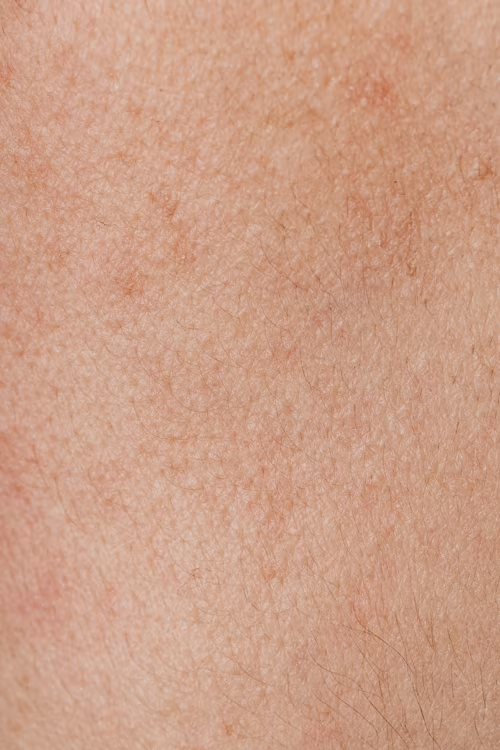
The Ultimate Guide to Blackhead Removal: How to Get Rid of Blackheads, Shrink Pores, and Improve Skin Texture
Table of Contents
What Are Pores and Why They Matter
Pores are tiny openings on the skin’s surface that release sweat and sebum, helping maintain a healthy and balanced complexion. But when these pores get clogged with excess oil, dead skin cells, or dirt, they often lead to stubborn blackheads, sebaceous filaments, whiteheads, and acne. Understanding how pores function — and why they become blocked — is the first step toward effective blackhead removal and smoother skin.
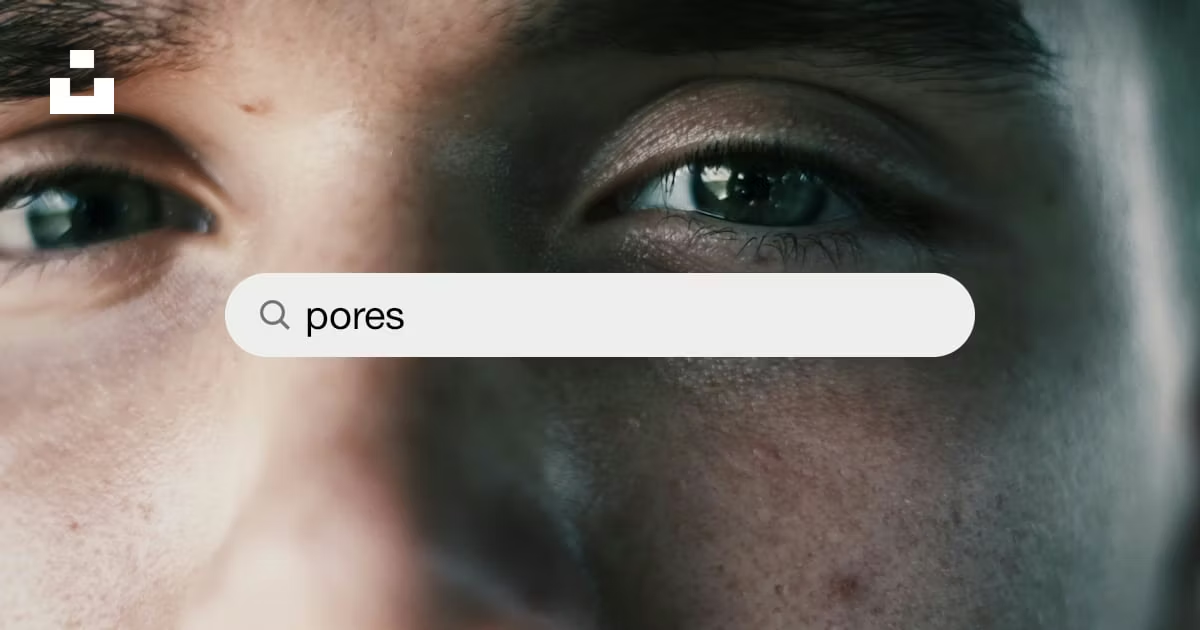
While pore size is mostly determined by genetics, factors like excess oil production, aging, sun damage, and skin texture concerns can make them appear larger. This is especially noticeable on the nose and cheeks, where oil glands are more active. Learning how to get rid of blackheads and what truly affects pore size can help you manage these issues more confidently and maintain clearer, healthier-looking skin.
Blackheads and Sebaceous Filaments: Understanding the Difference
Blackheads are a form of acne caused by clogged pores filled with excess oil and dead skin cells that oxidize, turning dark. They commonly appear on the nose, chin, and back. Sebaceous filaments, in contrast, are natural structures that help channel oil through the pores and are not a form of acne.
While blackheads can be treated and removed through various methods, sebaceous filaments are best managed with consistent skincare routines that regulate oil production and exfoliate the skin.
How to Minimize and Treat Enlarged Pores
Enlarged pores are a cosmetic concern for many people. Although they cannot be permanently removed, their appearance can be minimized through several strategies:
- Use of pore-minimizing serums, toners, primers, and masks.
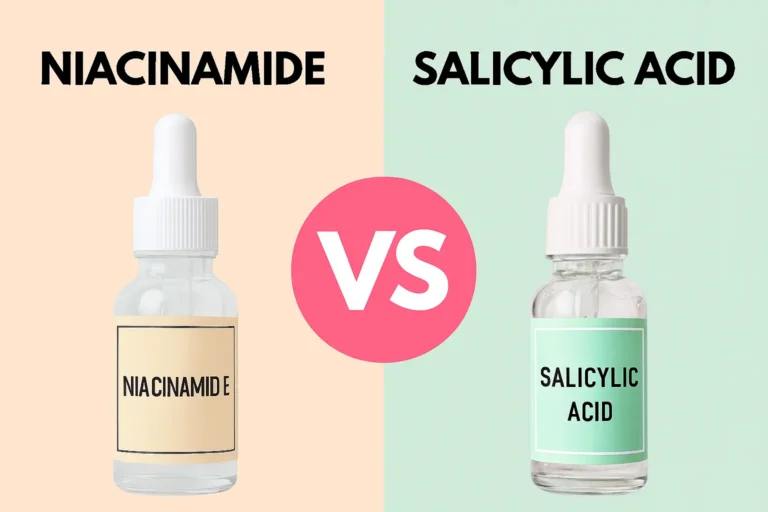
- Incorporation of ingredients like retinol, niacinamide, and salicylic acid, which help regulate oil production and promote skin cell turnover.
- Avoidance of comedogenic products that clog pores.
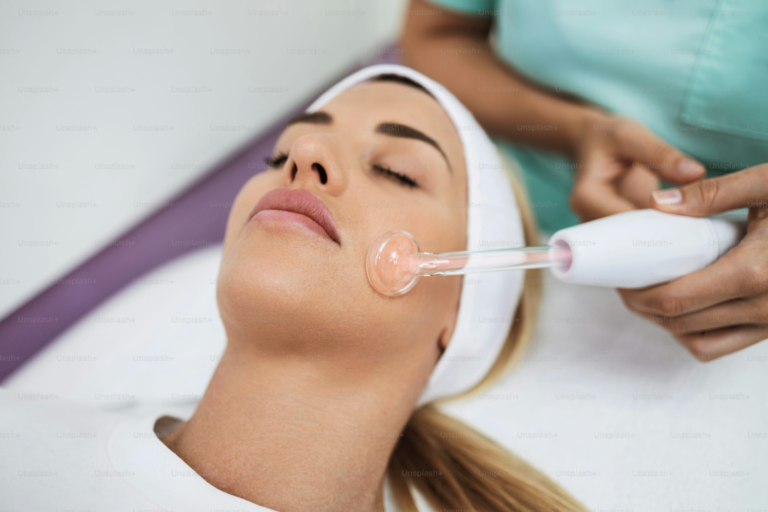
- Professional treatments such as laser therapy can also improve pore appearance.
Consistency in skincare and sun protection is key to maintaining results.
Acne Scars and Skin Texture Correction
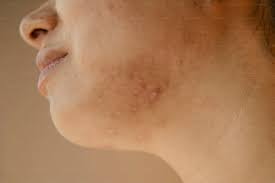
Acne scars, particularly ice pick scars, can significantly affect skin texture. Treatments range from topical products to professional procedures:
- Microneedling stimulates collagen production, improving skin texture and reducing scar depth.
- Retinoids promote skin cell turnover and collagen synthesis.
- More intensive treatments like Accutane can reduce severe acne and prevent further scarring.
Proper treatment selection depends on scar type and skin sensitivity.
Effective Skincare Products and Ingredients
Choosing the right skincare products is essential for managing pores and blackheads. Focus on:
- Non-comedogenic makeup, foundation, and primers to avoid clogging pores.
- Lightweight, breathable formulas that do not exacerbate oiliness.
- Natural oils like rosehip oil and vitamin E oil, which generally do not clog pores but should be used cautiously depending on skin type.
Regular cleansing, exfoliation, and targeted treatments form the foundation of effective skincare.
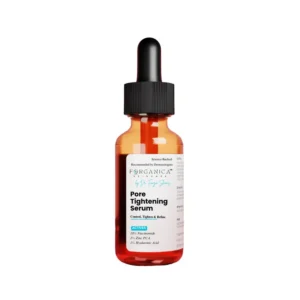
Forganica’s Pore Tightening & Acne Scar Removal Serum is a powerful daily treatment that smooths texture, refines enlarged pores, and fades stubborn scars for clearer, healthier-looking skin.
Common Myths About Pores
Several myths persist about pores and their behavior:
- Pores do not open and close as they lack muscles; their size is largely fixed.
- Cold water may reduce inflammation but does not permanently shrink pores.
- While pores cannot be eliminated, their appearance can be minimized through proper skincare.
Understanding these facts helps to understand how to Get Rid of Blackheads.
Expert Tips for Clearer, Smoother Skin
- Cleanse twice daily with a gentle, non-comedogenic cleanser.
- Exfoliate weekly to remove dead skin cells and prevent clogged pores.
- Use targeted treatments such as salicylic acid for blackheads and retinol for pore refinement.
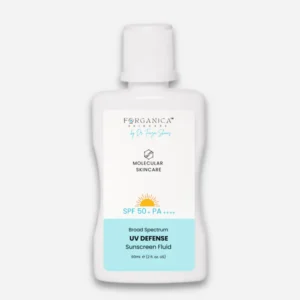
- Protect skin from sun damage with broad-spectrum sunscreen.
By combining science-backed skincare with consistent habits, you can effectively manage pores, reduce blackheads, and improve overall skin texture.
This guide integrates high-volume keywords like blackhead removal, how to get rid of acne scars, and pore minimizer, while also covering semantic variants to maximize SEO reach.## The Ultimate Guide to Pores, Blackheads, and Skin Texture
What Are Pores and Why They Matter
Pores are tiny openings on the skin’s surface that release sweat and sebum, essential for maintaining skin health. However, when pores become clogged with excess oil, dead skin cells, or dirt, they can lead to common skin concerns such as blackheads, whiteheads, and acne. Understanding the causes and functions of pores is crucial for effective skincare.
Pores vary in size naturally, but factors like excess oil production, aging, sun damage, and genetics can make them appear larger. Large pores are most noticeable on the nose and cheeks, where oil glands are more active.
Blackheads and Sebaceous Filaments: Understanding the Difference
Blackheads are a form of acne caused by clogged pores filled with excess oil and dead skin cells that oxidize, turning dark. They commonly appear on the nose, chin, and back. Sebaceous filaments, in contrast, are natural structures that help channel oil through the pores and are not a form of acne.
While blackheads can be treated and removed through various methods, sebaceous filaments are best managed with consistent skincare routines that regulate oil production and exfoliate the skin.
How to Minimize and Treat Enlarged Pores
Enlarged pores are a cosmetic concern for many people. Although they cannot be permanently removed, their appearance can be minimized through several strategies:

- Use of pore-minimizing serums, toners, primers, and masks.
- Incorporation of ingredients like retinol, niacinamide, and salicylic acid, which help regulate oil production and promote skin cell turnover.
- Avoidance of comedogenic products that clog pores.
- Professional treatments such as laser therapy can also improve pore appearance.
Consistency in skincare and sun protection is key to maintaining results.
Many people wonder “why are my pores so big on my nose?” or “why are my pores getting bigger?”, and in most cases the answer lies in excess oil production, genetics, sun damage, and aging. If you’re exploring how to make pores smaller with laser treatments, options like laser resurfacing and fractional lasers can significantly tighten enlarged pores. Many also ask, “does microneedling really help with enlarged pores?”—and yes, microneedling increases collagen around the pore walls, making them appear tighter over time. Popular skincare brands like Drunk Elephant minimize pores with exfoliating and hydrating formulas, but daily habits matter too. Some oils can worsen congestion, leading people to ask “does rosehip oil clog pores?”—it’s generally low on the comedogenic scale, while others wonder “can vitamin E clog your pores?” or “is vitamin E oil non comedogenic?”; in reality, vitamin E can be pore-clogging for acne-prone skin. If you’re looking for the best facial for large pores and blackheads, treatments like hydrafacial, chemical peels, or deep extractions work very well. For those with acne scarring, seeing Accutane before and after scars can be motivating, as it often reduces oil production enough to prevent new clogged pores. So when you find yourself asking, “why do my pores look so big?” remember that pores don’t actually open or close, but with the right treatments and products, they can look significantly smaller and more refined.
Acne Scars and Skin Texture Correction
Acne scars, particularly ice pick scars, can significantly affect skin texture. Treatments range from topical products to professional procedures:
- Microneedling stimulates collagen production, improving skin texture and reducing scar depth.
- Retinoids promote skin cell turnover and collagen synthesis.
- More intensive treatments like Accutane can reduce severe acne and prevent further scarring.
Proper treatment selection depends on scar type and skin sensitivity.
Effective Skincare Products and Ingredients
Choosing the right skincare products is essential for managing pores and blackheads. Focus on:
- Non-comedogenic makeup, foundation, and primers to avoid clogging pores.
- Lightweight, breathable formulas that do not exacerbate oiliness.
- Natural oils like rosehip oil and vitamin E oil, which generally do not clog pores but should be used cautiously depending on skin type.
Regular cleansing, exfoliation, and targeted treatments form the foundation of effective skincare.
Common Myths About Pores
Several myths persist about pores and their behavior:
- Pores do not open and close as they lack muscles; their size is largely fixed.
- Cold water may reduce inflammation but does not permanently shrink pores.
- While pores cannot be eliminated, their appearance can be minimized through proper skincare.
Understanding these facts helps set realistic expectations.
Expert Tips for Clearer, Smoother Skin
- Cleanse twice daily with a gentle, non-comedogenic cleanser.
- Exfoliate weekly to remove dead skin cells and prevent clogged pores.
- Use targeted treatments such as salicylic acid for blackheads and retinol for pore refinement.
- Protect skin from sun damage with broad-spectrum sunscreen.
By combining science-backed skincare with consistent habits, you can effectively manage pores, reduce blackheads, and improve overall skin texture.
FAQS
1. How can I make my pores appear smaller?
Pores cannot physically shrink, but their appearance can be minimized with ingredients like retinol, niacinamide, and salicylic acid, as well as treatments such as microneedling and laser resurfacing. Consistent skincare and sun protection also play a major role.
2. What’s the difference between blackheads and sebaceous filaments?
Blackheads are clogged pores filled with oxidized oil and dead skin cells, while sebaceous filaments are natural structures that help transport sebum. Blackheads can be removed, but sebaceous filaments can only be managed with regular skincare.
3. Does microneedling really help with enlarged pores and acne scars?
Yes. Microneedling boosts collagen production, which tightens enlarged pores and smooths acne scars over time. Multiple sessions are usually required for noticeable results.
4. Can oils like rosehip oil or vitamin E clog pores?
Rosehip oil is generally low on the comedogenic scale and suits many skin types. Vitamin E, however, can clog pores in acne-prone or oily skin, so it should be used cautiously.
5. What is the best skincare routine for preventing blackheads and improving skin texture?
A balanced routine includes gentle cleansing twice daily, weekly exfoliation, targeted treatments like salicylic acid and retinol, pore-friendly (non-comedogenic) products, and daily sunscreen. Professional facials or extractions can also help.
Address: Block C, Punjab University Employees Housing Scheme Phase-II, Lahore, Pakistan
Contact Number: +923224563810