
Iron Oxides in Skincare: Why Visible Light Protection Is Essential for Pigmentation Control
Table of Contents
Why Pigmentation Persists Despite Regular Sunscreen Use
Many patients with melasma or post-inflammatory hyperpigmentation ask the same question:
“I use sunscreen every day—why does my pigmentation keep coming back?”
The answer often lies in a lesser-discussed trigger: visible light.
Traditional sunscreens are designed to protect against UVA and UVB radiation, but they do not adequately shield the skin from visible light, which makes up nearly 45% of the solar spectrum. For pigment-prone skin, especially melasma, this gap in protection can be the reason treatments fail or pigmentation relapses.
This is where iron oxides become clinically relevant.
What Are Iron Oxides?
Iron oxides are inorganic mineral pigments commonly used in skincare and cosmetic formulations. They exist primarily in three forms:
- Red iron oxide
- Yellow iron oxide
- Black iron oxide
In sunscreens and skincare products, iron oxides are responsible for providing tint, but their role extends far beyond cosmetic coverage.
Unlike UV filters such as zinc oxide or titanium dioxide, iron oxides do not protect against UVA or UVB rays. Instead, their unique value lies in their ability to absorb and scatter visible light, particularly the wavelengths most responsible for triggering pigmentation.
Understanding Visible Light and Skin Pigmentation
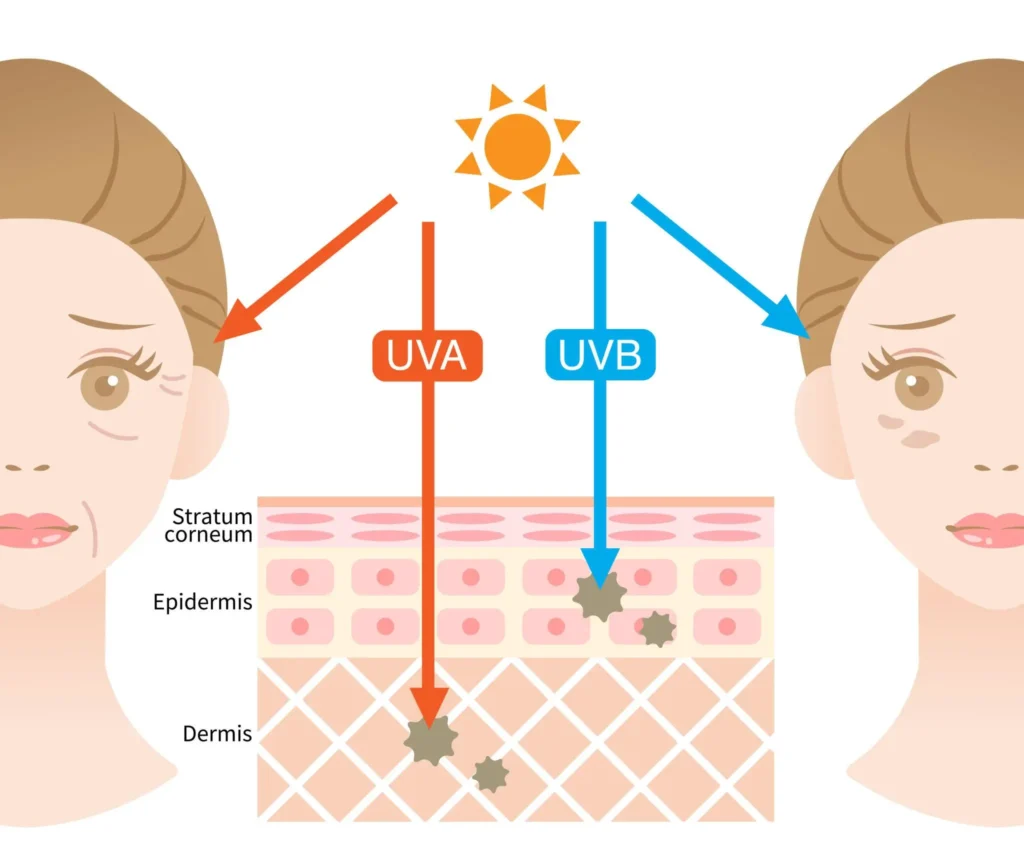
Visible light occupies the wavelength range of 400–700 nm, sitting just beyond UVA radiation. Research has shown that visible light:
- Penetrates deeper than UVB
- Stimulates melanocytes
- Increases melanin production
- Worsens existing pigmentation disorders
This effect is significantly more pronounced in darker skin tones (Fitzpatrick III–VI), where melanocytes are more reactive.
Unlike UV radiation, visible light exposure occurs not only outdoors but also indoors, through artificial lighting and digital screens. This explains why some patients experience worsening pigmentation despite strict sunscreen use.
How Iron Oxides Protect Against Visible Light
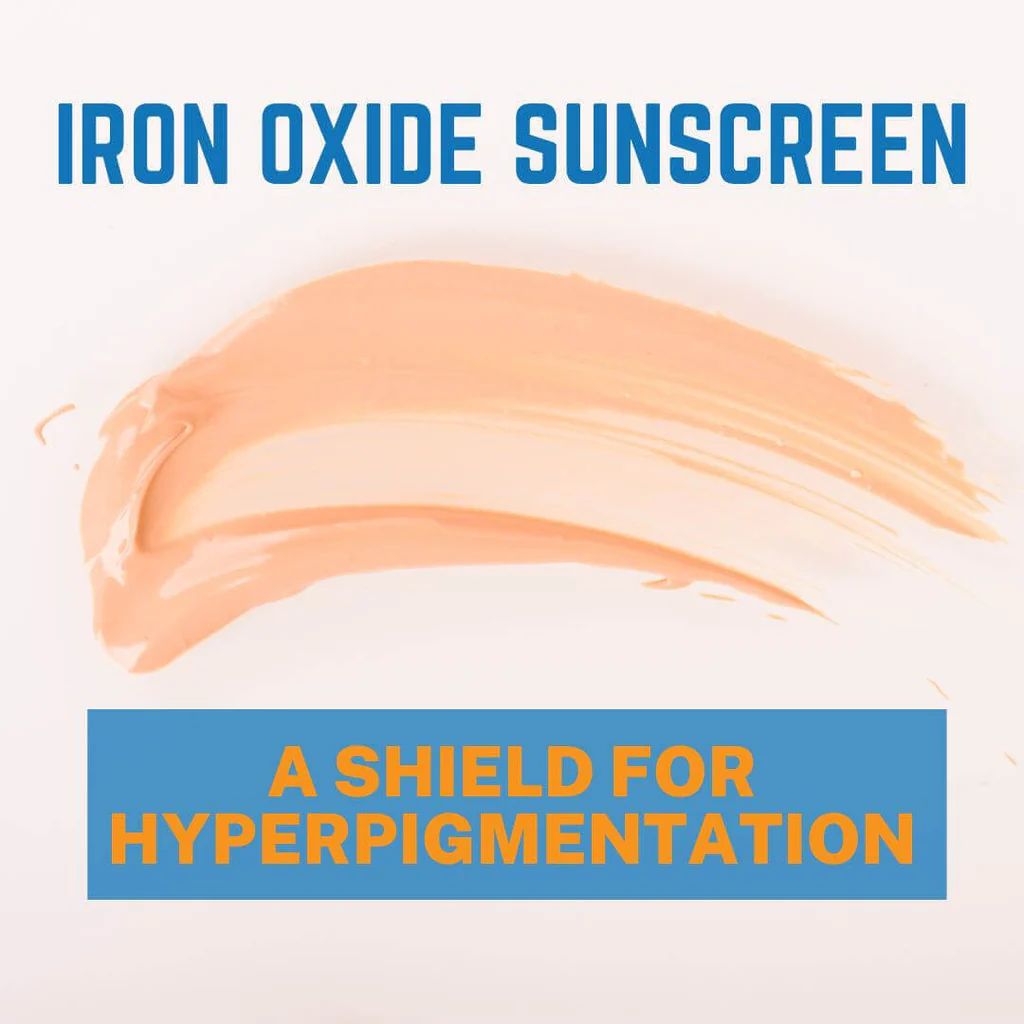
Iron oxides work by absorbing and reflecting visible light, reducing its penetration into the skin. When included in sunscreen formulations, they complement UV filters by extending protection into the visible spectrum.
This is why tinted sunscreens consistently outperform non-tinted sunscreens in preventing pigmentation, even when both have the same SPF.
According to Dr. Faiza Shams,
“For patients with melasma or recurrent hyperpigmentation, protection against visible light is non-negotiable. Iron oxides are a crucial component of any effective pigmentation prevention strategy.”
Iron Oxides and Melasma: A Critical Connection
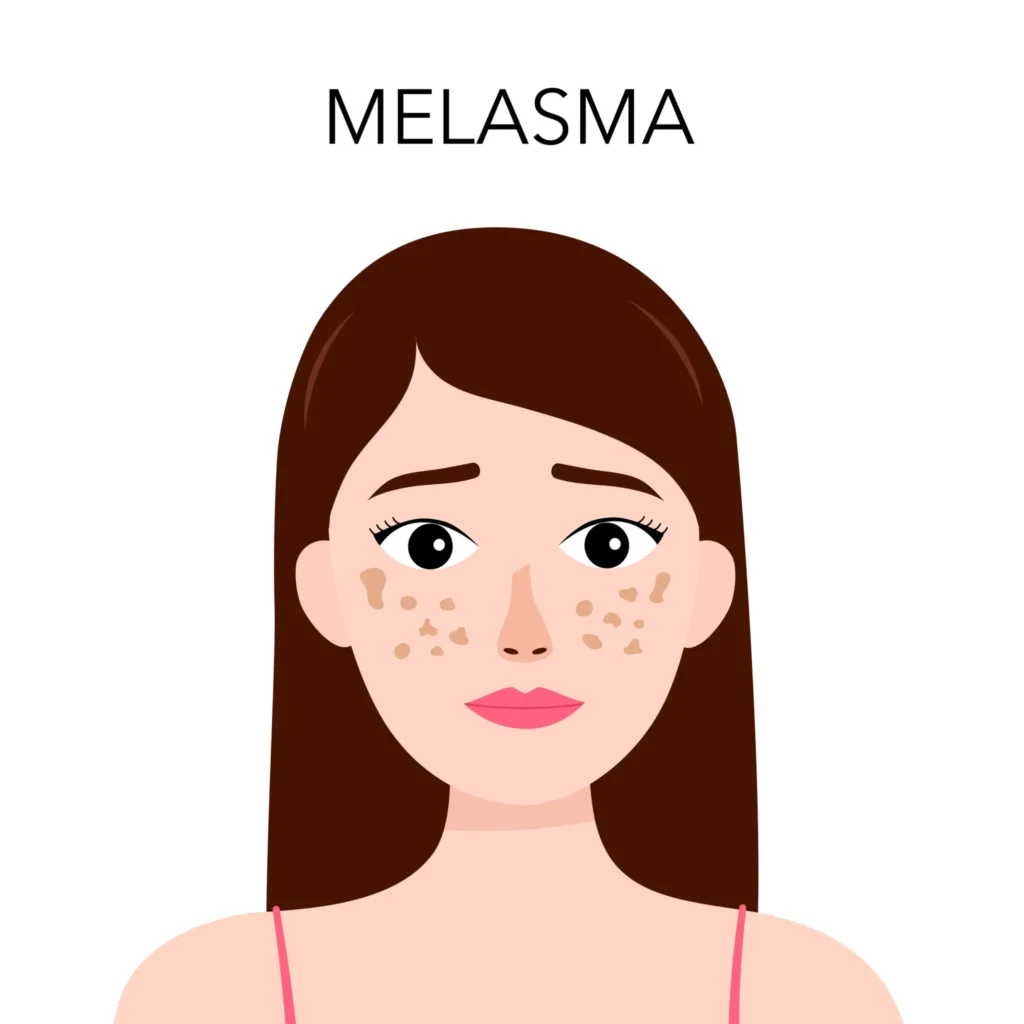
Melasma is a chronic, relapsing condition driven by multiple factors—UV radiation, hormones, inflammation, and visible light.
Studies have demonstrated that visible light can worsen melasma even when UVA and UVB are adequately blocked. This explains why patients often see:
- Initial improvement with treatment
- Rapid relapse once treatment stops
- Poor long-term control despite high-SPF sunscreens
Iron oxides help close this gap by addressing a trigger that conventional sunscreens miss.
Who Benefits Most from Iron Oxides?
Iron oxides are particularly beneficial for:
- Patients with melasma
- Individuals with post-inflammatory hyperpigmentation
- Fitzpatrick skin types III–VI
- Post-procedure skin (chemical peels, lasers)
- People exposed to indoor lighting and screens
- Patients with a history of treatment-resistant pigmentation
For these groups, tinted sunscreens containing iron oxides should be considered a daily essential, not an optional add-on.
Common Myths About Iron Oxides
“Tinted sunscreens are just makeup”
Iron oxides are functional pigments, not decorative cosmetics. Their primary role in dermatology is visible light protection, not coverage.
“SPF 50 is enough for pigmentation”
SPF measures protection against UVB only. It does not account for visible light exposure, which plays a significant role in pigmentation disorders.
“Iron oxides clog pores”
Iron oxides themselves are non-comedogenic. Breakouts are usually related to the overall formulation, not the pigment.
“Visible light only matters outdoors”
Indoor lighting and screens also emit visible light, making daily protection important even for those who spend most of their time indoors.
How to Choose the Right Product with Iron Oxides
When selecting a product, look for the following:
- Iron oxides listed in the INCI
- Broad-spectrum UVA and UVB protection
- A tint that closely matches your skin tone
- Lightweight texture for acne-prone skin
- Ability to reapply comfortably throughout the day
Shade mismatch can reduce adherence, so patient comfort and cosmetic elegance matter for long-term use.
Iron Oxides vs Non-Tinted Sunscreens
While non-tinted sunscreens protect effectively against UV radiation, they fall short in managing pigmentation disorders driven by visible light.
Tinted sunscreens containing iron oxides provide:
- UV protection
- Visible light protection
- Improved melasma control
- Better prevention of relapse
For pigment-prone skin, both forms of protection are necessary.
Can Iron Oxides Replace Pigmentation Treatments?
Iron oxides are preventive, not corrective. They do not treat existing pigmentation but play a critical role in:
- Preventing worsening
- Supporting treatment results
- Reducing relapse rates
As Dr. Faiza Shams explains,
“Topical treatments and procedures can only work if triggers are controlled. Without visible light protection, even the best pigmentation treatments will fail over time.”
Iron oxides should be used alongside:
- Targeted topical agents
- Procedural treatments when indicated
- Consistent sun and light protection habits
Final Takeaway
Iron oxides are no longer just cosmetic pigments—they are a cornerstone of modern pigmentation management. For conditions like melasma and post-inflammatory hyperpigmentation, visible light protection is essential, and iron oxides provide a practical, evidence-based solution.
When used consistently within a comprehensive skincare routine, iron oxides help protect results, prevent relapse, and support long-term pigment control.
FAQ
What are iron oxides used for in skincare?
Iron oxides are mineral pigments used in skincare, primarily in tinted sunscreens and complexion products. Beyond providing color, they play an important role in protecting the skin from visible light, which is known to worsen pigmentation conditions like melasma and post-inflammatory hyperpigmentation.
Do iron oxides protect against UV rays?
No. Iron oxides do not protect against UVA or UVB rays. UV protection comes from ingredients like zinc oxide, titanium dioxide, or chemical UV filters. Iron oxides specifically help protect against visible light, making them a complementary—not replacement—ingredient in sunscreens.
Why are iron oxides important for melasma?
Melasma is highly sensitive to visible light. Even with regular sunscreen use, exposure to visible light can trigger melanocytes and cause relapse. Iron oxides help block visible light, making them essential for long-term melasma control and prevention.
Are tinted sunscreens better for pigmentation?
For pigmentation-prone skin, tinted sunscreens containing iron oxides are generally more effective than non-tinted sunscreens. They provide protection against both UV radiation and visible light, which is critical for preventing worsening of pigmentation.
Can iron oxides help fade existing dark spots?
Iron oxides do not treat or lighten existing pigmentation. Their role is preventive—they help stop pigmentation from getting darker or returning while other treatments work to fade existing spots.
Are iron oxides safe for daily use?
Yes. Iron oxides are considered safe and stable cosmetic ingredients and are widely used in dermatology-recommended products. They are suitable for daily, long-term use, including in sensitive and pigmentation-prone skin types.
Address: Block C, Punjab University Employees Housing Scheme Phase-II, Lahore, Pakistan
Contact Number: +923224563810