Microneedling Before and After: Research-Based SEO Guide
Table of Contents
- Introduction
- What Is Microneedling?
- Microneedling Before and After: What to Expect
- Benefits of Microneedling: The Science Behind the Results
- Risks and Side Effects
- Professional vs. At-Home Microneedling
- Microneedling Before and After for Specific Skin Concerns
- How Many Microneedling Sessions Are Needed?
- Microneedling Aftercare
- FAQS
Introduction
Microneedling has evolved from a niche dermatology procedure to one of the most widely requested skin treatments across clinics, medi-spas, and home skincare communities. Its popularity can be attributed to the dramatic microneedling before and after transformations shared online, ranging from acne scar recovery to pore refinement, wrinkle reduction, and overall skin rejuvenation. If you often search for blackhead removal near me, it’s usually because your pores feel clogged and home remedies aren’t giving lasting results.
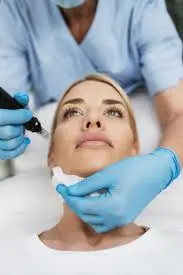
However, the true value of microneedling lies not in trends but in science-backed collagen induction. This long-form guide provides an in-depth, research-supported breakdown covering every aspect of microneedling — from how it works to safety, results, preparation, aftercare, side effects, professional vs. at-home outcomes, and before–after expectations for specific skin concerns.
1. What Is Microneedling?
Microneedling, or collagen induction therapy, involves using a device with ultra-fine needles to create controlled micro-injuries on the skin’s surface. These micro-injuries activate the body’s wound-healing response, stimulating the production of collagen, elastin, and fibroblasts — the key components responsible for firmness, elasticity, and youthful skin texture.
How Microneedling Works Scientifically
The treatment relies on the body’s three-phase healing process:
- Inflammation Phase (Days 1–3)
Micro-injuries trigger platelets to release growth factors such as TGF-beta, PDGF, and VEGF. These signal collagen and elastin synthesis. - Proliferation Phase (Days 4–28)
Fibroblasts regenerate new collagen fibers and extracellular matrix. Skin texture becomes smoother, firmer, and more evenly toned. - Remodeling Phase (1–6 Months)
Collagen type III transitions to collagen type I — the strongest form of collagen, which gives the skin a tight, refined appearance.
What Microneedling Treats
- Acne scars
- Enlarged pores
- Fine lines and wrinkles
- Pigmentation and melasma
- Stretch marks
- Sagging or textured skin
- Dull or uneven tone
- Scars from surgery or injuries
This versatility makes microneedling one of the most powerful non-invasive rejuvenation techniques in modern dermatology.
2. Microneedling Before and After: What to Expect
Before Microneedling
Preparing the skin properly ensures optimal results and reduces risk.
Switch to non-comedogenic makeup a few days before your session to avoid clogging pores and reducing inflammation prior to treatment.
Skin Preparation Guidelines
Avoid for 3–5 days prior:
- Retinoids (retinol, tretinoin)
- AHAs/BHAs (glycolic, salicylic acid)
- Benzoyl peroxide
- Vitamin C if skin is sensitive
- Hair removal, waxing, or exfoliating scrubs
Stay hydrated, moisturize regularly, and use sunscreen daily leading up to the session.
Consultation Checklist
A dermatologist will evaluate:
- Skin type and Fitzpatrick skin scale
- Active acne or possible contraindications
- Presence of keloids or hypertrophic scars
- Medication history
- Desired outcomes and realistic expectations
- Number of sessions required (usually 3–6)
Common Concerns Patients Present With
- Rough texture
- Indented acne scars
- Enlarged pores
- Fine lines around mouth/eyes
- Pigmentation patches
- Stretch marks on thighs, hips, stomach
Immediately After Microneedling
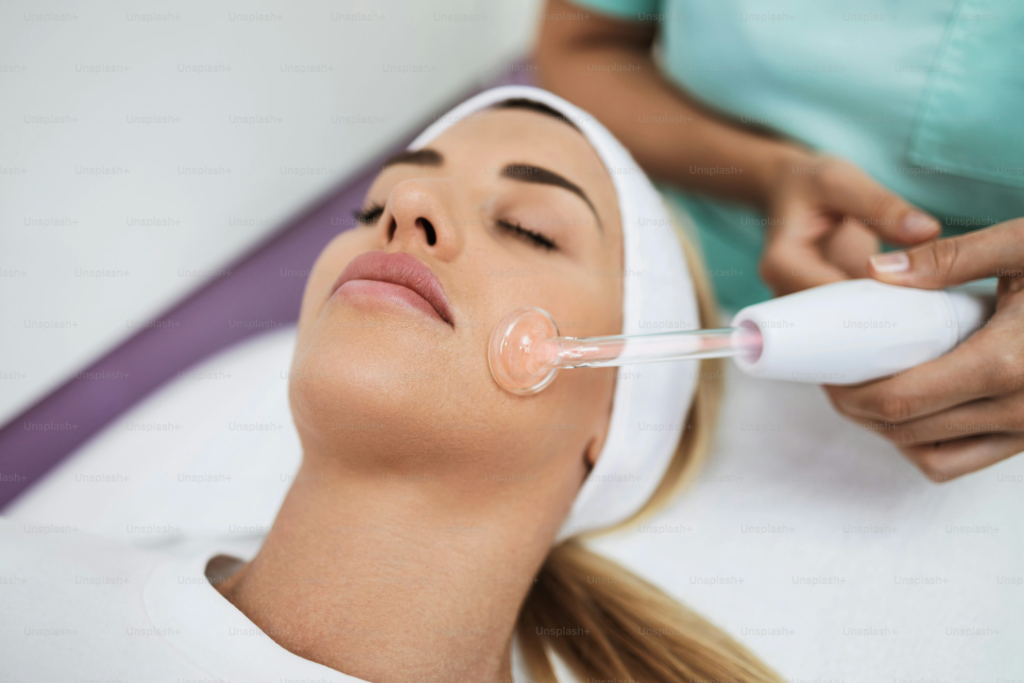
Your skin may look flushed, warm, or slightly swollen. This is normal and lasts 24–48 hours.
Expected Post-Treatment Effects
- Redness similar to a sunburn
- Tightness or sensitivity
- Mild swelling
- Tiny pinpoint marks (only with deeper professional sessions)
- Slight dryness or flaking for 3–5 days
Avoid:
- Makeup for 24 hours
- Sun exposure
- Sweating, gym workouts, or swimming
- Active ingredients (retinoids, exfoliants)
Long-Term Results
Most people begin noticing improvements at the 4–6 week mark, but full results continue developing for 3–6 months due to ongoing collagen remodeling.
Visible Improvements Include:
- Smoother skin texture
- Reduced acne scar depth
- Fewer fine lines
- Smaller, tighter-looking pores
- More even skin tone
- Increased firmness
- Brighter, more youthful glow
Multiple sessions produce cumulatively greater results, especially for scars and wrinkles.
3. Benefits of Microneedling: The Science Behind the Results
Wrinkle and Fine Line Reduction
Microneedling boosts type I collagen, which restores firmness and reduces wrinkles from within.
Acne Scar Treatment
Microneedling is one of the most effective and affordable treatments for acne scars, especially when combined with PRP, peptides, or growth-factor serums.
Hyperpigmentation and Melasma
Micro-injuries accelerate cell turnover, breaking up excess pigment. When paired with topical agents, results are even more dramatic.
Stretch Marks
Microneedling repairs torn collagen fibers that form stretch marks, making them smoother and significantly lighter.
Enhanced Product Absorption
Skin channels remain open for several hours, allowing serums like hyaluronic acid, peptides, and growth factors to penetrate deeper.
4. Risks and Side Effects
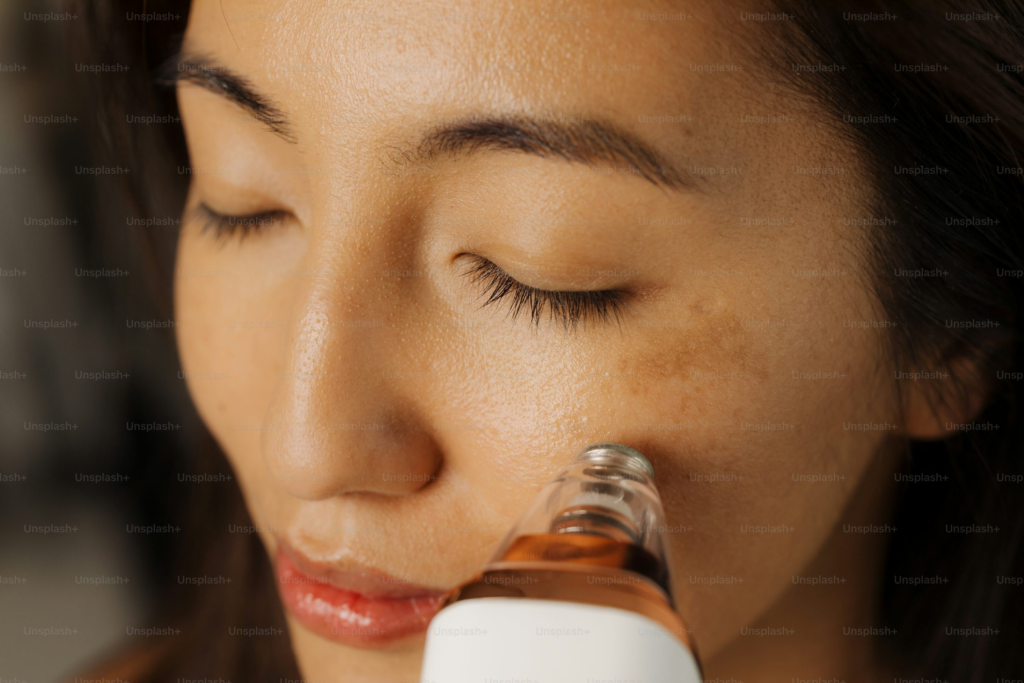
Microneedling is safe when performed correctly, but not suitable for everyone.
Potential Side Effects
- Redness
- Dryness or flaking
- Bruising (rare)
- Temporary hyperpigmentation
- Infection if aftercare is ignored
- Worsening of acne if performed on active breakouts
Contraindications
Avoid microneedling if you have:
- Active acne
- Eczema or psoriasis flare-ups
- Rosacea with inflammation
- Blood clotting disorders
- Keloid history
- Recent sunburn
- Pregnancy (deep microneedling is not recommended)
5. Professional vs. At-Home Microneedling
| Aspect | Professional Microneedling | At-Home Rollers |
|---|---|---|
| Needle Depth | Up to 2.5 mm | 0.2–0.5 mm |
| Results | Faster & dramatic | Mild & gradual |
| Safety | High (sterile tools) | Risk of contamination |
| Purpose | Scars, wrinkles, pigmentation | Product absorption |
| Pain Level | Numbed skin | Slight discomfort |
| Recovery | 2–3 days | Minimal |
At-home devices cannot remodel deep acne scars or wrinkles. Professional microneedling is the only safe and effective method for transformative results.
6. Microneedling Before and After: Specific Skin Concerns
Acne Scars
Microneedling creates new collagen within scar depressions, reducing depth and making skin smoother. Before–after photos show:
- 40–70% reduction in scar visibility
- Smaller pores
- Smoother texture within 3–6 sessions
Stretch Marks
Before–after results show lighter, less raised, and smoother stretch marks, especially newer ones.
Hyperpigmentation
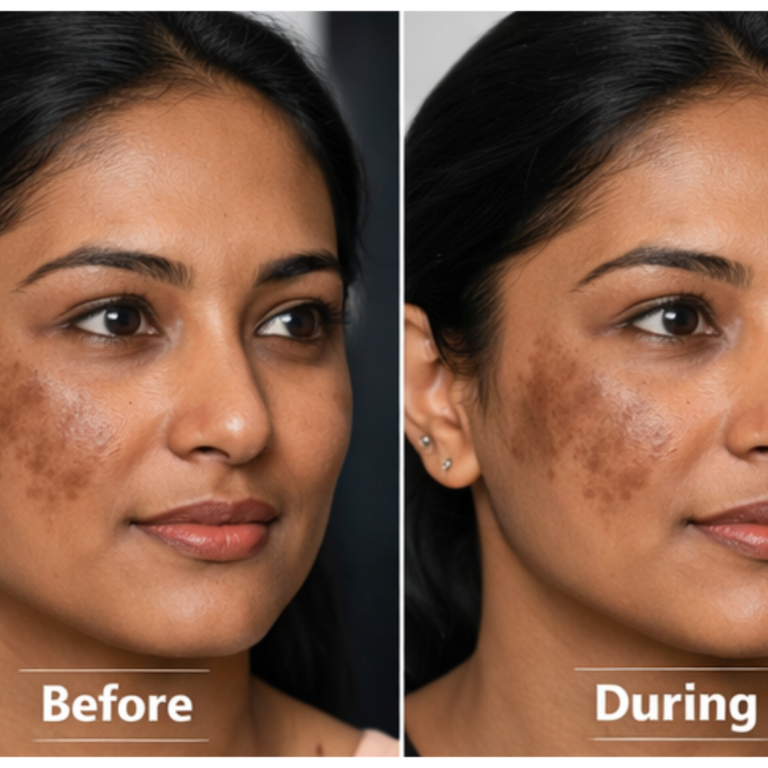
Microneedling improves melasma and dark spots by promoting even cell turnover, and combining it with daily sun protection is essential, learn more about choosing the right sunscreen for your skin in this comprehensive sun protection tips for your skin.
Fine Lines & Wrinkles
Collagen remodeling plumps the skin, reducing etched lines around the eyes, forehead, and mouth.
7. How Many Sessions Are Needed?
Recommended treatment plan:
- Mild texture issues: 1–2 sessions
- Pigmentation: 2–3 sessions
- Fine lines: 3–4 sessions
- Acne scars: 4–6 sessions
- Stretch marks: 4–8 sessions
Sessions are spaced 4–6 weeks apart.
8. Microneedling Aftercare
Post-care determines results more than the treatment itself.
Required Aftercare
- Use a gentle cleanser
- Apply hyaluronic acid to hydrate
- Avoid actives for 72 hours
- Use high-quality sunscreen
- Moisturize generously
Ingredients to Avoid for 3–5 Days
- Retinol
- Vitamin C (if sensitive)
- Glycolic and salicylic acid
- Benzoyl peroxide
- Scrubs
- Chemical exfoliants
FAQS
How painful is microneedling?
Professional sessions use numbing cream, so discomfort is minimal.
Can microneedling make scars worse?
No, if done by a trained professional. DIY risks worsening texture.
How soon can I wear makeup?
After 24 hours, ideally 48.
Can microneedling shrink pores?
Yes — collagen around the pore walls increases, making pores appear tighter.
Why did my pores get bigger all of a sudden?
Pores can suddenly look bigger due to excess oil production, dehydration, or buildup inside the pore that stretches it from within. Hormonal changes, humidity, or using comedogenic products can also make pores appear enlarged almost overnight.
Does cold water open pores?
No, cold water does not open or close pores — pores don’t have muscles to physically change size. Cold water can temporarily make them appear smaller by reducing inflammation and swelling, but it doesn’t actually shrink them.
Address: Block C, Punjab University Employees Housing Scheme Phase-II, Lahore, Pakistan
Contact Number: +923224563810