Why Pigmentation Returns After Stopping Treatment (And How to Prevent Relapse)
Table of Contents
Introduction: “My Pigmentation Was Gone… Then It Came Back”
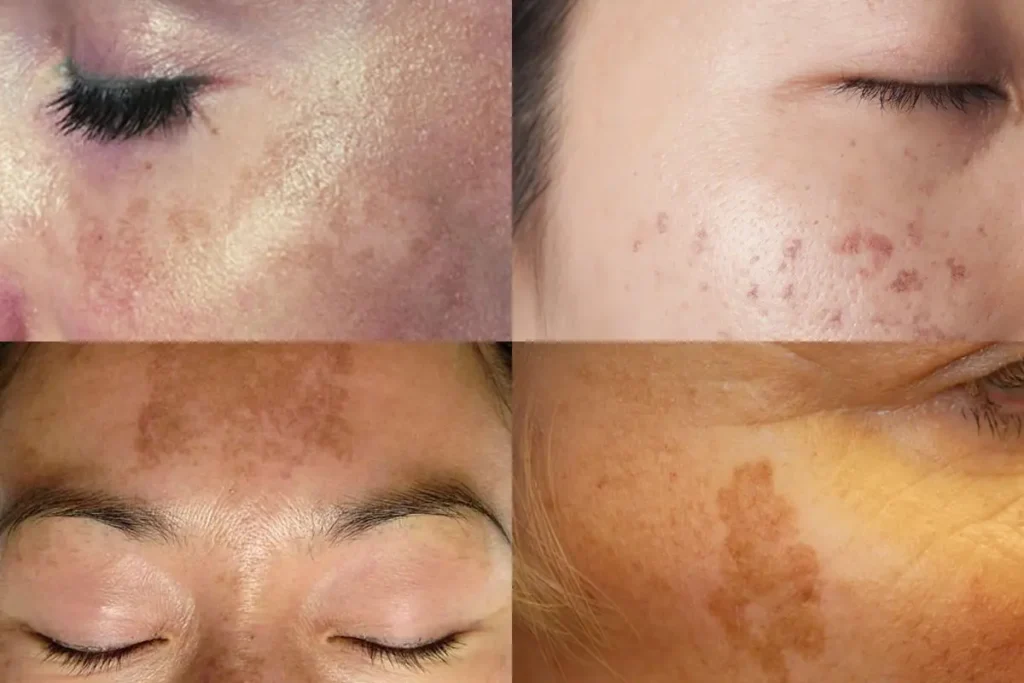
One of the most frustrating things patients say is this:
“My pigmentation cleared beautifully — but a few months after stopping treatment, it came back.”
Not darker.
Not worse.
Just… back.
This experience is extremely common — and often misunderstood.
Most people assume that pigmentation returning means:
- the treatment “didn’t work,” or
- the skin has become resistant, or
- pigmentation is permanent
In reality, pigmentation relapse usually has nothing to do with treatment failure.
It happens because pigmentation treatment is often approached as a short-term correction, while pigmentation itself is a long-term biological behavior of the skin.
To truly prevent pigmentation from returning, we need to understand what happens beneath the surface after visible pigment fades — and why stopping treatment abruptly creates the perfect conditions for relapse.
What “Pigmentation Clearance” Really Means (And What It Doesn’t)
When pigmentation fades, what you are seeing is:
- Reduced melanin in the upper epidermis
- Improved light reflection from the skin surface
- Temporary suppression of melanocyte activity
What has not necessarily happened:
- Melanocytes have not been “reset”
- Inflammatory pathways may still be active
- The skin barrier may still be fragile
Dr. Faiza Shams explains:
“Most pigmentation treatments suppress pigment production; they do not erase the melanocyte’s memory. Without a maintenance strategy, pigment cells often resume activity once treatment stops.”
This distinction is critical.
Pigmentation improves before the skin has biologically stabilized.
The Role of Melanocyte Memory in Pigmentation Relapse
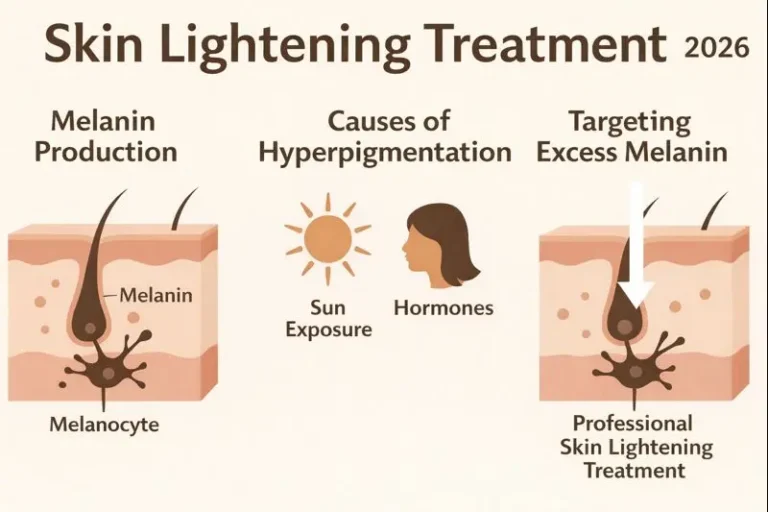
Melanocytes are not passive pigment factories.
They are memory-based cells.
Once triggered by:
- UV radiation
- Visible light
- Hormones
- Heat
- Inflammation
they can remain in a primed state — even when pigment is no longer visible.
This phenomenon is often referred to as melanocyte memory.
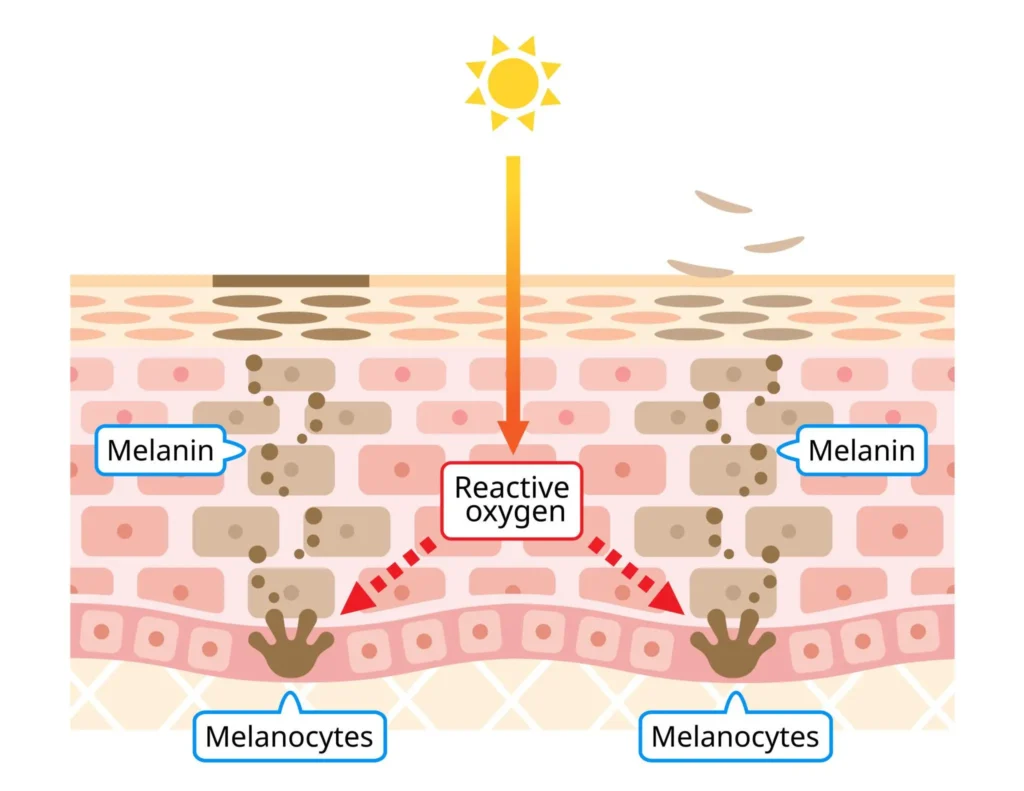
After treatment:
- Melanin production slows
- Pigment disperses
- Skin tone looks even
But melanocytes remain sensitized, waiting for the next trigger.
Stopping treatment removes the suppressive signals — and pigmentation quietly returns.
(Learn: melanocyte memory)
Why Pigmentation Returns Faster the Second Time
Many patients notice that:
- Pigmentation returns faster after stopping treatment
- The skin reacts more quickly to sun or heat
- Flares happen with less provocation
This happens because repeated pigment activation:
- Strengthens melanocyte signaling pathways
- Lowers the activation threshold
- Increases inflammatory responsiveness
Dr. Faiza Shams notes:
“Each untreated relapse reinforces pigment pathways. That’s why early maintenance is far more effective than repeated aggressive treatments.”
This explains why pigmentation often becomes:
- More persistent
- More reactive
- More emotionally exhausting over time
Barrier Dysfunction: The Missing Link After Treatment Ends
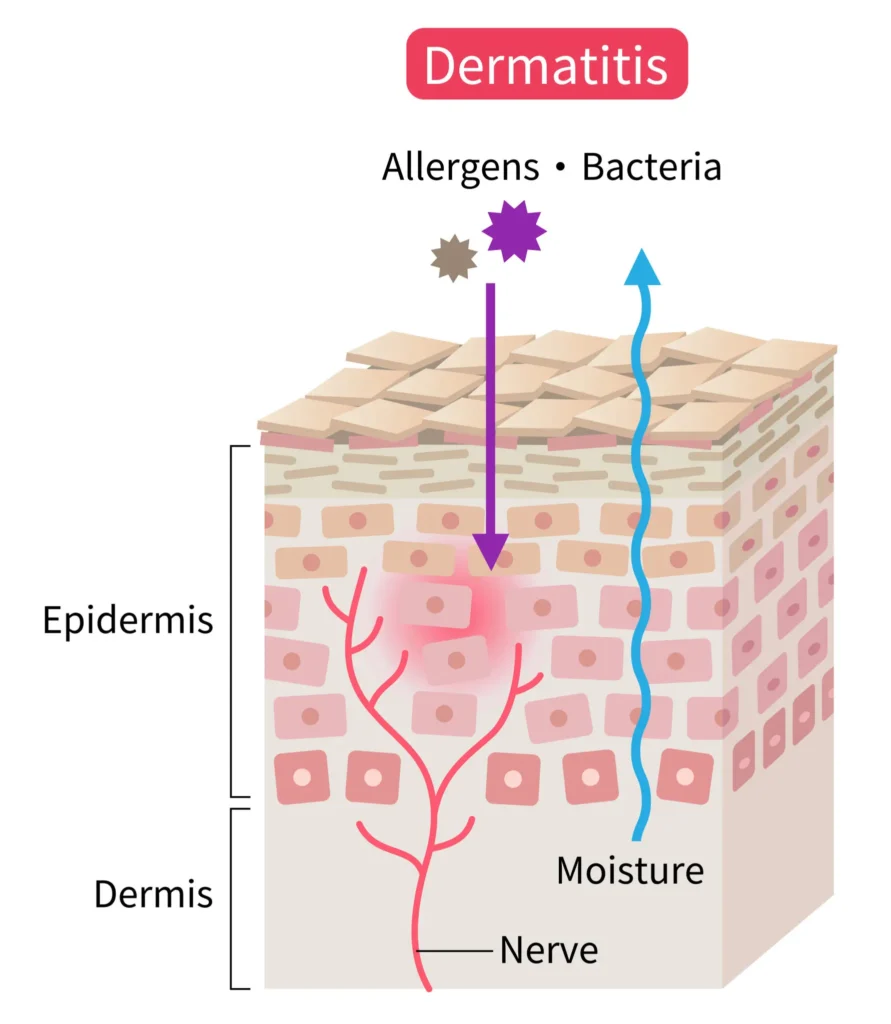
One of the most overlooked reasons pigmentation returns is post-treatment barrier vulnerability.
Many pigmentation treatments involve:
- Acids
- Retinoids
- Tyrosinase inhibitors
- Exfoliating agents
While effective, they can:
- Thin the stratum corneum
- Reduce lipid content
- Increase transepidermal water loss
When treatment stops abruptly:
- Barrier recovery is incomplete
- Skin becomes reactive
- Subclinical inflammation increases
Inflammation is one of the strongest drivers of melanocyte activation.
(Learn: skin barrier repair for pigmentation-prone skin)
Why “Stopping Everything” Is the Worst Thing You Can Do
Patients often stop treatment because:
- Skin looks clear
- Irritation has settled
- They fear dependency
Unfortunately, stopping everything at once creates a biological vacuum.
What disappears:
- Anti-inflammatory signals
- Pigment suppression
- Barrier support
What remains:
- Sensitized melanocytes
- Environmental triggers
- Daily friction, heat, and light exposure
Pigmentation doesn’t rebound immediately — it returns gradually, making the cause harder to identify.
Maintenance Therapy vs Active Treatment: The Critical Difference
Active treatment aims to:
- Reduce visible pigmentation
- Suppress melanin production
- Accelerate cell turnover
Maintenance therapy aims to:
- Keep melanocytes calm
- Support barrier resilience
- Reduce inflammation
- Prevent reactivation
These are not the same goals — and using active treatments long-term is not always appropriate.
Dr. Faiza Shams emphasizes:
“Maintenance therapy is gentler, slower, and far more strategic. It is what keeps pigmentation from coming back — not what clears it initially.”
Common Triggers That Reactivate Pigmentation After Stopping Treatment
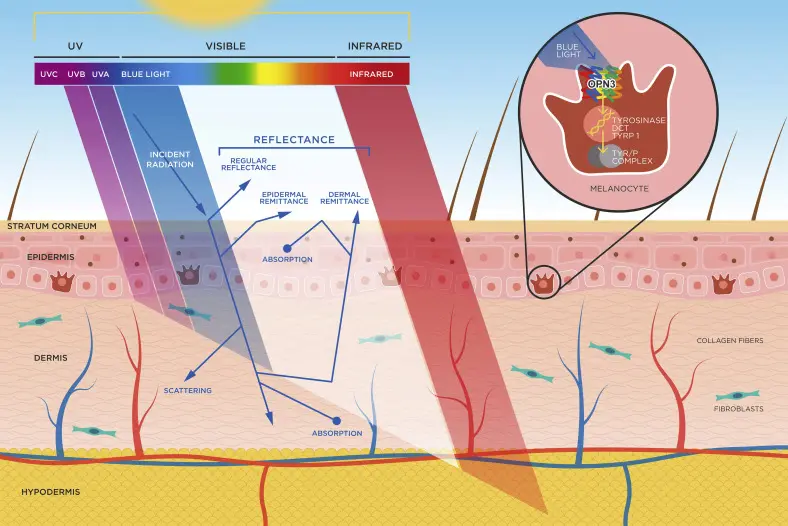
Even with good results, pigmentation can return due to hidden daily triggers.
1. Heat Exposure (Even Without Sun)
- Cooking
- Hot showers
- Summer humidity
Heat alone can stimulate melanocytes — especially in previously pigmented skin.
(Learn: why pigmentation gets worse in summer and heat)
2. Visible Light Exposure Indoors
- Screens
- Artificial lighting
Without continued protection, visible light can maintain pigment activity.
(Learn: visible light pigmentation)
3. Friction and Mechanical Stress
- Face masks
- Rubbing
- Aggressive cleansing
Friction causes micro-inflammation that often goes unnoticed.
4. Barrier Regression
Stopping ceramides, cholesterol, and fatty acids too soon can:
- Increase sensitivity
- Reduce pigment control
(Learn: skin barrier dysfunction vs compromised skin barrier)
5. Hormonal Fluctuations
- Stress
- Menstrual cycles
- Thyroid changes
Hormonal signals can reawaken pigment pathways even months later.
(Learn: hormonal pigmentation)
Why Sunscreen Alone Is Not Enough After Treatment
Sunscreen is essential — but it is not a complete maintenance strategy.
Even with perfect sunscreen use:
- Heat
- Visible light
- Inflammation
- Barrier damage
can continue to activate melanocytes.
Pigmentation relapse often happens despite compliance, not because of neglect.
(Learn: iron oxide sunscreens)
How to Prevent Pigmentation From Returning: A Long-Term Strategy
Preventing relapse requires a shift in mindset:
From treatment → regulation
Step 1: Gradual De-Escalation, Not Abrupt Stopping
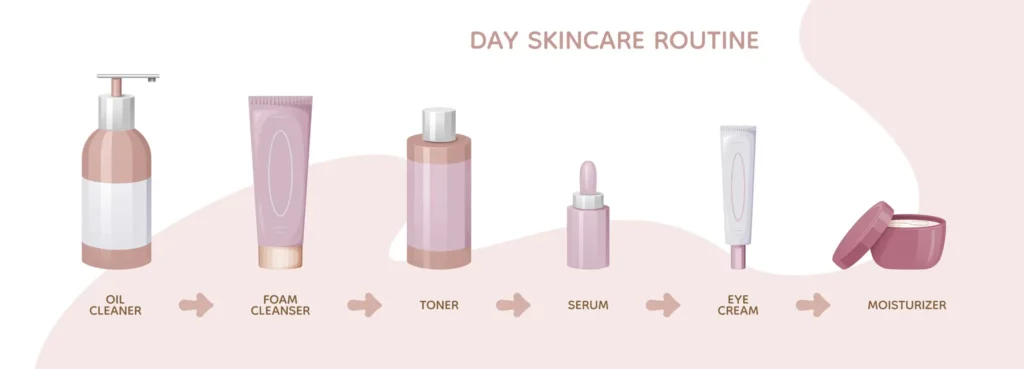
Reduce actives slowly while introducing:
- Barrier-repair products
- Anti-inflammatory ingredients
Step 2: Maintain Low-Level Pigment Suppression
This may include:
- Intermittent use of pigment regulators
- Gentle antioxidants
- Non-irritating brighteners
Not daily — but consistently.
Step 3: Prioritize Barrier Integrity
A resilient barrier:
- Reduces inflammation
- Buffers environmental triggers
- Keeps melanocytes calm
(Learn: barrier repair skincare)
Step 4: Treat Maintenance as Non-Negotiable
Pigmentation-prone skin requires:
- Ongoing care
- Seasonal adjustments
- Long-term planning
Dr. Faiza Shams explains:
“Pigmentation should be managed like a chronic condition — controlled, not chased.”
Why Pigmentation Relapse Is More Common in South Asian Skin
In South Asian and Pakistani skin:
- Melanocytes are more reactive
- Inflammation produces more pigment
- Heat and humidity amplify triggers
This makes maintenance even more critical.
(Learn: why pigmentation is harder to treat in Pakistan)
The Psychological Impact of Pigmentation Relapse
Relapse often causes:
- Frustration
- Loss of trust in treatment
- Skincare fatigue
Understanding that relapse is biological, not personal failure, helps patients stay consistent instead of abandoning care altogether.
Final Thoughts: Pigmentation Control Is a Process, Not an Endpoint
Pigmentation returning after stopping treatment does not mean:
- Your skin failed
- The treatment was useless
- Pigmentation is untreatable
It means the skin was improved — but not stabilized.
With the right maintenance strategy, pigmentation can remain controlled for years — not weeks.
Dr. Faiza Shams concludes:
“The goal is not perfect skin for a month. The goal is calm, resilient skin that does not keep relapsing.”
FAQ
1. How long should I continue maintenance skincare after pigmentation treatment?
There is no fixed timeline, because pigmentation-prone skin behaves like a chronic condition rather than a one-time problem. Most dermatologists recommend long-term, low-intensity maintenance even after visible pigmentation clears. Stopping maintenance too early increases the risk of relapse, especially in individuals with reactive melanocytes, barrier weakness, or a history of melasma or post-inflammatory hyperpigmentation.
2. Can pigmentation return even if I use sunscreen regularly?
Yes. While sunscreen is essential, it does not fully protect against heat, visible light, friction, inflammation, or hormonal triggers, all of which can reactivate melanocytes. Pigmentation often returns despite good sunscreen use when barrier health and inflammatory control are neglected after treatment ends.
3. Is it normal for pigmentation to come back faster the second time?
Yes, and this is a well-recognized phenomenon. Once melanocytes have been repeatedly activated, they become more sensitive and easier to trigger — a process often described as melanocyte memory. This is why early maintenance and gradual de-escalation of treatment are far more effective than repeatedly stopping and restarting aggressive pigmentation therapies.
Address: Block C, Punjab University Employees Housing Scheme Phase-II, Lahore, Pakistan
Contact Number: +923224563810