Pigmentation Treatment Plateau, A Complete Guide
Table of Contents
Introduction: When Progress Stops Without Warning
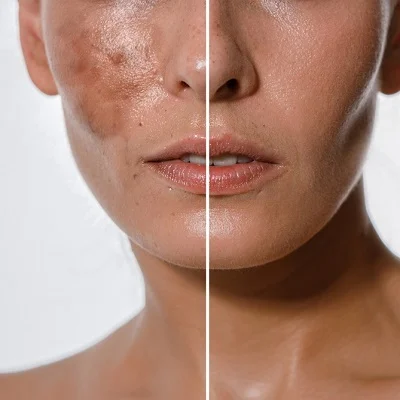
One of the most confusing experiences for people treating pigmentation is this: the skin improves, dark patches lighten, tone looks more even—and then everything stops. The pigmentation does not worsen, but it does not continue to fade either, often due to persistent low-grade inflammation beneath the skin surface that keeps pigment-producing pathways quietly active.
Patients often assume their treatment has failed, their skin has become “resistant,” or that they need something stronger. In reality, a pigmentation plateau is not a failure. It is a predictable biological phase that occurs when deeper drivers of pigment activity remain unaddressed.
Understanding why Pigmentation Treatment Plateau is essential for preventing overtreatment, irritation, and relapse.
A Plateau Is Not the Same as Treatment Failure
When Pigmentation Treatment Plateau fail, there is usually no meaningful improvement at all. A plateau is different. Some pigment clears, but residual discoloration persists despite consistency.
This distinction matters because:
- Failure requires a strategy change
- Plateaus require a strategy shift, not escalation
Most people respond incorrectly by increasing exfoliation, adding more actives, or switching products too frequently—actions that often worsen outcomes.
Early Improvement Targets Superficial Pigment First
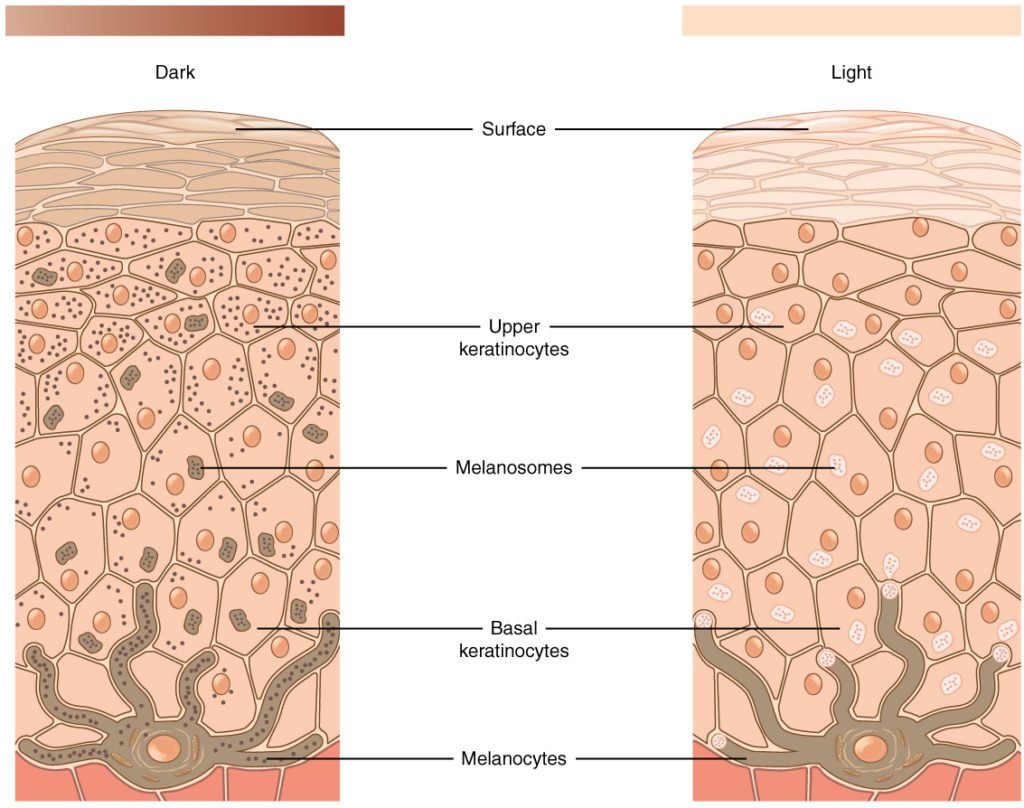
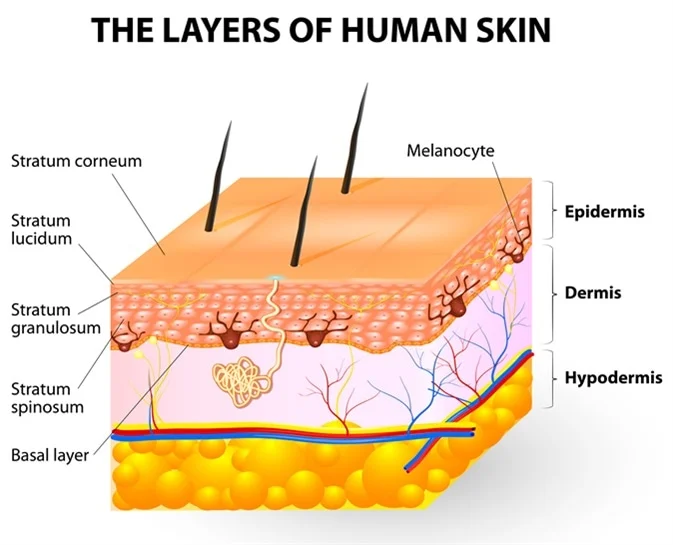
The initial improvement seen with pigmentation treatment usually reflects clearance of epidermal pigment, which responds faster to topical agents and gentle renewal.
Deeper or more stable pigment—especially that driven by inflammation, photodamage, or melanocyte memory—does not respond at the same pace.
Once superficial pigment clears, progress appears to stop, even though deeper processes are still active.
Persistent Inflammation Keeps Melanocytes Active
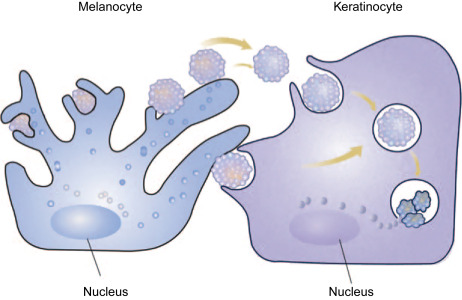
Low-grade, ongoing inflammation is one of the most common reasons pigmentation plateaus.
Even when skin looks calm, microscopic inflammation can persist due to:
- Environmental exposure
- Barrier disruption
- Heat
- Previous irritation
A 2024 review in Experimental Dermatology confirmed that inflammatory mediators can sustain melanocyte activity even in clinically normal skin.
Dr. Faiza Shams explains: “When pigmentation stops improving, inflammation is usually still present—it’s just no longer visible.”
Melanocyte Memory Limits Further Improvement
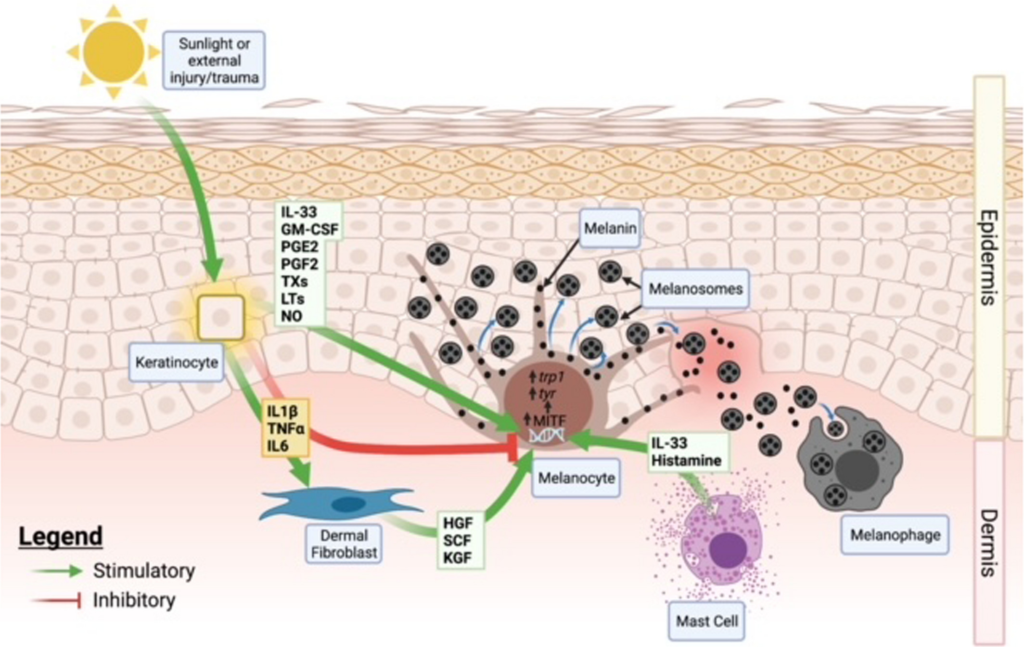
Melanocytes exposed repeatedly to UV, heat, or inflammation undergo long-term functional changes. This phenomenon—known as melanocyte memory—means these cells remain hyper-responsive even after pigment reduction.
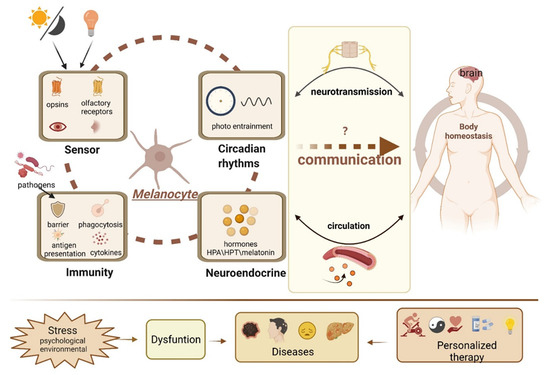
As a result, pigment production slows but does not fully normalize, creating a plateau.
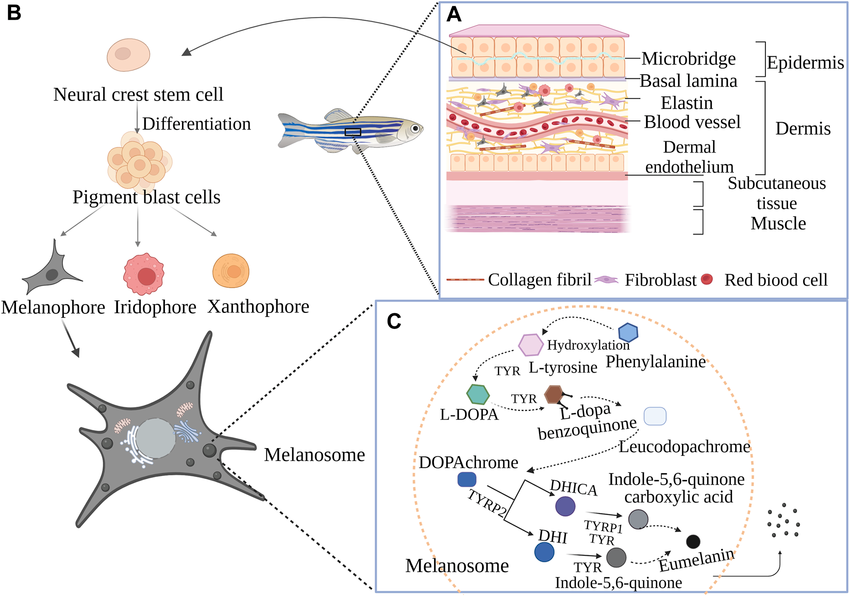
A 2025 epigenetic study in Journal of Investigative Dermatology demonstrated persistent gene-expression changes in melanocytes following repeated environmental stress.
Ongoing Photodamage Cancels Progress
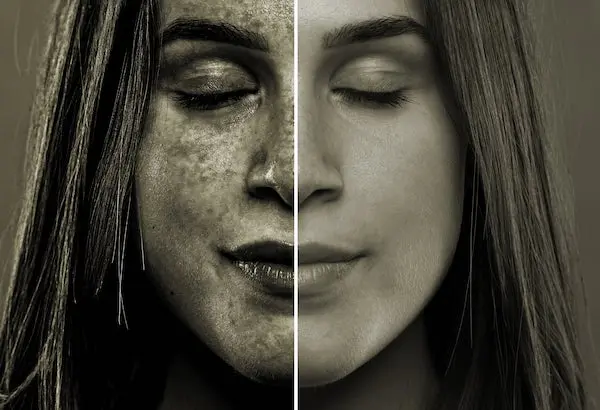
Photodamage does not stop just because treatment begins. Daily exposure to UV, visible light, heat, and pollution continues to stimulate pigment pathways.
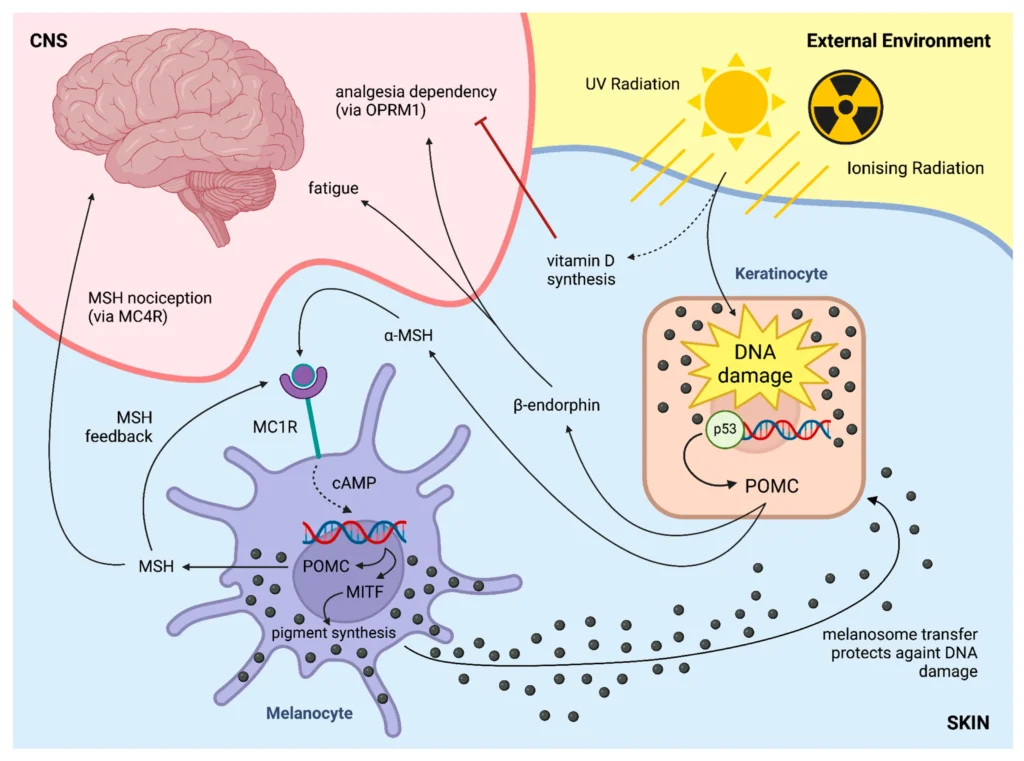
In early stages, treatment outpaces damage. Over time, the balance equalizes—leading to stalled improvement.

This is especially common in climates with high year-round UV and heat exposure.
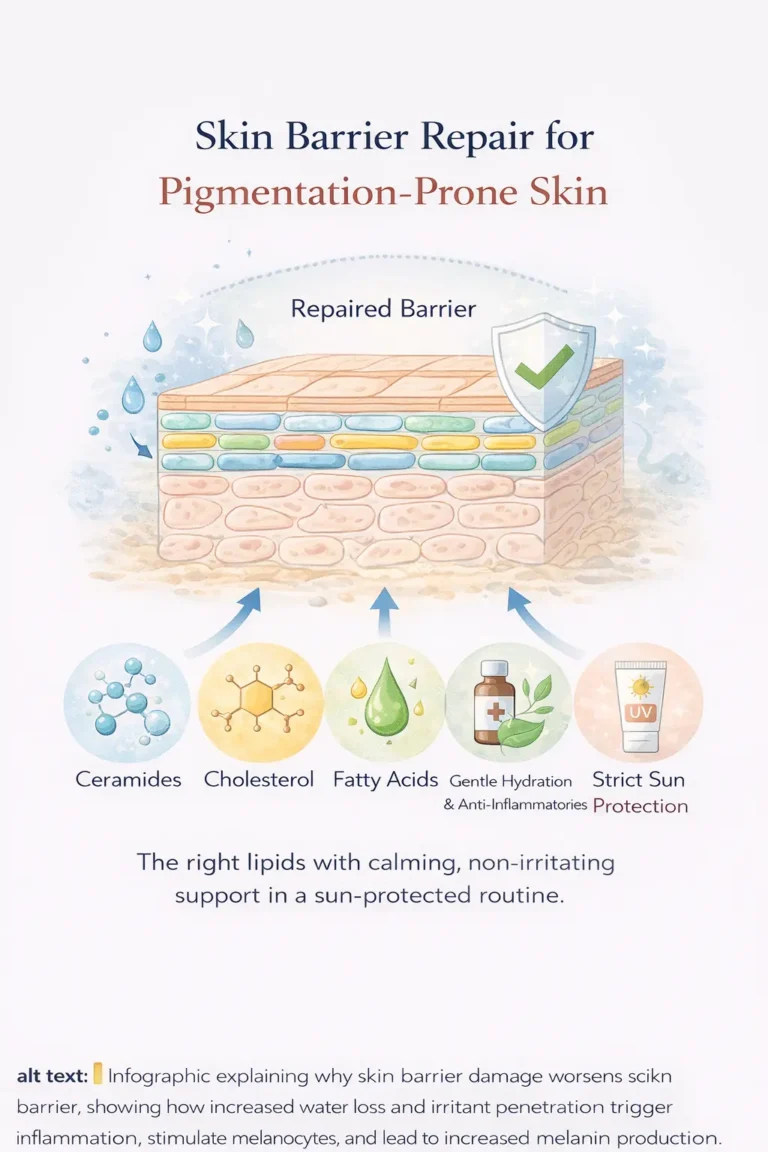
Barrier Damage Prevents Deeper Recovery
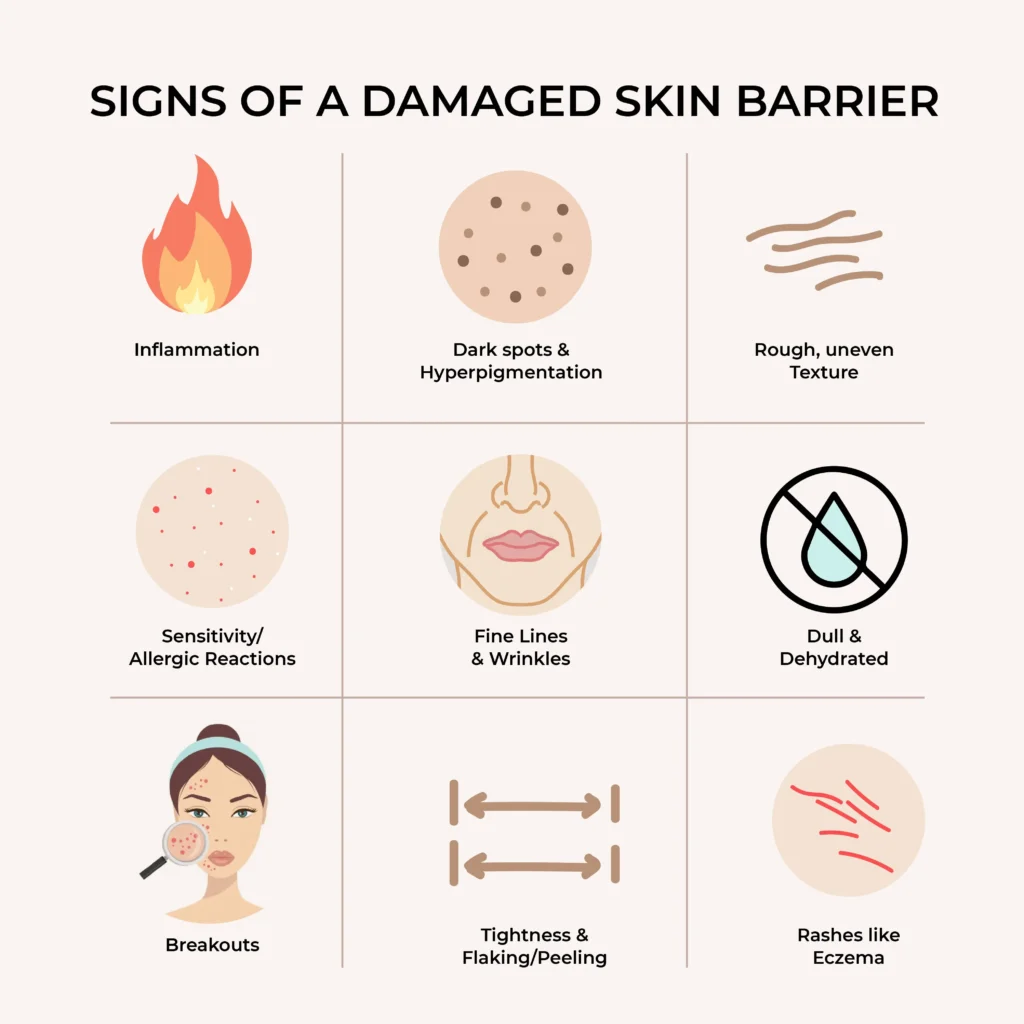
A compromised skin barrier limits how effectively the skin can regulate inflammation and repair itself.
Barrier damage:
- Prolongs recovery
- Increases sensitivity
- Maintains inflammatory signaling
A 2024 clinical review in Clinical, Cosmetic and Investigational Dermatology found that barrier-focused regimens improved pigment stability and prevented plateaus more effectively than pigment-suppressing routines alone.
Dr. Faiza Shams notes: “You cannot push pigmentation past a plateau if the barrier is still broken.”
Why Increasing Strength Often Makes Things Worse
When progress stalls, many people respond by:
- Increasing acid frequency
- Adding stronger brightening agents
- Layering multiple actives
This often triggers irritation, barrier disruption, and rebound pigmentation—undoing prior gains.
Plateaus are not overcome through aggression. They are resolved through stabilization.
How to Break a Pigmentation Treatment Plateau Safely
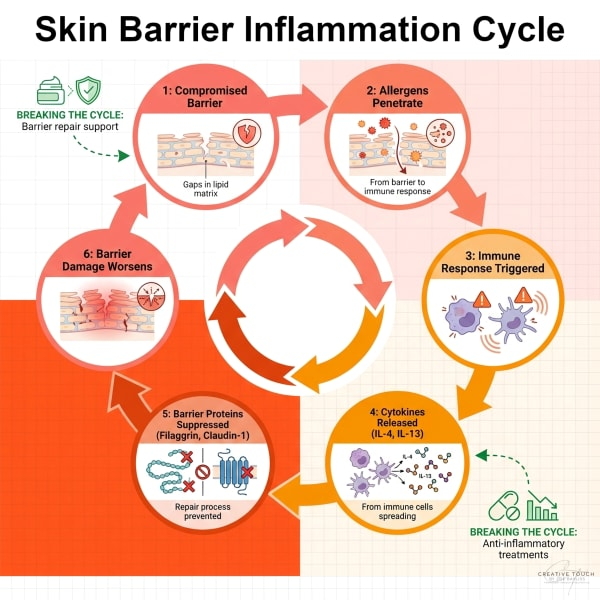
Breaking a plateau requires addressing what remains active beneath the surface:
- Reduce inflammation, even if skin looks calm
- Strengthen the skin barrier to support recovery
- Maintain consistent protection against UV, visible light, and heat
- Allow time for deeper pigment normalization
Gentle regulation, not escalation, leads to renewed progress.
When a Pigmentation Treatment Plateau Is Actually Normal
Some degree of residual pigment may represent the skin’s baseline response to cumulative damage. Complete clearance is not always realistic or necessary.
Understanding this prevents overtreatment and preserves long-term skin health.
Final Thoughts: Plateaus Are Part of the Process
Pigmentation does not fade in a straight line. Plateaus are a biological pause—not a sign to panic or overcorrect.
When treatment respects inflammation, barrier health, and melanocyte behavior, progress resumes gradually and more sustainably.
As Dr. Faiza Shams summarizes: “The goal is not to chase perfection, but to guide the skin back to stability.”
FAQ
Why did my pigmentation stop improving?
Because deeper inflammatory or photodamage-driven triggers are still active.
Should I switch products if progress stalls?
Not immediately. Plateaus usually require calming and barrier repair, not stronger actives.
Can pigmentation improve again after a plateau?
Yes. With proper stabilization, gradual improvement often resumes over time.
Address: Block C, Punjab University Employees Housing Scheme Phase-II, Lahore, Pakistan
Contact Number: +923224563810