Regenerative Skincare: The Science-Backed Future of Youthful Skin
Table of Contents
Introduction: Why Regenerative Skincare Is Redefining Anti-Aging
For decades, anti-aging skincare focused on one goal: making skin look younger.
Today, that narrative is shifting.
Modern skincare consumers are no longer chasing quick fixes. Instead, they are searching for long-term skin health, cellular repair, and prevention of aging at the biological level. This evolution has given rise to one of the most powerful movements in dermatology and cosmetic science: regenerative & longevity-focused skincare.
Search interest in terms like skin regeneration, cellular anti-aging, and longevity skincare has surged as people begin to understand that youthful skin is not just about surface correction—it’s about how skin cells function, repair, and communicate over time.
This article breaks down:
- What regenerative skincare really means
- The science behind skin longevity
- Key ingredients driving this trend
- How barrier repair, peptides, and exosomes fit into the future
- What actually works vs marketing hype
What Is Regenerative & Longevity-Focused Skincare?
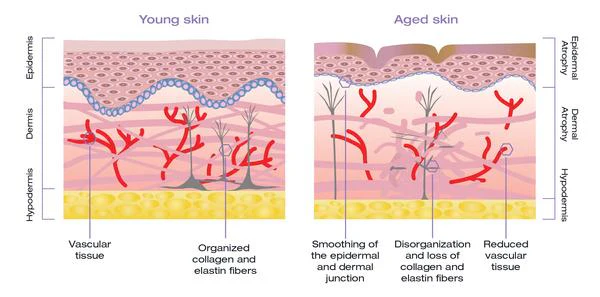
Regenerative skincare refers to formulations and treatments designed to support the skin’s natural ability to repair, renew, and protect itself at a cellular level.
Longevity-focused skincare, on the other hand, is about slowing biological skin aging, not just masking wrinkles or pigmentation.
Together, they focus on:
- Enhancing cellular repair mechanisms
- Improving skin resilience and barrier integrity
- Supporting collagen, elastin, and extracellular matrix health
- Reducing chronic inflammation and oxidative stress
Unlike traditional anti-aging products that rely heavily on exfoliation or instant plumping, regenerative skincare works with skin biology, not against it.
Understanding Skin Aging at the Cellular Level
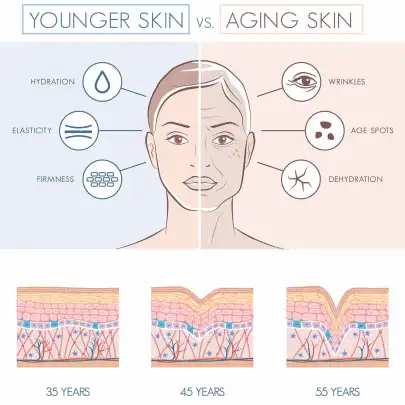
To understand why regenerative skincare matters, we need to understand how skin actually ages.
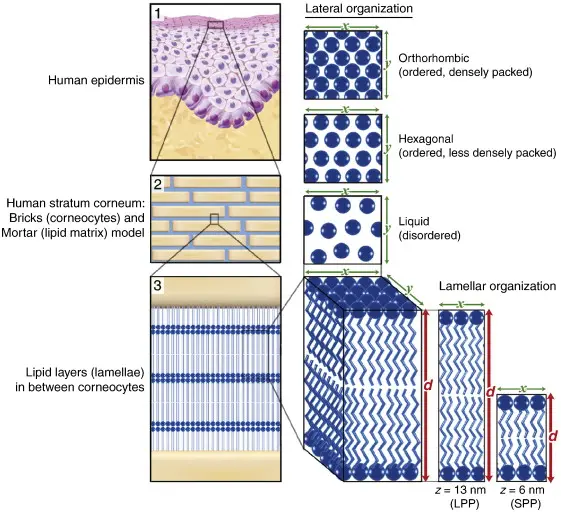
Key Drivers of Skin Aging
- Cellular senescence
Aging skin cells lose their ability to divide and repair properly. - Decline in collagen and elastin production
Fibroblast activity slows down with age. - Oxidative stress
UV radiation, pollution, and visible light generate free radicals that damage DNA. - Chronic low-grade inflammation (inflammaging)
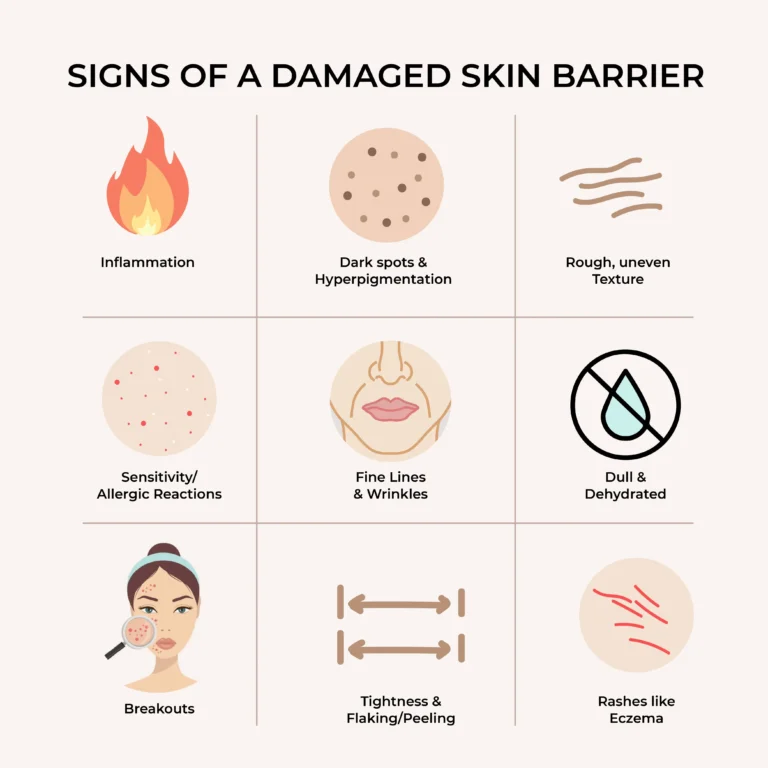
Persistent inflammation accelerates pigmentation, wrinkles, and barrier dysfunction. - Barrier impairment
A weakened skin barrier leads to water loss, sensitivity, and accelerated aging.
Regenerative skincare targets these mechanisms rather than simply treating visible symptoms.
Why Longevity Skincare Is Overtaking Traditional Anti-Aging
The global skincare industry is undergoing a philosophical shift.
Consumers now ask:
- “How can I keep my skin healthy for decades?”
- “How do I protect my skin cells, not just smooth wrinkles?”
Longevity Skincare Focuses On:
- Prevention over correction
- Skin resilience over temporary glow
- Barrier health over aggressive exfoliation
This explains the rise in searches for:
- barrier repair skincare
- anti-inflammatory skincare routine
- skin longevity ingredients
Key Pillars of Regenerative & Longevity-Focused Skincare
1. Skin Barrier Repair: The Foundation of Regeneration
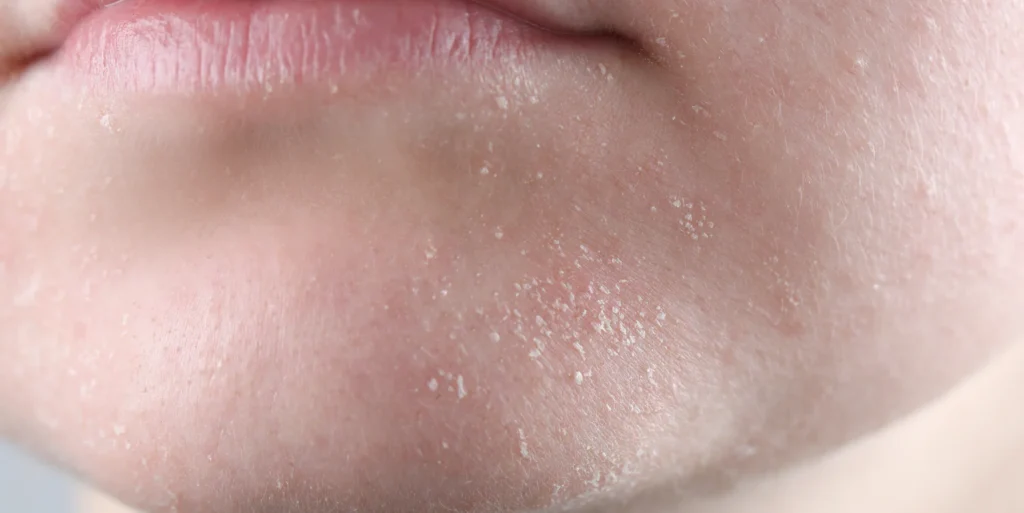
A healthy skin barrier is essential for skin regeneration.
When the barrier is compromised:
- Inflammation increases
- Pigmentation worsens
- Anti-aging treatments become less effective
Barrier-repair ingredients with high search demand include:
- Ceramides
- Cholesterol
- Fatty acids
- Panthenol
- Niacinamide
Barrier-first skincare is now considered non-negotiable in longevity routines.
“Healthy aging skin starts with barrier protection. Without it, no active ingredient can function optimally.”
— Dr. Faiza Shams, Consultant Dermatologist
2. Peptides: Cellular Messengers for Skin Renewal
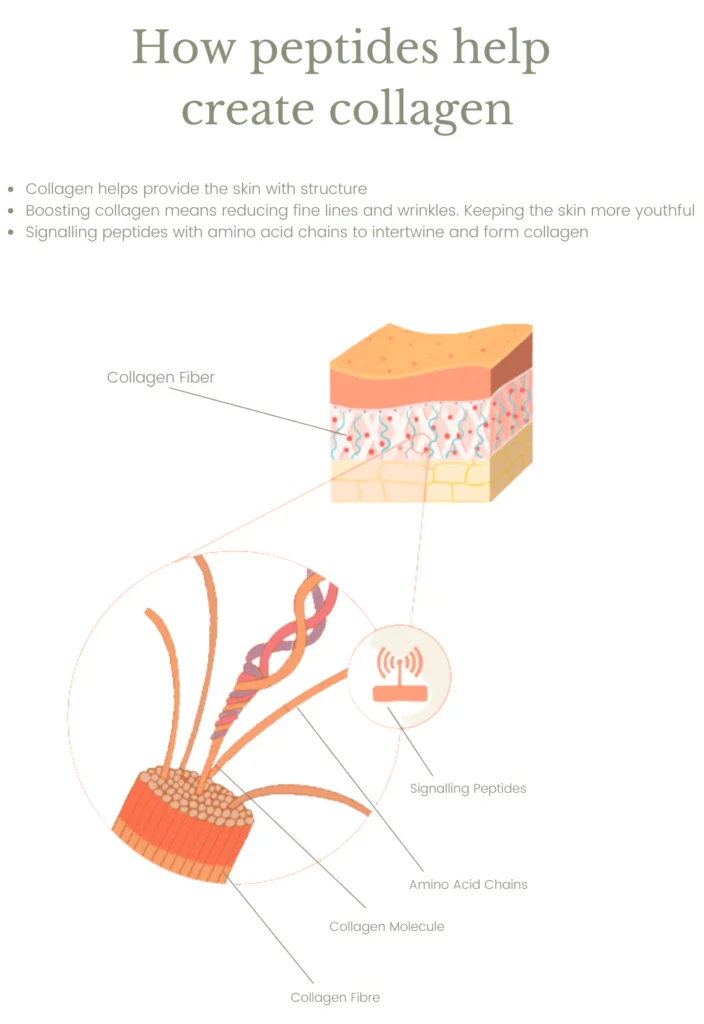
Peptides are short chains of amino acids that act as cell-signaling molecules.
In regenerative skincare, peptides:
- Stimulate collagen and elastin production
- Improve skin firmness and elasticity
- Support wound healing and repair
High-search peptide categories include:
- Signal peptides
- Carrier peptides
- Enzyme-inhibiting peptides
Unlike harsh actives, peptides are well-tolerated, making them ideal for long-term skin longevity.
3. Exosomes & Growth-Factor-Inspired Skincare
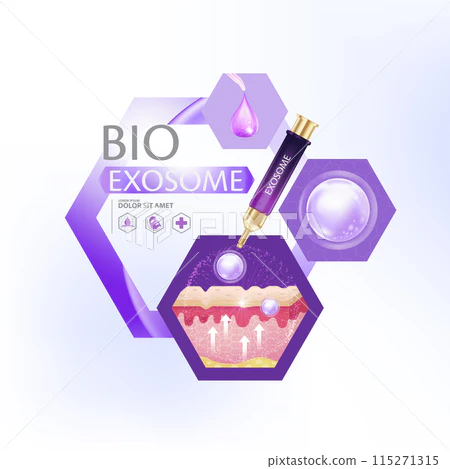
One of the fastest-growing search terms in regenerative skincare is exosomes.
Exosomes are nano-sized extracellular vesicles involved in:
- Cell-to-cell communication
- Tissue repair
- Inflammation modulation
In dermatology, exosome-inspired formulations aim to:
- Enhance skin repair pathways
- Improve texture and tone
- Support post-procedure recovery
While true medical-grade exosome therapies remain clinical, topical skincare is evolving to mimic these regenerative signals safely.
4. Anti-Inflammatory & Antioxidant Defense
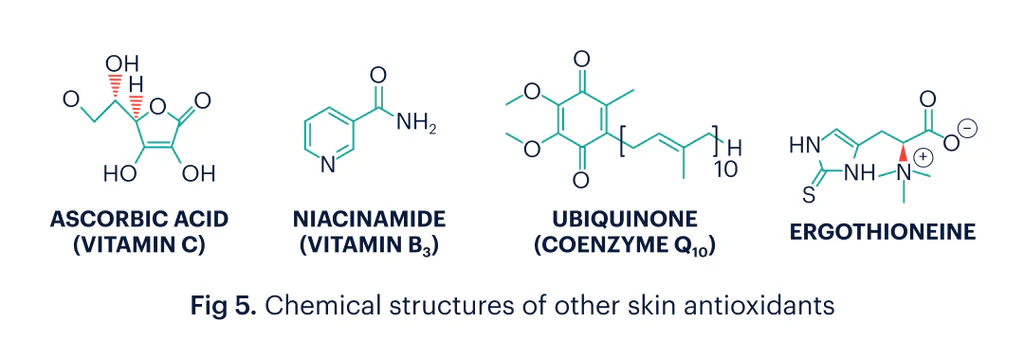
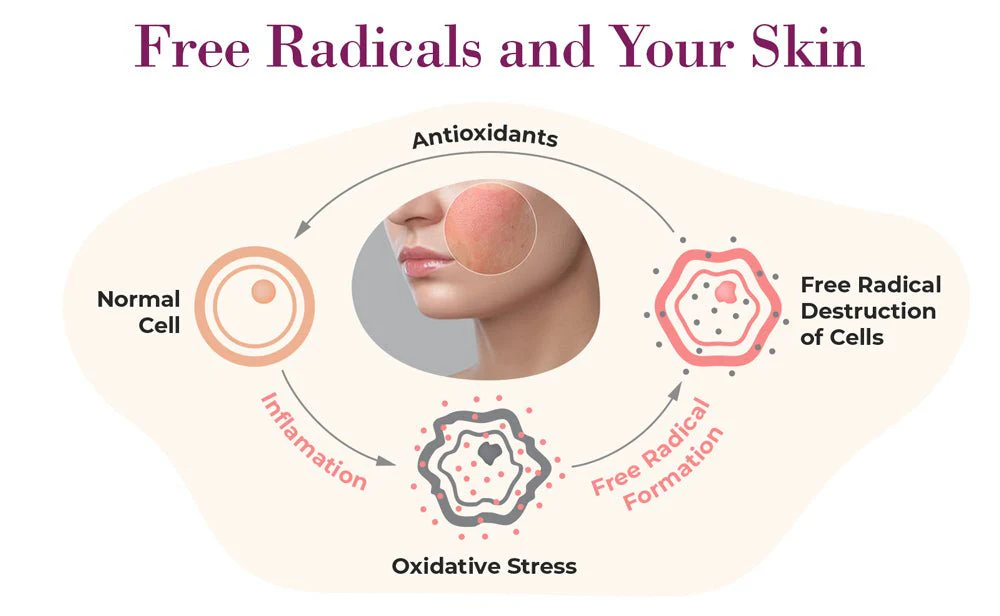
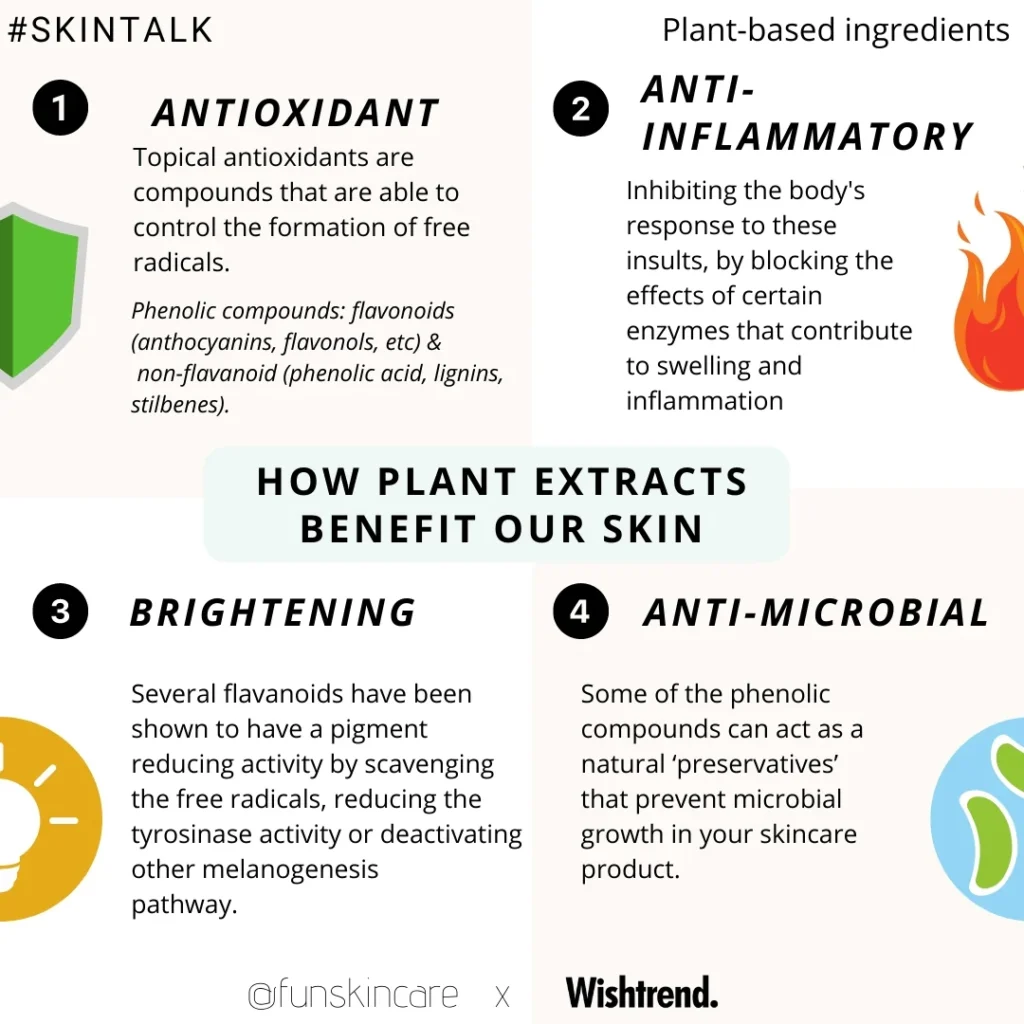
Longevity skincare prioritizes inflammation control.
Popular high-volume ingredients include:
- Vitamin C
- Green tea polyphenols
- Resveratrol
- Centella asiatica
- Ectoin
Reducing inflammation helps:
- Slow collagen degradation
- Prevent pigmentation disorders
- Improve long-term skin resilience
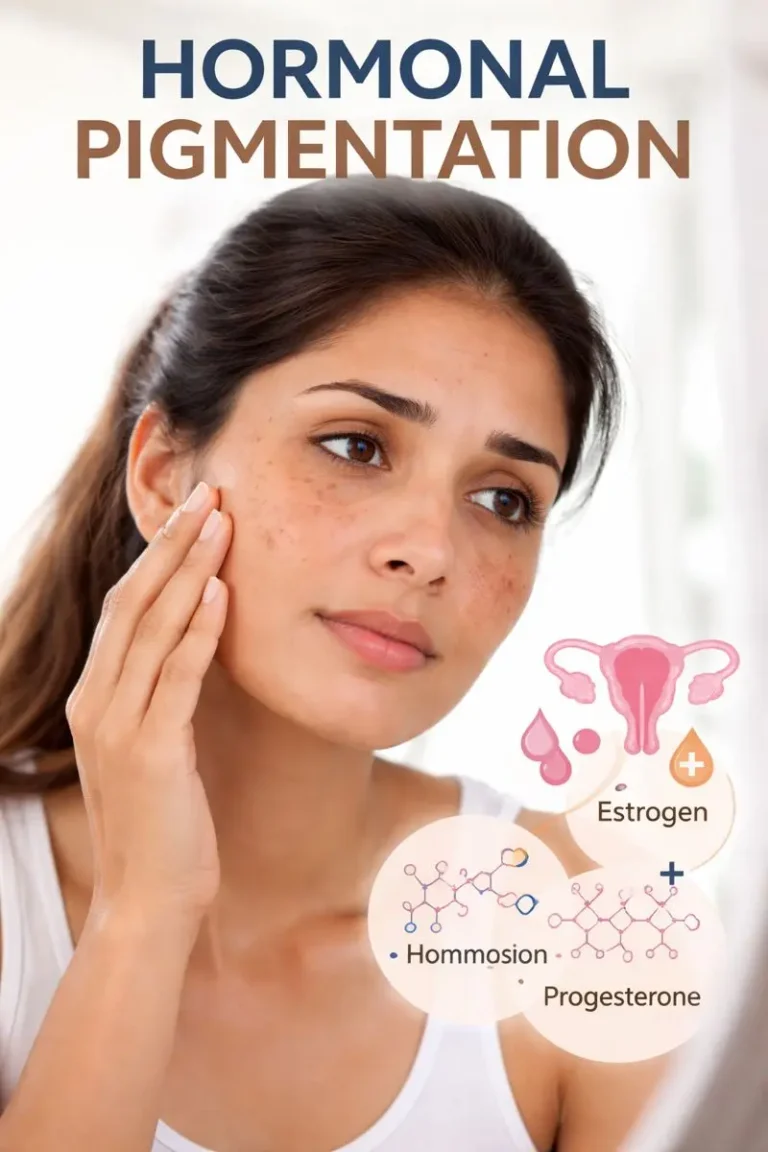
Lear more on chronic inflammation and hyperpigmentation.
Regenerative Skincare vs Traditional Anti-Aging: Key Differences
| Traditional Anti-Aging | Regenerative & Longevity Skincare |
|---|---|
| Focus on wrinkles | Focus on skin health |
| Aggressive exfoliation | Barrier preservation |
| Short-term results | Long-term prevention |
| Surface correction | Cellular support |
This explains why consumers are moving away from over-exfoliation and toward repair-based routines.
How to Build a Longevity-Focused Skincare Routine
Morning Routine (Protection & Defense)
- Gentle cleanser
- Antioxidant serum (vitamin C or polyphenols)
- Barrier-repair moisturizer
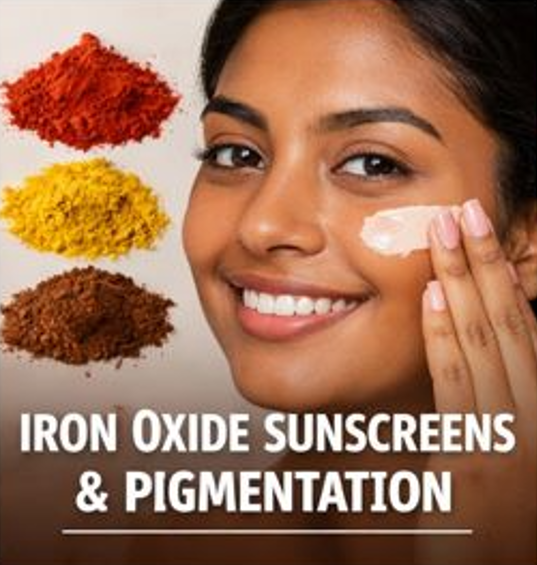
- Broad-spectrum sunscreen (iron oxide preferred for pigmentation-prone skin)
Learn more on visible light and pigmentation damage.
Evening Routine (Repair & Regeneration)
- Non-stripping cleanser
- Peptide or regenerative serum
- Barrier-restoring moisturizer
- Optional retinoid (used cautiously, not aggressively)
“Longevity skincare is about consistency, not intensity. Over-treating the skin accelerates aging rather than preventing it.”
— Dr. Faiza Shams
The Role of Lifestyle in Skin Longevity
Even the best regenerative skincare cannot work in isolation.
Longevity skin health is influenced by:
- Sleep quality
- Nutrition (antioxidant-rich diet)
- Stress management
- UV and visible light protection
Searches for holistic skin longevity reflect growing awareness that skincare is part of a larger biological system.
What the Research Says About Skin Regeneration
Recent dermatology and cosmetic science research highlights:
- The importance of fibroblast preservation
- Reduced inflammation as a key anti-aging strategy
- Barrier-first approaches improving treatment outcomes
Clinical evidence increasingly supports preventative, regenerative skincare rather than aggressive correction.
Future of Regenerative Skincare: What’s Next?
Expect continued growth in:
- Biomimetic peptides
- Microbiome-supportive formulations
- Post-procedure regenerative skincare
- Longevity-focused clinical treatments
The future of skincare lies in helping skin function better for longer, not forcing it to look younger overnight.
Final Thoughts: Is Regenerative Skincare Worth the Hype?
Regenerative & longevity-focused skincare is not a passing trend—it’s a scientific evolution.
By prioritizing:
- Skin barrier health
- Cellular communication
- Inflammation control
- Long-term prevention
This approach offers a smarter, safer, and more sustainable path to youthful skin.
True skin longevity is not about reversing time.
It’s about aging better, slower, and healthier.
FAQS
1: What is regenerative skincare?
Regenerative skincare focuses on supporting the skin’s natural repair processes at a cellular level. It aims to improve skin health, resilience, and aging from within rather than providing only temporary cosmetic results.
2: How is longevity skincare different from anti-aging skincare?
Longevity skincare targets long-term skin health by protecting the skin barrier, reducing inflammation, and supporting cellular function, while traditional anti-aging skincare mainly focuses on reducing wrinkles and fine lines.
3: Do peptides really help with skin regeneration?
Yes. Peptides act as signaling molecules that stimulate collagen production, improve skin elasticity, and support repair mechanisms, making them a key ingredient in regenerative skincare routines.
4: Is regenerative skincare safe for sensitive skin?
Most regenerative skincare products are designed to be barrier-friendly and anti-inflammatory, making them suitable for sensitive skin when formulated without harsh exfoliants or irritants.
5: How long does regenerative skincare take to show results?
Regenerative skincare delivers gradual, long-term improvements. Visible changes in skin texture and resilience typically appear within 6–12 weeks with consistent use.
Address: Block C, Punjab University Employees Housing Scheme Phase-II, Lahore, Pakistan
Contact Number: +923224563810