Dermatologist’s Ultimate Sunscreen Guide for Pakistani Skin: Best SPF for Dark Spots, Melasma & Sun Protection
Table of Contents
- Introduction: Why Sun Protection Matters for Pakistani Skin Types
- The Science of Sunlight: How UV Rays Affect Pigmentation and Skin Health
- Vitamin D Deficiency in South Asians and Safe Sun Exposure Guidelines
- Understanding Seasonal Affective Disorder and Sunlight Benefits
- Antioxidant-Rich Foods for Natural Sun Protection and Glowing Skin
- Best Dietary Antioxidants for Preventing Sun Damage in Pakistani Climate
- Hats, Umbrellas, and Clothing: Physical Sun Protection Strategies
- Eye Protection and UV Damage Prevention for Long-Term Eye Health
- Why Sunscreen Is Essential for Preventing Melasma and Dark Spots
- SPF Explained: How Much SPF You Need for Pakistani UV Index
- Choosing the Right Sunscreen for Oily, Dry, and Acne-Prone Skin
- Chemical vs Mineral Sunscreen: Safe Sunscreen Filters for Daily Use
- Step-by-Step Guide: How to Apply Sunscreen Correctly
- Why Makeup With SPF Is Not Enough for Sun Protection
- Sunscreen Expiry Dates and How They Impact Skin Safety
- Best Lightweight, Non-Greasy Sunscreens for Pakistani Summers
- Sunscreen for Scalp, Hairline, and Lip Protection
- Balancing Vitamin D Levels While Wearing Sunscreen
- Dermatologist-Recommended Sunscreen Filters for Pakistani Skin
- Daily Sun Protection Routine for Preventing Melasma and Hyperpigmentation
- Common Sunscreen Myths and Facts
- Final Summary: How to Enjoy the Sun Safely and Maintain Healthy Skin
- FAQS
In Pakistan, sunlight is almost impossible to escape — and that’s not always a bad thing. While many people fear the sun for causing dark spots, pigmentation, premature aging, melasma, tanning, and free-radical damage, sunlight also plays a crucial role in your mental and physical health. In fact, more than 70% of South Asians are vitamin D deficient, and controlled sunlight exposure is essential for maintaining hormonal balance, energy, immunity, and mood.
But striking this balance between health and protection requires strategy — not fear. As a dermatologist, I see two extremes every day:
❌ people avoiding sunlight completely, which worsens vitamin D deficiency
❌ people relying on sun exposure without sunscreen, which leads to pigmentation, melasma, and photoaging
This guide teaches you how to enjoy the sun wisely and use sunscreen like a professional — without harming your skin, your health, or the environment.
Why You Shouldn’t Fear the Sun (Short Science Lesson)
Sunlight regulates:
- Vitamin D synthesis (essential for immunity and bones)
- Melatonin, which impacts sleep
- Serotonin, the “happiness hormone,” reducing depression
- Immune modulation
- Skin barrier function
Vitamin D is technically not even a vitamin — it’s a hormone. And like all hormones, imbalance disrupts everything: mood, immunity, energy, metabolism, and even the risk of chronic diseases.
In northern hemisphere winters, people often experience Seasonal Affective Disorder (SAD) — winter depression caused by lack of sunlight. Treatment includes light therapy, controlled sun exposure, and vitamin D supplementation.
Bottom line: Sunlight is essential. UV damage is optional — only if you protect your skin correctly.
1. Load Up on Antioxidants: Your Internal Sunscreen
Antioxidants neutralize the free radicals produced by UV exposure. These free radicals damage collagen, accelerate aging, deepen pigmentation, and cause long-term inflammation.

Best Antioxidant-Rich Foods for Sun Protection (Pakistan-Friendly List):
- Grapes (rich in resveratrol)
- Berries
- Oranges & citrus fruits
- Pomegranates
- Green tea
- Walnuts
- Almonds
- Beans & lentils
- Fatty fish
- Whole grains
Supplements:
Pharmaceutical-grade antioxidants like astaxanthin, vitamin C, vitamin E, and green-tea–based nutraceuticals help reduce UV-induced oxidative damage.
2. Hats & Umbrellas Are Your First Layer of Defence
You will get sufficient sunlight for vitamin D even without exposing your skin directly. UV rays reflect off surfaces, penetrate clouds, and reach you even indoors.
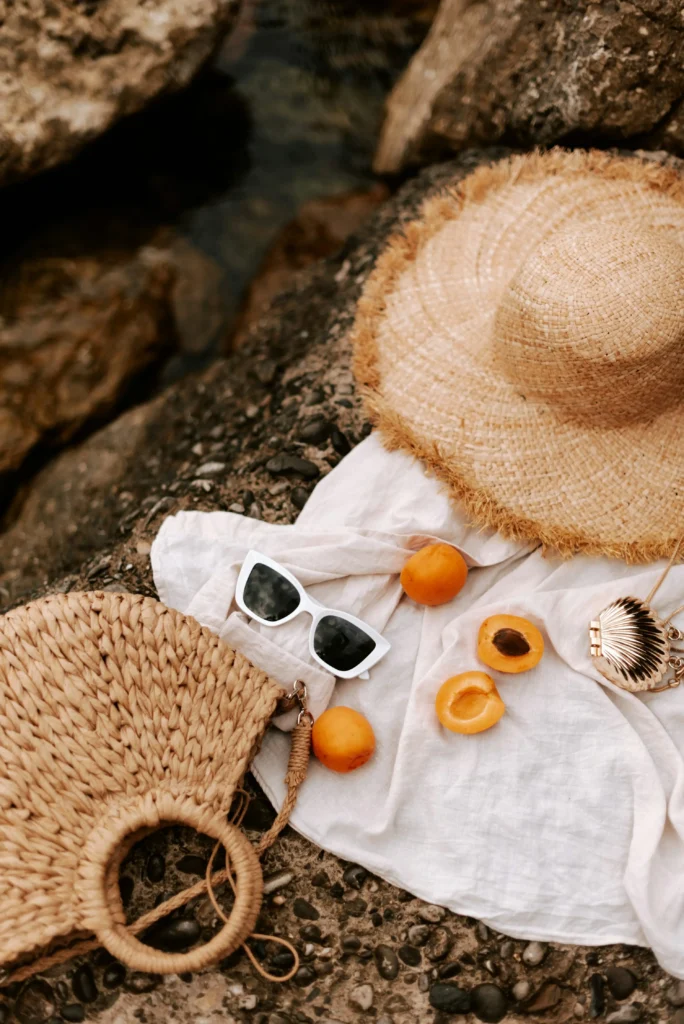
Best practices for UV protection in Pakistan:
- Wear wide-brimmed hats (4-inch brims)
- Use umbrellas during peak hours
- Prefer airy, full-sleeved clothing
- Avoid direct sun from 11 am to 4 pm
UV rays during Pakistani summers are extremely high, and even 15–20 minutes of exposure can cause damage in Fitzpatrick skin types III–V (common in South Asians).
3. Protect the Eyes: The Most Sensitive Skin on Your Body
The area around the eyes is prone to:
- Crow’s feet
- Tear trough pigmentation
- Wrinkles
- Dark circles
- UV-related aging
Best sunglasses are:
- Polarized
- UV 400–protected
- Wraparound styles
- Close-fitting frames
UV exposure increases the risk of:
- Cataracts
- Macular degeneration
- Pterygium (eye growth)
In Pakistan, where sunlight intensity is high year-round, eye protection is non-negotiable.
4. Sunscreen Is Essential (Dermatologist’s Updated Guidelines)
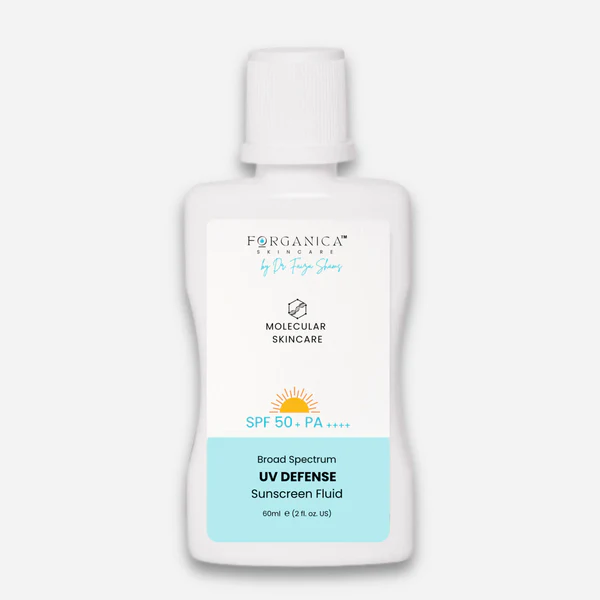
Daily sunscreen is your most reliable defense against:
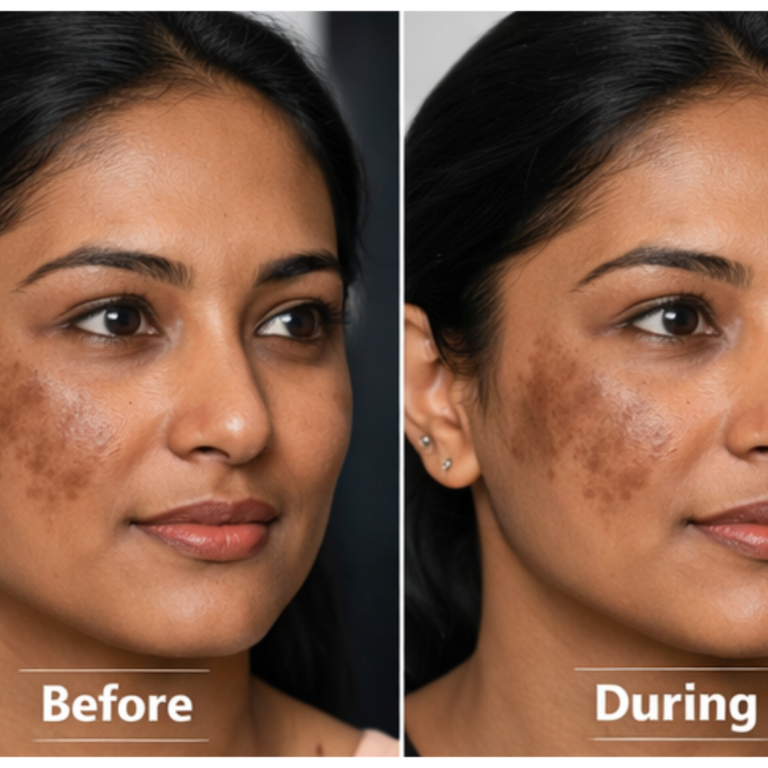
- Melasma
- Dark spots & hyperpigmentation
- Uneven tone
- Sunburn
- Photoaging
- Skin cancers
- Freckling
- Broken capillaries
But the type of sunscreen matters.
5. Understanding SPF (The Real Meaning of 15, 30, 50)
If your skin burns in 10 minutes without protection:
- SPF 15 = 150 minutes
- SPF 30 = 300 minutes
- SPF 50 = up to 500 minutes
But Pakistan’s UV index is high. Sweat, humidity, and pollution reduce the effective duration.
Dermatologist Recommendation for Pakistani Skin:
- Daily use: SPF 50 broad-spectrum
- Outdoor use: SPF 50+ water-resistant
- Reapply every 2–3 hours
SPF 15 and SPF 30 work, but only under low UV conditions, which is rare in our region.
6. Chemical vs. Mineral Sunscreen: What Works Best in Pakistan?
Avoid these harmful chemicals:
- Oxybenzone
- Octinoxate
- Avobenzone (unstable unless stabilized properly)
They can cause irritation, allergies, hormone disruption, and reef destruction.
Dermatologist-Preferred Filters:
Mineral / Physical Sunscreens:
- Zinc oxide
- Titanium dioxide
Modern UV Filters (safer, EU-approved):
- Tinosorb M
- Tinosorb S
- Uvinul A+
- Uvinul T 150
These are more stable and much safer for sensitive or acne-prone skin.
7. How to Apply Sunscreen Properly (Most People Get It Wrong)
Amount:
- Face + Neck: 1 teaspoon
- Body: One full shot-glass (30 ml)
Timing:
Apply sunscreen 20 minutes before going out and reapply every 2 hours.
Order in Routine:
- Cleanser
- Serum (optional)
- Moisturizer
- Sunscreen
- Makeup (if needed)
Sunscreen always goes last.
8. Why SPF Makeup Is NOT Enough
SPF-labeled foundations and compacts provide minimal protection.
You would need:
- 7× the amount of SPF compact
- 14× the amount of liquid foundation
Just to equal one layer of real sunscreen.
Makeup is NOT a sunscreen replacement.
9. Sunscreen Expiry Dates Matter (Seriously)
Expired sunscreens:
- Lose effectiveness
- Cause breakouts
- Lead to rashes
- Become unstable
- Increase sensitivity
- Fail to protect from UV rays
If you haven’t used your sunscreen since last summer — throw it away.
10. Non-Greasy Sunscreens: Perfect for Pakistani Summers
Old sunscreens were thick, white, and oily. Today’s formulations are much lighter.
Best textures for Pakistani skin:
- Gel sunscreens
- Water-based sunscreens
- Hybrid sunscreens
- Ultra-light fluid sunscreens
- Spray sunscreens (for body and reapplication)
Look for non-comedogenic, non-greasy, sweat-resistant formulas.
11. Don’t Forget Your Scalp
The parting line is a high-risk area for sunburn and skin cancer.
You can protect it by:
- Using spray sunscreens
- Wearing caps or scarves
- Using tinted hairline sunscreens (powders)
12. And Don’t Forget Your Lips
The lips have zero melanin protection.
Use:
- SPF 15 or higher lip balms
- Reapply every 1–2 hours
- Apply under lipstick for daytime protection
13. Vitamin D vs. Sunscreen: How Do You Balance Both?
You can maintain vitamin D levels without sacrificing your skin.
Best strategy:
- 10–20 minutes of morning sunlight on arms, legs, or torso
- Avoid exposing your face
- Use sunscreen on face and neck
- Consider vitamin D supplements if deficient (consult doctor)
This protects your skin while allowing sunlight absorption.
14. Dermatologist-Recommended Sunscreens in Pakistan (General Guidance)
Look for:
- Broad-spectrum (UVA + UVB)
- SPF 50
- Water-resistant
- Non-comedogenic
And filters like:
- Zinc oxide
- Titanium dioxide
- Tinosorb S/M
- Uvinul A+/T150
I can provide specific product names upon request.
Myths and Facts:
Myth 1: “Gora rang sirf sunscreen se hota hai.”
Fact: Sunscreen does not make you fair—it protects your natural skin tone. In Pakistan’s strong UV index, sunscreen prevents tanning, pigmentation, melasma, and premature aging. It keeps your complexion even, but it does not change your genetics or make you “white.”
Myth 2: “Sardiyon mein sunscreen ki zaroorat nahi hoti.”
Fact: Even in winter, Pakistan’s UV level stays high—especially in cities like Karachi, Lahore, and Islamabad. UV-A rays penetrate clouds and glass, causing wrinkles, dark spots, and long-term damage. So sunscreen is a year-round essential, not just a summer product.
15. Final Thoughts — Enjoy the Sun, But Protect Your Skin Intelligently
Sunscreen is not your enemy — improper use is.
To enjoy sunlight safely:
✔ Eat antioxidant-rich foods
✔ Wear hats and sunglasses
✔ Apply sunscreen properly
✔ Reapply regularly
✔ Avoid toxic filters
✔ Don’t rely on SPF makeup
✔ Replace expired products
The goal is balance:
Healthy sun exposure + smart protection = happy hormones + healthy skin.
FAQS
1. What is the best sunscreen for Pakistani skin to prevent tanning and pigmentation?
Look for broad-spectrum SPF 50 sunscreens with mineral or modern UV filters such as zinc oxide, titanium dioxide, Tinosorb S, Tinosorb M, or Uvinul filters. These are ideal for preventing tanning, melasma, and dark spots in South Asian skin tones.
2. Which sunscreen is best for melasma and hyperpigmentation in South Asian skin?
Mineral sunscreens or hybrid sunscreens with zinc oxide and SPF 50 offer superior UVA protection, which is the main trigger of melasma in Pakistani climates.
3. How much sunscreen should I apply to protect my skin from sunburn and pigmentation?
Use one teaspoon for the face and neck and a full shot-glass amount for the body. Applying less than the recommended amount reduces protection significantly.
4. Do I need sunscreen indoors or during winter in Pakistan?
Yes. UVA rays pass through windows, cause pigmentation, and worsen melasma. Daily indoor sunscreen is essential for preventing long-term sun damage.
5. Can sunscreen cause vitamin D deficiency in Pakistani skin?
No. Sunscreen reduces but does not block vitamin D production. Safe sun exposure for 10–20 minutes on arms or legs (not the face) is enough for most people.
Address: Block C, Punjab University Employees Housing Scheme Phase-II, Lahore, Pakistan
Contact Number: +923224563810