Proven Hyperpigmentation Treatment: How to Remove Dark Spots & Melasma Fast (2026 Guide)
Hyperpigmentation treatment is one of the most searched skincare concerns today—especially for those dealing with melasma, dark spots, or uneven skin tone. Despite using multiple products, many people struggle to see lasting results, and in some cases, pigmentation returns even after improvement.
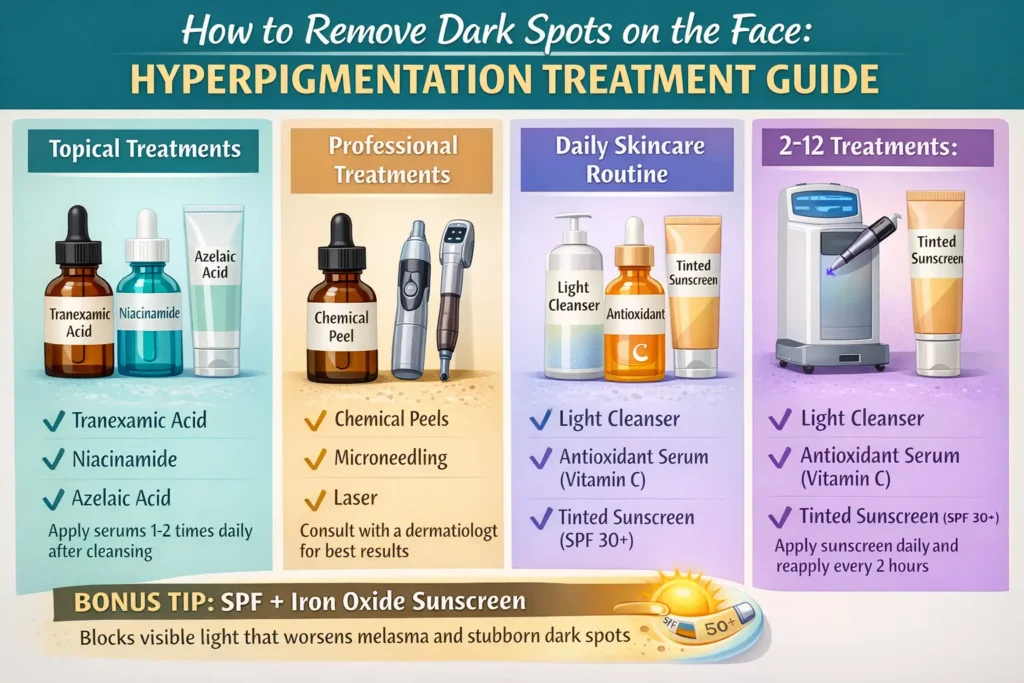
The reason? Not all pigmentation is the same—and not all treatments work for every type.
Whether you’re dealing with melasma treatment, post-acne dark spots, or general pigmentation on the face, the key is understanding the cause and choosing the right treatment strategy. Without this, even the most popular skincare ingredients can fail to deliver lasting results.
In this complete dermatologist guide, you’ll learn:
- and how to prevent it from coming back?
- what causes pigmentation?
- how to identify your type?
- the best treatments that actually work?
Best Hyperpigmentation Treatment: Step-by-Step Guide
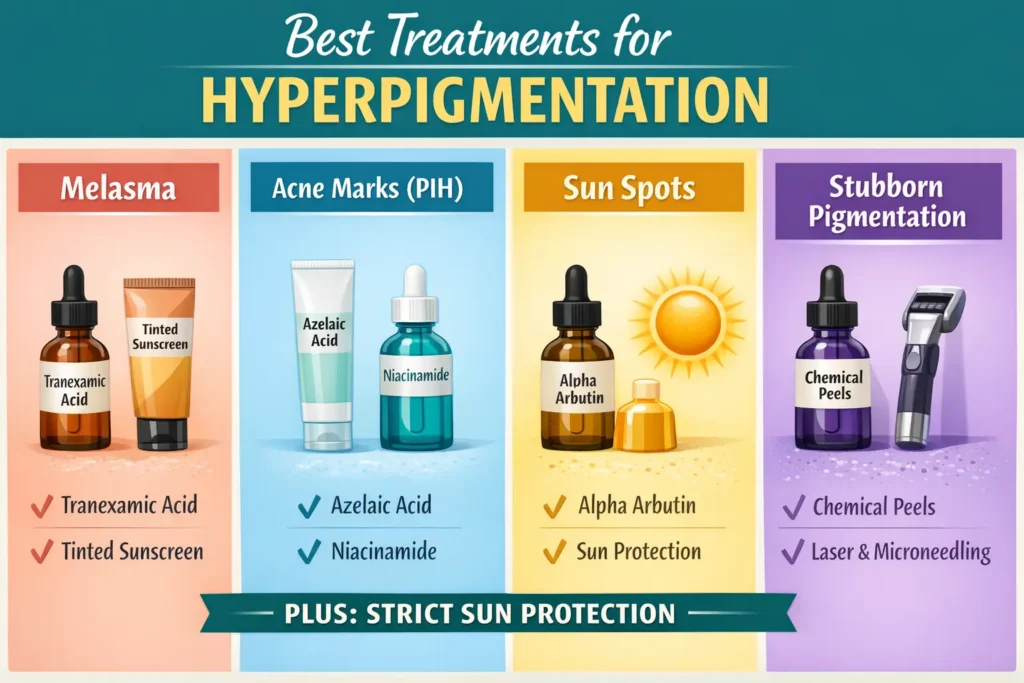
The best hyperpigmentation treatment depends on the cause. Tranexamic acid works best for melasma, azelaic acid for acne-related pigmentation, and alpha arbutin for mild dark spots. A combination approach with sunscreen gives the most effective results.
If you’re looking for the fastest and most effective way to treat hyperpigmentation, here’s what works based on dermatology evidence:
- Melasma treatment: Tranexamic acid + tinted sunscreen (iron oxide)
- Acne marks (PIH): Azelaic acid + niacinamide
- Mild dark spots: Alpha arbutin or niacinamide
- Stubborn pigmentation: Combination therapy + strict sun protection
Choosing the right products is essential for consistent results. Explore serums for pigmentation and dark spots designed to support long-term improvement.
The key is not just treating pigment—but controlling triggers like sun exposure, inflammation, and hormones.
What is Hyperpigmentation?
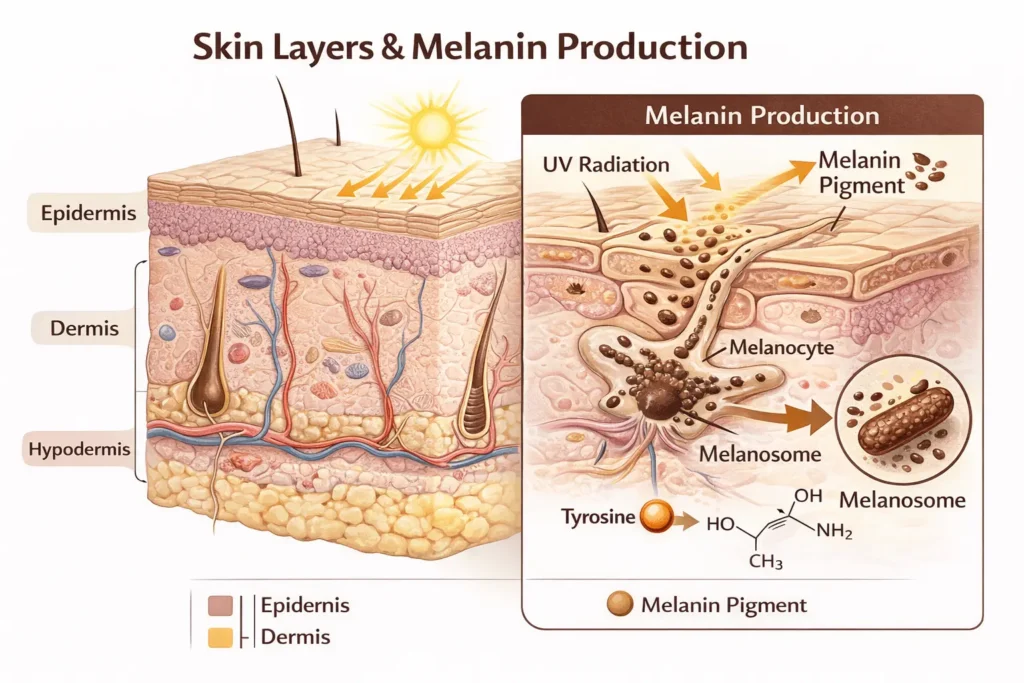
Hyperpigmentation is a common skin condition where certain areas become darker due to excess melanin production—the natural pigment that gives skin its color. It occurs when melanocytes (pigment-producing cells) become overactive, often triggered by sun exposure, inflammation, or hormonal changes. The main types include melasma, post-inflammatory hyperpigmentation (PIH), and sunspots—each requiring a slightly different treatment approach.
Learn more details about what skin pigmentation is?
Types of Pigmentation (With Examples)
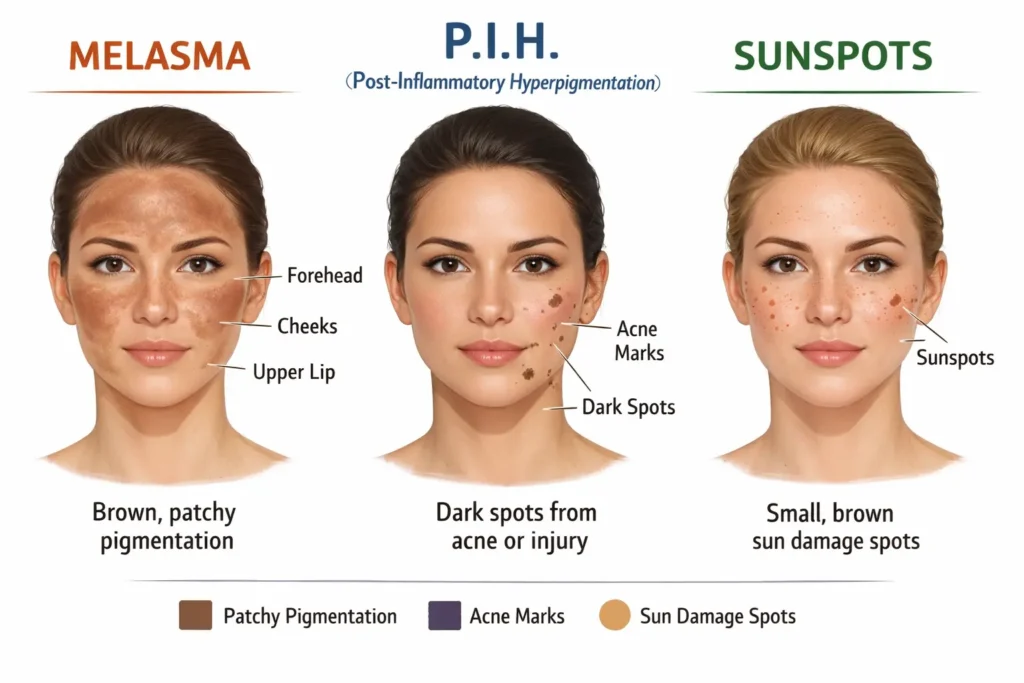
Understanding the type of pigmentation you have is key to choosing the right treatment—because each behaves differently and responds to different ingredients.
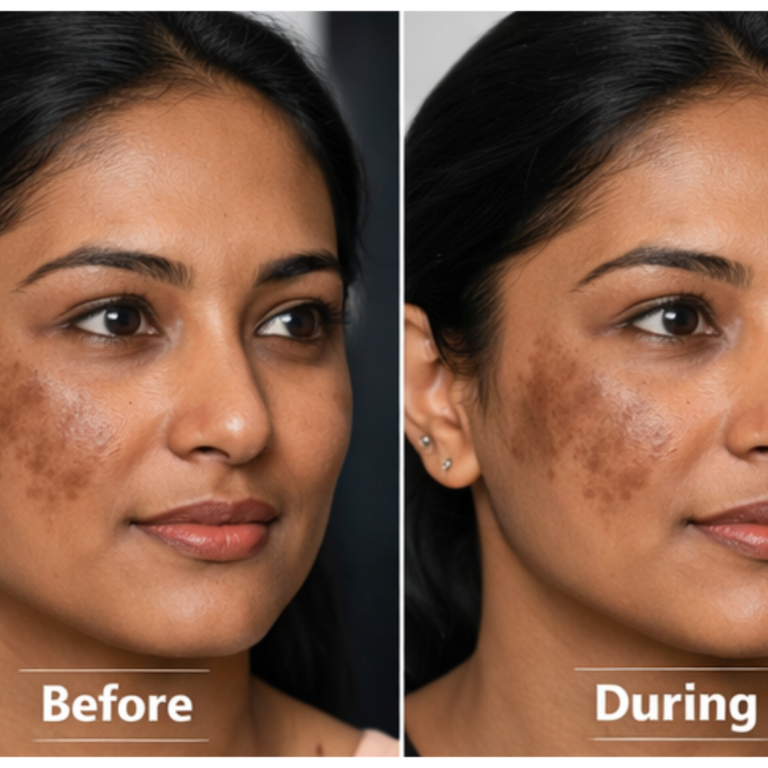
Melasma
- Hormone-driven pigmentation, often seen on cheeks, forehead, and upper lip
- Appears as symmetrical, patchy brown or grayish areas
- Triggered by sun exposure, pregnancy, or hormonal changes
- Tends to be deep and recurrent, making it harder to treat
👉 Read more: melasma vs hyperpigmentation
Post-Inflammatory Hyperpigmentation (PIH)
- Develops after skin inflammation (acne, burns, irritation)
- Shows up as dark spots left behind after healing
- Can range from light brown to deep brown depending on skin tone
- Usually fades over time but can persist without proper treatment
👉 Learn more: post-inflammatory hyperpigmentation
Sun-Induced Pigmentation
- Caused by long-term UV exposure
- Includes sunspots or age spots on exposed areas like face and hands
- Appears as small, well-defined dark patches
- Often easier to treat if addressed early with sun protection + actives
What Causes Pigmentation on the Face?
Facial pigmentation doesn’t happen randomly—there’s always an underlying trigger that stimulates excess melanin production. Identifying the cause is essential for choosing the right treatment.
Sun Exposure (UV + Visible Light)
- The #1 cause of pigmentation
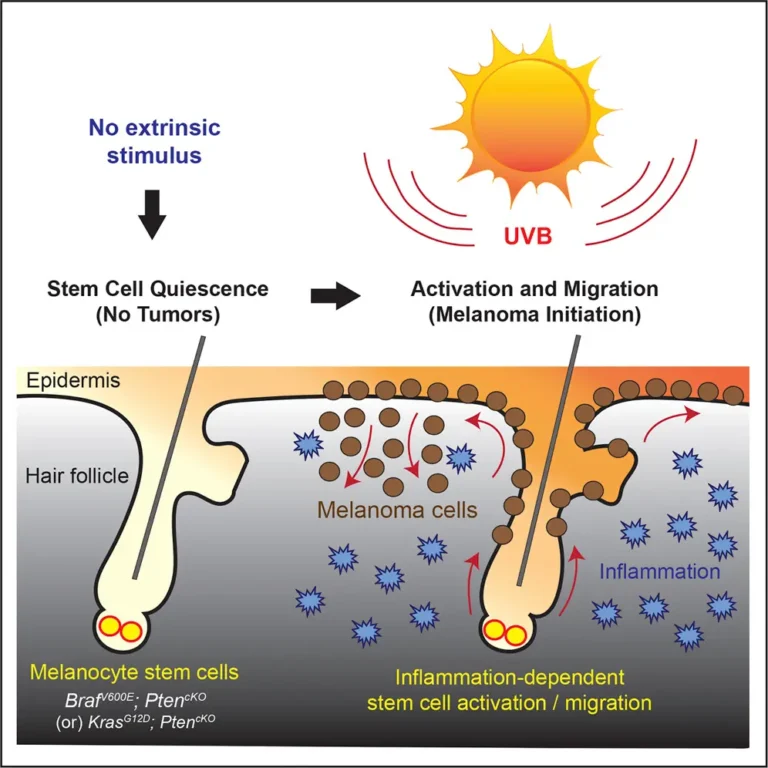
- UV rays stimulate melanocytes → more melanin production
- Visible light (especially blue light) can worsen melasma and deeper pigmentation
- Without sunscreen, treatments often fail or pigmentation returns
👉 Learn more: visible light pigmentation.
Hormones (Pregnancy, PCOS)
- Hormonal fluctuations can trigger melasma and diffuse pigmentation
- Common during pregnancy or with conditions like PCOS
- Pigmentation tends to be symmetrical and persistent
- Often requires targeted treatment beyond basic brightening products
👉 Learn more: hormonal pigmentation
Inflammation (Acne, Irritation)
- Any skin injury (acne, harsh products, procedures) can lead to dark spots
- Known as post-inflammatory hyperpigmentation (PIH)
- More common and intense in medium to deeper skin tones
- Worsens with picking, over-exfoliation, or irritation
👉 Read more: inflammation-induced pigmentation
Skin Barrier Damage
- A weakened skin barrier increases sensitivity and inflammation
- Leads to easier pigment formation and slower healing
- Often caused by overuse of actives, harsh cleansers, or skipping moisturizers
- Healthy barrier = better treatment results and less recurrence
👉 Explore: skin barrier dysfunction
Why Pigmentation is Hard to Treat
Pigmentation is not just a surface issue—it involves deeper skin processes that make it slow and stubborn to resolve.
Melanocyte Activity
- Melanocytes (pigment cells) remain overactive even after treatment starts
- They continue producing melanin in response to triggers
- This “cell memory” makes pigmentation persistent
👉 Learn more: melanocyte memory
Chronic Triggers
- Ongoing exposure to sunlight, heat, hormones, or inflammation keeps reactivating pigmentation
- Even minimal exposure can undo progress
- Without controlling triggers, results stay temporary
👉 Read: why pigmentation improves slowly
Recurrence (Coming Back Again)
- Pigmentation, especially melasma, has a high relapse rate
- It may fade but often returns once treatment stops
- Maintenance care is essential for long-term results
best Without maintenance, even the best hyperpigmentation treatment may fail.
👉 Explore: why pigmentation returns when treatmen is stopped.
Other Treatments for Hyperpigmentation
Not all hyperpigmentation treatment deliver equal results. The most effective approach depends on the type, depth, and cause of pigmentation—and in most cases, a combination strategy works best.
Topical Treatments
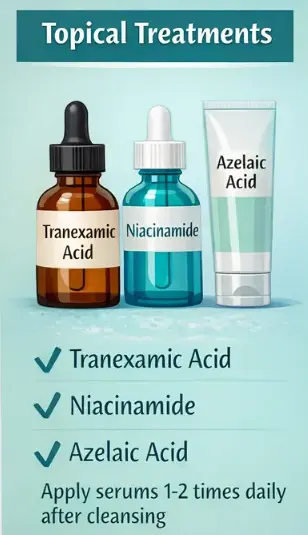
These are your first-line options for daily use and long-term control:
- Tranexamic Acid
- Targets inflammation and vascular triggers behind pigmentation
- Especially effective for melasma and stubborn patches
- Works deeper than most brightening agents
- Alpha Arbutin
- Inhibits tyrosinase (enzyme that produces melanin)
- Best for mild to moderate dark spots and uneven tone
- Gentle and suitable for most skin types
- Niacinamide
- Reduces melanin transfer to skin cells
- Helps with overall brightening + barrier repair
- Also controls oil and inflammation
👉 Read more: niacinamide for pigmentation
- Azelaic Acid
- Anti-inflammatory + pigment-reducing
- Great for acne + pigmentation combination (PIH)
- Safe for sensitive and acne-prone skin
👉 Learn more: azelaic acid for pigmentation
👉 Compare in detail: tranexamic acid vs alpha arbutin
Professional Treatments
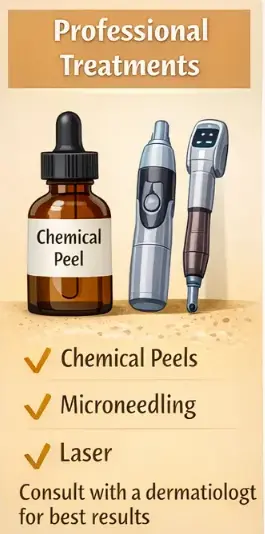
Used when topical treatments alone are not enough:
- Chemical Peels
- Exfoliate upper skin layers → faster pigment removal
- Effective for superficial pigmentation and dull skin
- Microneedling
- Stimulates collagen and enhances product absorption
- Helps improve stubborn pigmentation over time
👉 Read: microneedling article
- Laser Treatments
- Target deeper pigment deposits
- Can be effective but require expert handling (risk of rebound pigmentation)
Combination Therapy (MOST IMPORTANT)
- Single treatments often fail because pigmentation has multiple triggers
- Example: treating melanin without addressing inflammation or sun exposure = incomplete results
- Dermatologists recommend layering actives:
- Tranexamic acid (for deeper triggers)
- Alpha arbutin or niacinamide (for surface pigment)
- Tranexamic acid (for deeper triggers)
- Always combine with broad-spectrum sunscreen
👉 The key: Treat cause + pigment + prevention together for real, lasting improvement
Best Skincare Routine for Pigmentation
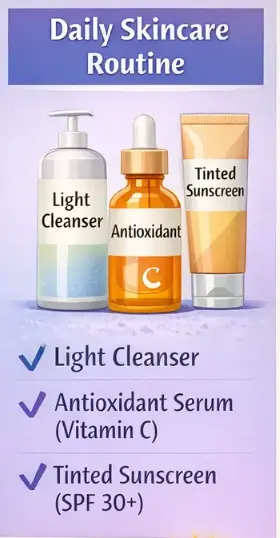
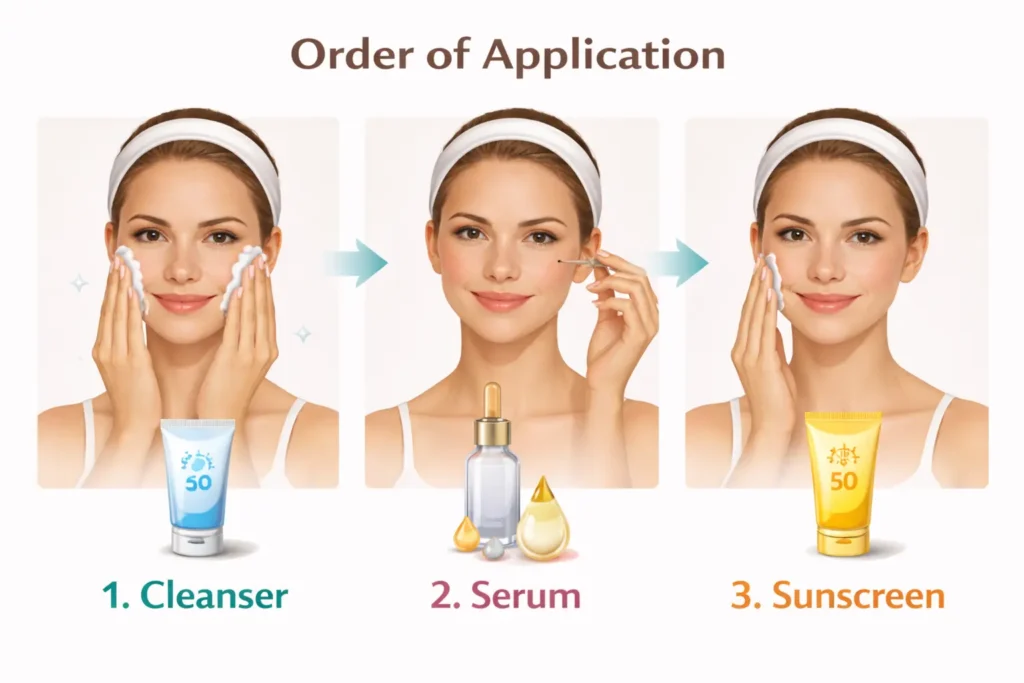
Morning Routine
- Cleanser
- Use a gentle, non-stripping cleanser to maintain skin balance
- Antioxidant (Vitamin C / Niacinamide)
- Helps reduce oxidative stress and supports brighter skin
- Enhances protection against environmental damage
- Sunscreen (MOST IMPORTANT)
- Broad-spectrum SPF 50 with protection against UV + visible light
- Prevents new pigmentation and stops existing spots from worsening
👉 Read more: sunscreen guide
Night Routine 🌙
- Treatment Serums
- Use actives like tranexamic acid, alpha arbutin, or azelaic acid
- Target pigment production and gradually fade dark spots
- Barrier Repair Moisturizer
- Strengthens skin barrier and reduces irritation risk
- Improves tolerance to active ingredients and supports healing
👉 Learn more: barrier repair skincare
Key Tip: Consistency matters more than complexity. A simple, well-structured routine done daily delivers better results than constantly changing products.
Sunscreen for Pigmentation (CRITICAL)
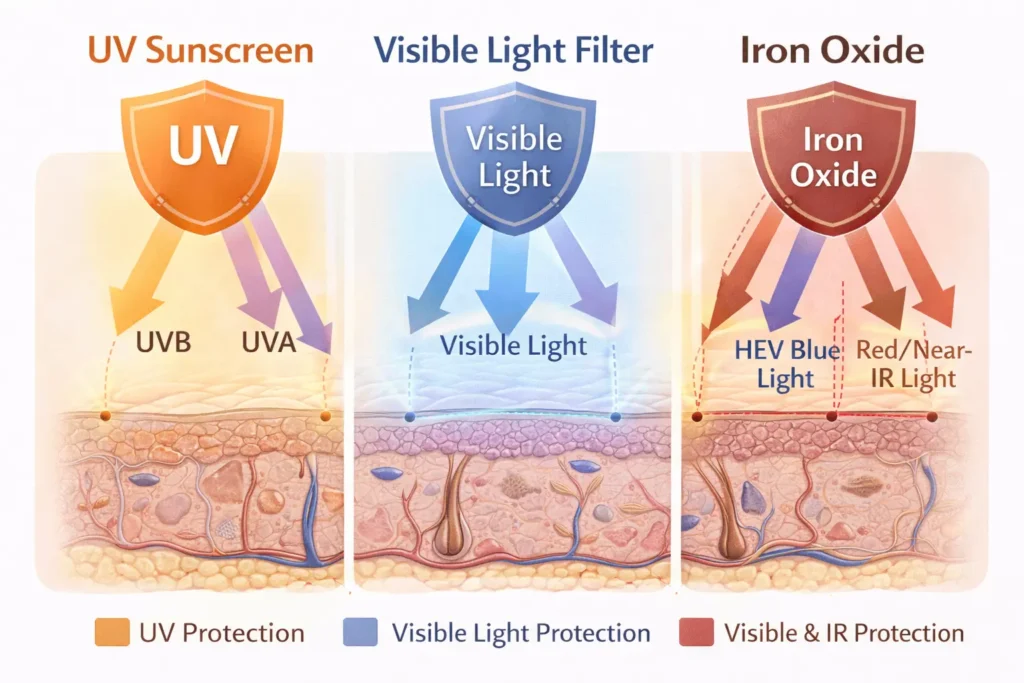
Sunscreen is not optional—it’s the foundation of any hyperpigmentation treatment. Without it, even the most effective ingredients will fail or give only temporary results.
According to the American Academy of Dermatology (AAD), sunscreen is essential in managing pigmentation.
Why Sunscreen is Mandatory
- UV exposure continuously stimulates melanin production
- Can darken existing spots and trigger new pigmentation
- Neglecting sunscreen = treatment reversal
Role of Visible Light
- Not just UV—visible light (especially blue light) also worsens pigmentation
- A major trigger in melasma and deeper skin tones
- Standard sunscreens may not fully protect against this
👉 Learn more: visible light pigmentation
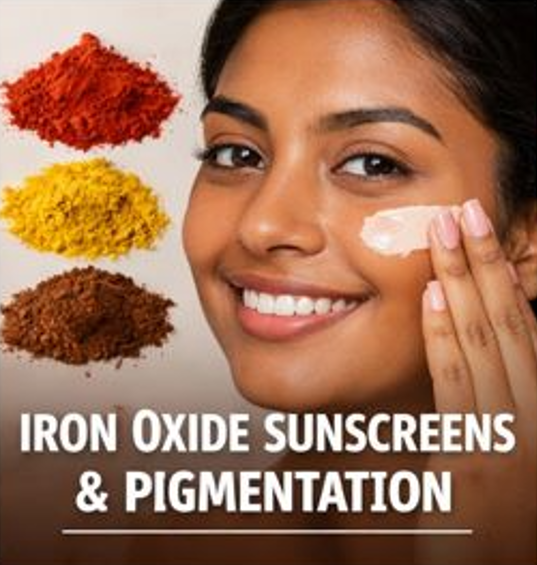
Importance of Iron Oxide
- Iron oxides (found in tinted sunscreens) protect against visible light
- Essential for managing stubborn and recurrent pigmentation
- Recommended especially for melasma patients
👉 Explore: iron oxide sunscreens
Bottom line: Daily use of a tinted, broad-spectrum sunscreen is the single most important step to prevent and control hyperpigmentation.
How Long Does It Take to See Results?
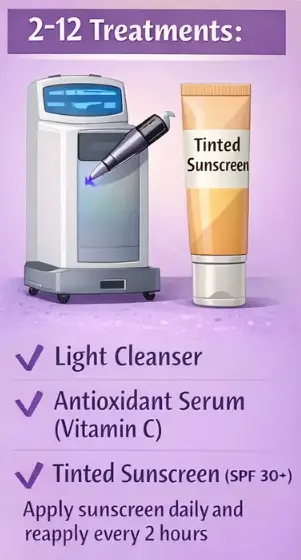
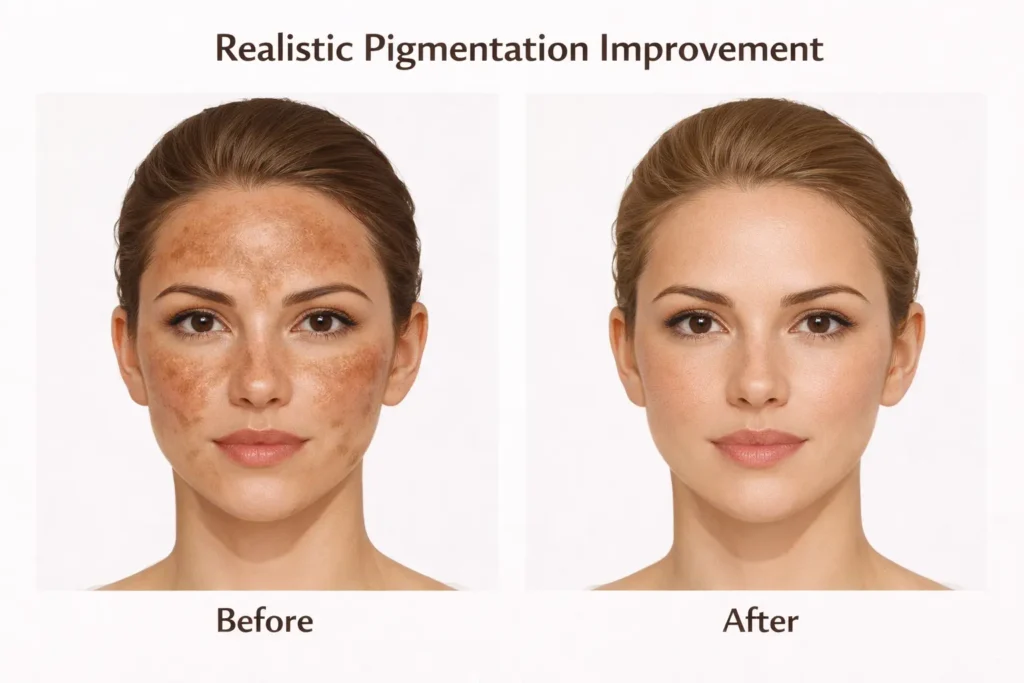
hyperpigmentation treatment takes time—results depend on consistency, cause, and depth of pigment.
- 4 weeks
- Early improvement in skin tone and brightness
- Mild dark spots may start fading
- 8–12 weeks
- Visible reduction in pigmentation
- More even skin tone with consistent treatment + sunscreen
- 3–6 months
- Significant improvement in stubborn pigmentation (like melasma)
- Requires maintenance to prevent recurrence
Reality check: Faster results are possible for superficial spots, but deeper pigmentation always needs patience and consistency.
Why Pigmentation Keeps Coming Back
Pigmentation often returns after hyperpigmentation treatment because the root triggers are still active, even if the spots temporarily fade.
Stopping Treatment Too Early
- Many people stop once they see improvement
- Melanocytes remain active → pigment gradually returns
- Maintenance routine is essential for long-term control
Sun Exposure
- Even brief, unprotected exposure can reactivate pigmentation
- UV + visible light continuously stimulate melanin production
- Skipping sunscreen is the most common reason for relapse
Hormones
- Hormonal fluctuations (pregnancy, PCOS) can trigger recurrence
- Especially common in melasma
- Requires ongoing management, not just short-term treatment
👉 Read more: why melasma keeps coming back
👉 Explore: pigmentation returns article
Common Mistakes That Make Pigmentation Worse
Even the best treatments can fail—or backfire—if these common mistakes are not addressed:
Skipping Sunscreen
- The biggest mistake
- Leads to continuous melanin stimulation
- Can undo weeks of progress in just days
Over-Exfoliation
- Excess acids or scrubs damage the skin barrier
- Triggers inflammation → more pigmentation
- Slows healing instead of speeding it up
Using the Wrong Actives
- Not all ingredients work for every type of pigmentation
- Example: mild brighteners won’t work for deep melasma
- Leads to frustration and no visible results
Causing Skin Irritation
- Harsh products, layering too many actives, or improper use
- Inflammation = increased melanin production
- Especially risky for sensitive or acne-prone skin
👉 Learn more: why brightening products burn skin
Key takeaway: Treat pigmentation gently and strategically—aggressive skincare often makes it worse, not better.
Melasma vs Hyperpigmentation (Quick Comparison Table)
| Feature | Melasma | Hyperpigmentation (General) |
|---|---|---|
| Cause | Hormonal + sun exposure | Sun, acne, inflammation, injury |
| Appearance | Symmetrical, patchy brown/gray areas | Spots or patches, may be uneven |
| Common Areas | Cheeks, forehead, upper lip | Anywhere on face or body |
| Depth | Often deeper (dermal + epidermal) | Usually superficial (epidermal) |
| Triggers | Hormones, heat, visible light | UV exposure, inflammation |
| Difficulty | Harder to treat, recurrent | Easier to treat (in many cases) |
| Recurrence | Very high | Moderate (depends on cause) |
| Treatment Approach | Long-term management + maintenance | Targeted treatment based on cause |
When to See a Dermatologist
- Stubborn pigmentation that doesn’t improve after 2–3 months of consistent hyperpigmentation treatment
- Worsening melasma or spreading patches despite using sunscreen and actives
- Treatment failure after trying multiple products without visible results
Frequently Asked Questions
What is the fastest way to remove pigmentation?
There is no instant fix—however, combining treatments gives the fastest results. This includes targeted actives (like tranexamic acid or azelaic acid), consistent sunscreen use, and, if needed, professional procedures like chemical peels.
Can melasma be cured permanently?
No, melasma cannot be permanently cured. It is a chronic condition that can be controlled and significantly improved, but it often returns without maintenance and sun protection.
Which acid is best for hyperpigmentation treatment?
It depends on the type of pigmentation:
Tranexamic acid → best for melasma
Azelaic acid → ideal for acne-related pigmentation (PIH)
Alpha arbutin → suitable for mild dark spots and uneven tone
Is sunscreen enough for hyperpigmentation treatment?
Sunscreen alone won’t remove pigmentation, but it is essential to prevent worsening and recurrence. Without it, other treatments will not work effectively.
Final Thoughts (Expert Angle)
Treating pigmentation is not about chasing quick fixes—it’s about understanding the cause, choosing the right ingredients, and staying consistent with both treatment and protection.
As Dr. Faiza Shams explains:
“Pigmentation is a chronic skin concern that requires a strategic, long-term approach. The key is not just to fade existing pigment, but to control the triggers—especially sun exposure and inflammation—while maintaining a healthy skin barrier.”
A consistent hyperpigmentation treatment approach is the key to long-term results.
Address: Block C, Punjab University Employees Housing Scheme Phase-II, Lahore, Pakistan
Contact Number: +923224563810