Retinol and Vitamin C — Can You Use Them Together?
Research-backed guide for the curious reader
Table of Contents
- Retinol and Vitamin C: Can You Use Them Together Safely?
- What Do Retinol and Vitamin C Actually Do?
- Can You Use Retinol and Vitamin C Together? What Research Suggests
- Why Bother Using Retinol and Vitamin C Together?
- The Downsides: When Retinol and Vitamin C Together Are Too Much
- How to Use Retinol and Vitamin C Together Safely
- What Concentrations and Formulas Should You Look For?
- Who Should Be Extra Careful With Retinol and Vitamin C Together?
- FAQs About Retinol and Vitamin C Together
- Key Takeaways: A Simple Plan You Can Follow
- Research References
Retinol and Vitamin C: Can You Use Them Together Safely?
If you’ve ever googled “can I use retinol and vitamin C together,” you’ve probably seen two completely opposite answers:
- Some people swear it’s the ultimate anti-aging duo.
- Others claim the combo will wreck your skin barrier.
So what’s actually true?
The short version: retinol and vitamin C are both powerful, evidence-based ingredients, and you can use them in the same routine — but how you combine them matters a lot. For most people, the safest, research-friendly way is vitamin C in the morning and retinol at night, with sunscreen and a gentle routine built around them.

In this article, we’ll break down exactly:
- What retinol and vitamin C do
- What recent research says about their benefits
- Whether retinol and vitamin C together are a good idea for your skin
- Step-by-step routines you can follow today
What Do Retinol and Vitamin C Actually Do?
Before we stack them in one routine, it helps to know what each one brings to the table.
Retinol: the collagen-boosting workhorse
Retinol is a vitamin A derivative that your skin converts into retinoic acid. It’s considered a gold-standard ingredient for visible signs of aging because it can:
- Increase cell turnover (skin renews faster)
- Stimulate collagen production
- Soften fine lines and wrinkles
- Smooth rough texture
- Help with pigmentation from sun damage and breakouts
A large body of clinical research shows retinoids (including retinol, retinal, and prescription tretinoin) improve wrinkles, tone, and texture over weeks to months of consistent use.
Vitamin C: the antioxidant bodyguard and brightener
Topical vitamin C (especially L-ascorbic acid and some stable derivatives) is a strong antioxidant. It’s widely used because it can:
- Neutralize free radicals from UV light and pollution
- Support collagen synthesis
- Help fade dark spots and post-acne marks
- Brighten dull, uneven skin tone
- Enhance the effectiveness of sunscreen when used underneath it
A 2023 systematic review of topical vitamin C found improvements in wrinkles and skin brightness across multiple clinical trials, especially when used consistently over several weeks.
Put simply: retinol remodels, vitamin C defends and brightens. They attack aging from different angles, which is why so many people want both.
Can You Use Retinol and Vitamin C Together? What Research Suggests
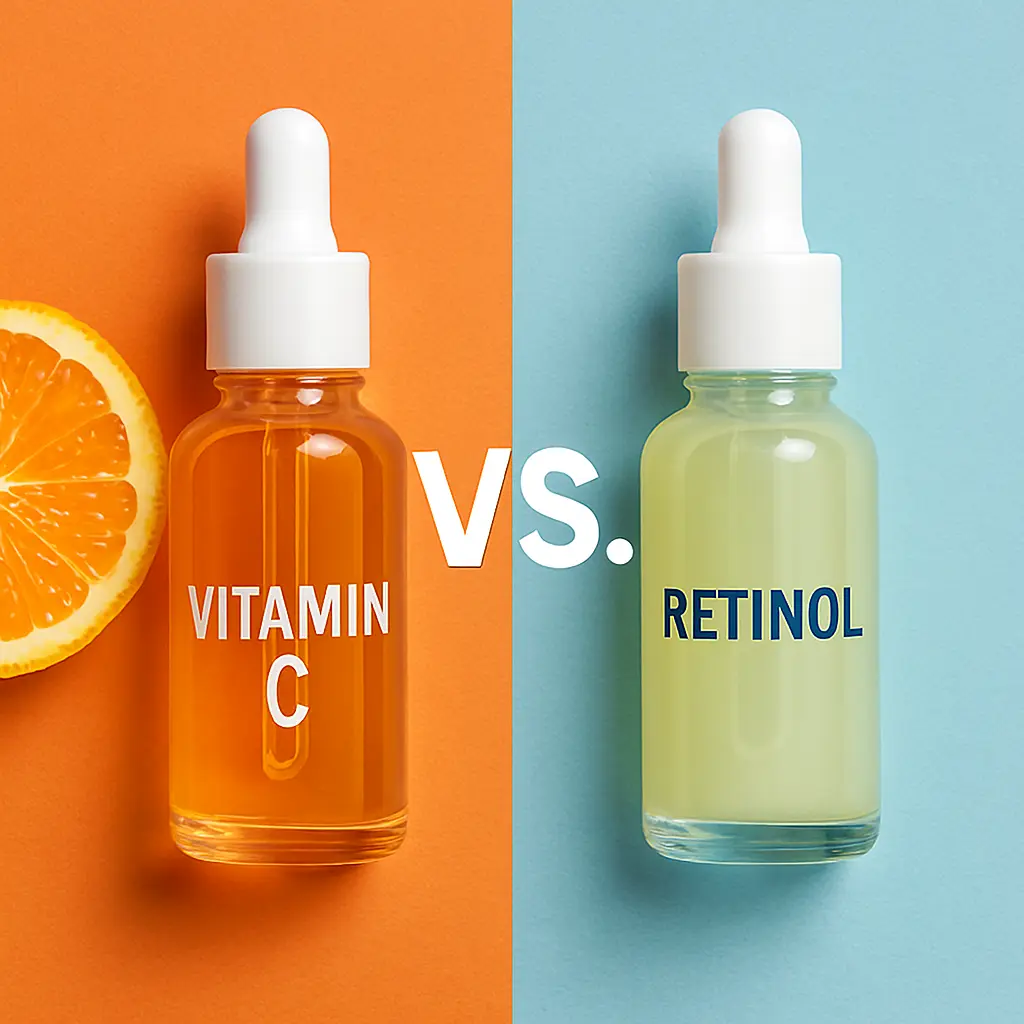
When you ask about can you use vitamin c with retinol, you must keep these two ingredients apart forever. In fact, real-world practice and reviews in dermatology show that retinoids and antioxidant serums (including vitamin C) are often used within the same overall routine, especially for photoaging (sun-related aging).
Recent literature and reviews highlight a few key points:
- Combination anti-aging routines work well. Reviews on anti-aging cosmeceuticals describe retinoids and vitamin C as core active ingredients frequently combined to address wrinkles, pigmentation, and loss of firmness.
- Antioxidants plus retinoids can be synergistic. Research into antioxidant systems shows that pairing vitamins C and E with other protective ingredients (like ferulic acid) can enhance photoprotection. Retinoids then work more on repair and remodeling.
- Irritation is the main concern, not “cancelling each other out.” Clinical guidance aimed at family physicians emphasizes vitamin C and topical retinoids as safe components of a routine, but warns that irritation (dryness, peeling, redness) is more likely if patients start everything at once or overuse strong formulas.
So yes, retinol and vitamin C together can absolutely be part of the same skincare strategy — the trick is how you sequence them and how strong the products are.
Why Bother Using Retinol and Vitamin C Together?
If you’re going to build a routine around pairing vitamin c and retinol, it helps to understand the specific benefits you’re aiming for.
1. Stronger anti-aging results
Retinoids have some of the strongest evidence for wrinkle reduction and collagen stimulation. Vitamin C, meanwhile, supports collagen and protects existing collagen from oxidative damage. Using both can mean:
- Smoother fine lines and crow’s feet over time
- Firmer, more elastic skin
- Better long-term defense against sun-induced aging
2. More even skin tone and fewer dark spots
Both actives help with pigmentation:
- Vitamin C interferes with melanin production and helps fade dark spots. ResearchGate+1
- Retinol speeds up cell turnover, helping pigmented cells shed faster.
Reviews that look at retinoids, vitamin C, and hyaluronic acid together report improvements in hyperpigmentation, skin brightness, and overall radiance when these ingredients are used consistently.
3. Better daily protection
Vitamin C is at its best in the daytime, under sunscreen, where it helps neutralize free radicals from UV and pollution. Retinol is typically used at night, when the skin is in repair mode and you’re not exposed to sunlight that can increase irritation.
That’s why the classic routine — vitamin C in the morning, retinol at night — is often recommended by dermatologists and supported by clinical practice guidelines.
The Downsides: When Retinol and Vitamin C Together Are Too Much
If these ingredients are so good, why do some people say never to mix them?
Irritation and barrier damage
Both retinol and vitamin C (especially strong L-ascorbic acid) can be irritating:
- Retinol can cause dryness, flaking, stinging, and increased sun sensitivity.
- High-strength vitamin C serums can sting, especially on sensitive or compromised skin.
When you layer them at full strength on the same night, you’re stacking two “demanding” actives. Beauty-science articles and dermatology commentary often warn that combining retinol with other acids (including vitamin C) can lead to redness, peeling, and a damaged skin barrier if you’re not careful.
Formulation and pH issues
L-ascorbic acid is most stable at a low pH, while retinoids are usually formulated differently, and both are sensitive to light and air. That doesn’t mean they “cancel each other out,” but it does mean:
- You should rely on well-formulated products rather than DIY mixing.
- If a brand combines them in one formula, there should be supporting stability or clinical data (many reputable “medical-style” brands publish this).
How to Use Retinol and Vitamin C Together Safely
Let’s turn the science into using retinol and vitamin c serum, something you can actually do every day.
Step 1: Decide on your routine structure
For the general public, the safest and most widely recommended approach is:
- Morning: Vitamin C
- Night: Retinol
This setup fits perfectly with how each ingredient naturally works and is backed by clinical practice guidance.
Beginner Routine (Sensitive-Skin Friendly)
Morning (Vitamin C routine):
- Gentle, low-foam cleanser
- Vitamin C serum (10–15% L-ascorbic acid or a gentle derivative)
- Lightweight moisturizer
- Broad-spectrum sunscreen SPF 30 or higher
Night (Retinol routine):
- Gentle cleanser
- Moisturizer
- Retinol (start with 0.025–0.05%) applied 2 nights per week
- Extra moisturizer on top if needed (“sandwich method”)
As your skin adjusts, you can slowly increase retinol nights to every other night, then nightly, if your skin tolerates it. Clinical studies of topical retinoids often show visible improvements after 8–12 weeks of consistent use, so think in months, not days.
Intermediate Routine (When Your Skin Is Used to Both)
Once you’ve spent at least 6–8 weeks getting comfortable with both ingredients separately, you can try using retinol and vitamin C together in the same 24-hour cycle like this:
- Keep vitamin C strictly in the AM.
- Use retinol every other night or 3–4 nights per week.
- On “retinol nights”, skip other strong acids (like glycolic, salicylic) to avoid over-exfoliation.
Advanced Routine (Same-Night Use — Only for Tolerant Skin)
If your skin is hardy and you’ve already been using both for months without issues, you can experiment with layering:
- Cleanser
- Vitamin C serum
- Wait 10–20 minutes or until fully absorbed
- Apply a pea-sized amount of retinol
- Finish with a barrier-supporting moisturizer
But: if you see redness, burning, or persistent flaking, go back to the safer “vitamin C in the morning, retinol at night” pattern. Most dermatology reviews still favour separation for everyday users because it’s easier and gentler.
What Concentrations and Formulas Should You Look For?
Vitamin C
For most people:
- 10–20% L-ascorbic acid is a common effective range in clinical studies.
- If you are sensitive, start with lower percentages or use derivatives like magnesium ascorbyl phosphate or ascorbyl glucoside, which can be gentler but still beneficial.
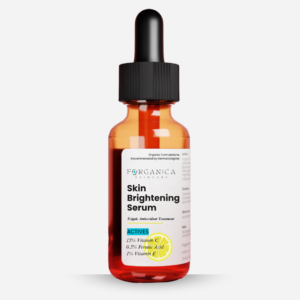
- Extra antioxidants like vitamin E and ferulic acid can stabilize vitamin C and boost its photoprotective effect.
Retinol / Retinoids
Options range from mild to intense:
- OTC retinol: often 0.01–1%. Newer clinical work on 0.1% retinal (a close relative of retinoic acid) shows strong anti-aging results with relatively good tolerability when paired with a simple routine.
- Prescription tretinoin / adapalene / tazarotene: stronger, with more dramatic changes, but also more irritation; should be used under medical guidance.
For beginners, it’s usually better to:
- Start with a low-strength OTC retinol and a simple moisturizer
- Use it only a couple of nights per week
- Build up over time rather than jumping straight into high-strength formulas
Can vitamin c and retinol be used together?
You’ll want to go slow or talk to a professional first if:
- You have eczema, rosacea, or very reactive skin
- You’ve recently had chemical peels, strong laser treatments, or microneedling
- You’re pregnant or breastfeeding — topical retinoids are generally not recommended; vitamin C, on the other hand, is usually considered safe, but always confirm with your healthcare provider.
In these situations, a dermatologist can help you design a routine that uses more gentle antioxidants and possibly avoid retinoids entirely or switch to prescription-monitored use.
FAQS About Retinol and Vitamin C Together
Can I use retinol and vitamin C at the same time on my face?
You can, but it’s not always the best choice for your skin barrier. For most people, the smarter, research-aligned strategy is:
Vitamin C in the morning under sunscreen
Retinol at night on clean, dry skin, followed by moisturizer
That way, you still get the combi
Do retinol and vitamin C cancel each other out?
No. There’s no strong evidence that they “neutralize” one another on your skin. The concern is more about:
Formulation stability (each has its own preferred environment)
Irritation when layered aggressively
Well-formulated products used in a smart routine are absolutely compatible. MDPI+1
How long before I see results from using both?
Vitamin C: you may notice brighter, more even skin tone within 4–8 weeks. ResearchGate+1
Retinol: visible improvements in fine lines, texture, and pigmentation often show up after 8–12 weeks and keep building for many months in clinical studies. PMC+1
Consistency + sunscreen will matter more than any single “trick.”
Can you use glycolic acid and retinol together?
Yes, you can use glycolic acid and retinol together, but not in the same routine because the combination can cause irritation, redness, and barrier damage. It’s safer to alternate them on different nights (e.g., glycolic one night, retinol the next) to get benefits without over-exfoliating your skin.
How to Use Retinol and Vitamin C Together Safely
When you think to chose vitamin c or retinol first? you can use them safely by applying vitamin C in your morning routine and retinol in your night routine, giving your skin antioxidant protection by day and repair by night. This separation prevents irritation and maximizes the benefits of both ingredients.
Can you use aha and retinol together?
Using AHA and retinol together is possible but generally not recommended for most people because the combination can cause irritation, redness, and barrier damage. If you want to use both, apply AHA on one night and retinol on another (alternate nights) to keep your skin safe and balanced.
Peptides vs Retinol: Which Should You Use?
Peptides are gentle, hydrating, and great for firming skin without irritation, while retinol is stronger and more effective for wrinkles, acne, and pigmentation. Choose peptides for sensitive skin and retinol for faster anti-aging results — or use peptides in the morning and retinol at night for a balanced routine.
Can you use Differin and vitamin C together?
Yes, you can use Differin (adapalene) and vitamin C together, but not at the same time. Use vitamin C in the morning and Differin at night to avoid irritation and get the full benefits of both.
Key Takeaways: A Simple Plan You Can Follow
If you remember only a few things about retinol and vitamin C together, make it these:
- They’re complementary, not enemies.
Retinol helps with cell turnover and collagen; vitamin C defends and brightens. Used thoughtfully, they can deliver impressive anti-aging and glow-boosting results. MDPI+1 - Routine design matters more than “mixing rules.”
For most people, the most practical, skin-friendly plan is:- Morning: vitamin C + moisturizer + sunscreen
- Night: retinol + moisturizer
- Start low and slow.
Introduce one active at a time, build tolerance, and only then experiment with more frequent use or same-night layering. Clinical data shows that patience and consistency win. PMC+1 - Protect your barrier.
Pair both actives with hydrating, soothing ingredients (glycerin, ceramides, hyaluronic acid) and daily sunscreen. Avoid stacking too many strong acids or exfoliants on top. Good Housekeeping+1
Research References
Here are some recent and relevant scientific and clinical sources you can reference at the end of your article or in a “Further Reading” section:
- Ball S. et al., 2024. “Vitamin C, Topical Retinoids, and Sunscreen in Clinical Practice: Essentials for Family Physicians.” Journal of the American College of Osteopathic Family Physicians – clinical guidance on combining vitamin C, retinoids, and sun protection. ACOFP ORG
- Crespi O. et al., 2025. “Cosmeceuticals for Anti-Aging: Mechanisms, Clinical Evidence and Future Directions.” Cosmetics (MDPI) – detailed review of anti-aging ingredients including retinoids and vitamin C, with clinical trial summaries. MDPI
- Milosheska D. et al., 2022. “Use of Retinoids in Topical Antiaging Treatments.” – comprehensive review of retinoids, their mechanisms, efficacy, and irritation profile. PMC
- JDD Systematic Review, 2023. “Clinical efficacy of topical vitamin C on the appearance of wrinkles: A systematic literature review.” Journal of Drugs in Dermatology – summarises wrinkles and photodamage improvements with topical vitamin C. ResearchGate
- Griffiths T.W. et al., 2023. “Skin ageing and topical rejuvenation strategies.” British Journal of Dermatology – discusses retinoids and antioxidants as key elements of topical anti-aging strategies.
Address: Block C, Punjab University Employees Housing Scheme Phase-II, Lahore, Pakistan
Contact Number: +923224563810