What Is Skin Pigmentation? hyperpigmentation, Causes of pigmentation & Common Myths
Skin pigmentation is one of the most widely discussed topics in dermatology, beauty communities, and everyday skincare conversations. Whether someone is worried about dark spots after acne, melasma during pregnancy, or overall uneven skin tone, pigmentation affects millions worldwide. Yet, despite how common it is, there’s still a lot of confusion about what pigmentation actually means, why it develops, and how it should be treated.
This article breaks everything down—using today’s scientific understanding—so you can get a clear, accurate view of pigmentation, its causes, its types, and the myths that keep circulating online.
What Exactly Is Skin Pigmentation?
Skin pigmentation refers to the natural coloring of your skin, determined by a pigment called melanin. Melanin is produced by special cells called melanocytes, which sit in the basal layer of your epidermis. These melanocytes send melanin upwards into skin cells (keratinocytes), giving your skin its color.
The more melanin your skin produces, the darker it appears. The less melanin it produces, the lighter it appears.
Pigmentation becomes a “problem” when melanin is produced unevenly, or in excess, leading to patches or spots that look darker than the surrounding skin.
This can happen for several reasons—sunlight, hormones, inflammation, injury, medications, environmental exposure, and, in many cases, genetics.
The Science Behind Melanin Production
To understand pigmentation deeply, it helps to know how melanin is made.
Melanin is produced through a process called melanogenesis. Here’s the simplified version:
Melanocytes contain an enzyme called tyrosinase. When triggered (by UV light, hormones, inflammation, etc.), tyrosinase activates and converts the amino acid tyrosine into melanin. The melanin is then packaged into melanosomes and transferred to skin cells, which results in a darker appearance.
Recent dermatology literature emphasizes two important points:
- Melanogenesis is not just a color response; it is a protective response. Melanin absorbs UV radiation and protects skin from DNA damage.
- Different types of melanin—eumelanin (brown/black) and pheomelanin (red/yellow)—behave differently under UV light, which explains varying responses to sun exposure across different skin tones.
A 2021–2023 body of research noted that skin pigmentation is an evolutionary adaptation to UV exposure, meaning that melanin exists fundamentally to protect you.
This is why pigmentation disorders are not simply cosmetic—they reflect how your skin responds to internal and external stress.
What Causes Pigmentation? The Main Triggers
Pigmentation can be triggered by a wide range of factors, and many people experience more than one trigger at a time. Below are the most common causes, backed by dermatological evidence.
Sun Exposure (UV and Visible Light)
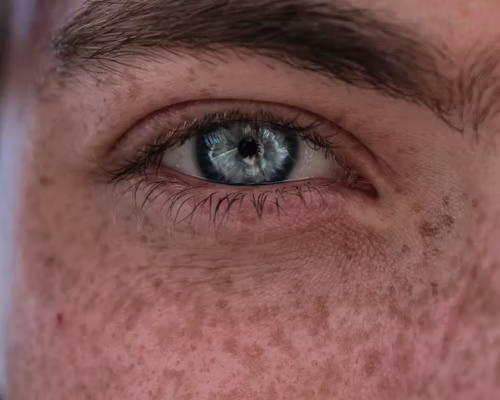
The number one cause of pigmentation worldwide is sunlight. UV radiation activates melanocytes aggressively, producing melanin as a defense mechanism. Over time, repeated exposure leads to sunspots, tanning, uneven tone, and more stubborn hyperpigmentation.
Recent research also shows that high-energy visible light (especially blue light) can worsen pigmentation in deeper skin tones.
Hormonal Changes
Hormones have a big impact on melanocyte activity. This is especially true for estrogen and progesterone, which explains why melasma is common during pregnancy or when using hormonal contraceptives.
A 2022 review highlighted hormonal pigmentation as one of the most difficult types to treat because the trigger is internal, not external.

Inflammation or Injury
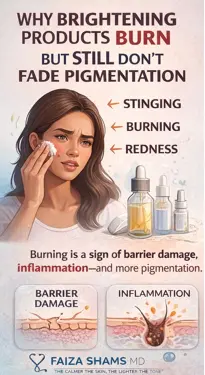
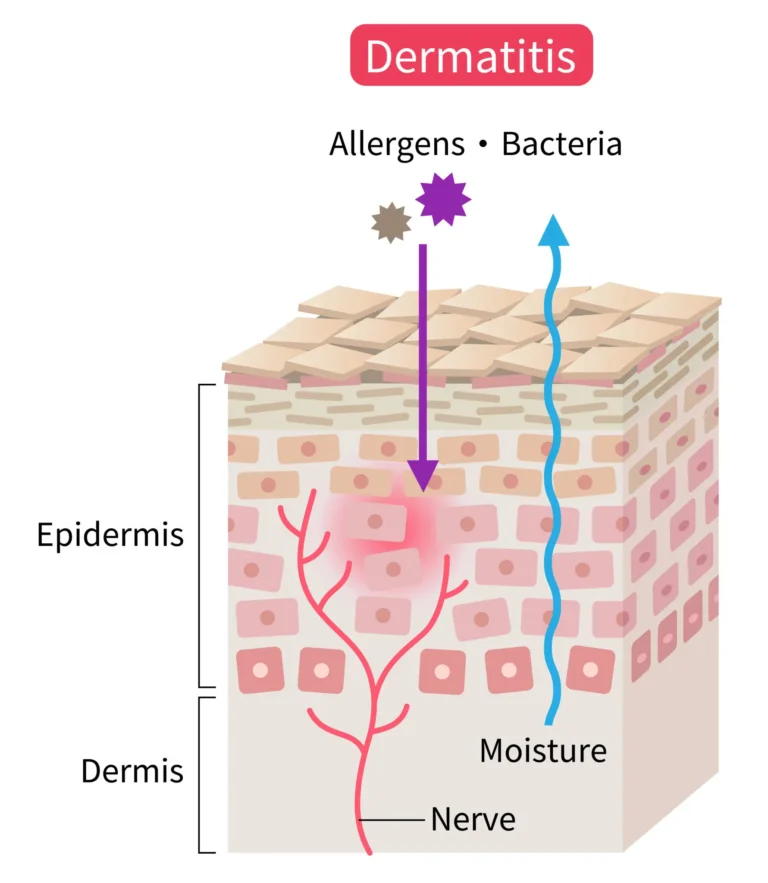
Any kind of wound, irritation, acne breakout, burn, or allergic reaction can lead to post-inflammatory hyperpigmentation (PIH). This is especially common in deeper skin tones because melanocytes are more reactive.
Heat Exposure
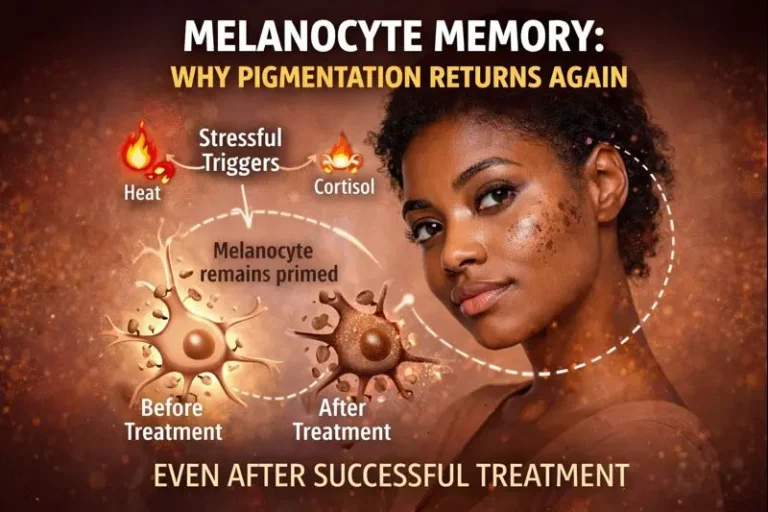
Heat—yes, even without sunlight—can stimulate melanocytes. This includes cooking, saunas, steam rooms, and even working near machinery. It is one of the least known triggers but well-documented in dermatology literature.
Genetics
Some people are naturally more prone to pigmentation based on their ancestry and melanin biology. Fitzpatrick skin types IV–VI (including South Asian, Middle Eastern, Hispanic, African, and Southeast Asian skin) are more likely to develop pigmentation from even mild irritation.
Medications
Certain drugs can increase sun sensitivity and cause pigmentation. These include some antibiotics, acne medications, anti-seizure drugs, and chemotherapy agents.
Pollution and Oxidative Stress
Newer studies highlight pollution as a major pigmentation trigger. Pollutants produce reactive oxygen species (ROS) that activate melanogenesis independent of UV exposure.
The Main Types of Pigmentation
Not all pigmentation looks the same—and not all respond to the same treatments. Understanding the differences helps you avoid trial-and-error mistakes.
Hyperpigmentation
This is a broad term for darkening of the skin. It includes sunspots, age spots, post-acne marks, and uneven tone.

Common in all skin tones, hyperpigmentation often improves with topical treatments if caught early.
Melasma
Melasma is more complex. It appears as symmetrical patches on the cheeks, forehead, or upper lip and is strongly linked to hormones. It is more common in women and in deeper skin types.
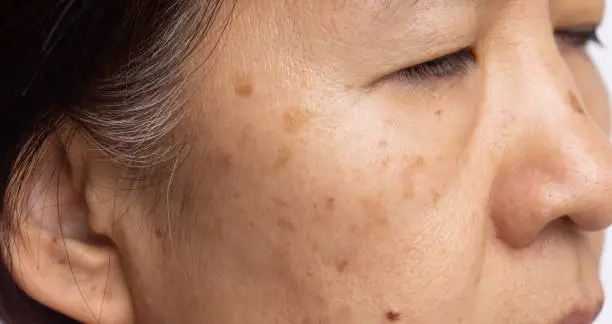
Melasma requires long-term management and gentler treatment strategies. Harsh exfoliation often worsens it.
Post-Inflammatory Hyperpigmentation (PIH)
These are dark marks left behind after acne or injury. PIH is extremely common in deeper skin tones and may persist for months without treatment.
Freckles (Ephelides)
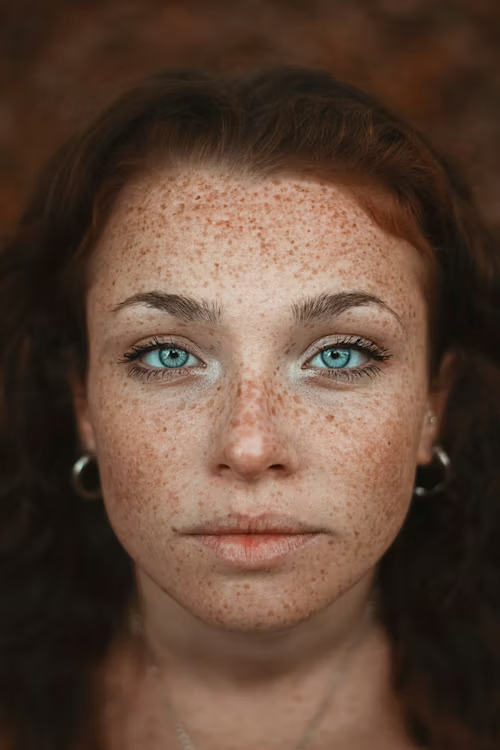
Freckles are small, genetic pigment clusters that darken in sunlight. They are harmless and usually appear in lighter skin tones.
Lentigines (Sun Spots)
These develop due to chronic UV exposure and are common in adults over 40.
Common Myths About Pigmentation: What Science Actually Says
Pigmentation myths are everywhere. Let’s clear them up.
Myth 1: Pigmentation can be completely cured
Truth: Pigmentation can be improved dramatically, but some types (like melasma) tend to recur unless triggers are controlled. Dermatologists prefer the word management rather than cure.
Myth 2: Natural remedies work faster than clinical ones
Truth: Some natural ingredients support pigmentation improvement, but few work faster than clinically studied ingredients like azelaic acid, retinoids, or tranexamic acid. Science-backed actives remain the gold standard.
Myth 3: Sunscreen only prevents tanning, not pigmentation
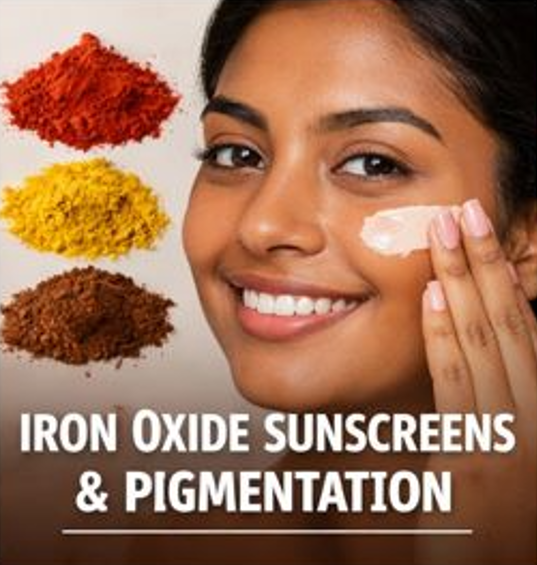
Truth: Sunscreen is the number one defense against pigmentation. Consistent sunscreen use can reduce the severity of melasma and prevent PIH from worsening.
Myth 4: Only fair skin gets pigmentation
Truth: Pigmentation affects all skin tones. Deeper skin actually has a stronger melanocyte response and may experience pigmentation more easily.
Myth 5: Pigmentation is always from the sun
Truth: Sun is a major cause, but not the only one. Hormones, inflammation, heat, and genetics all play roles.
Myth 6: Pigmentation fades on its own
Some mild PIH may fade over time, but melasma and sunspots rarely disappear without targeted treatment.
How to Manage Pigmentation: What Research Suggests
While this series will dive deeper in later articles, here is a quick overview based on current dermatological evidence.
Daily Sun Protection Is Non-Negotiable
Use broad-spectrum SPF 30 or higher every day. Reapply during extended outdoor exposure.
Use Proven Topical Ingredients
Dermatology research supports ingredients such as:
- Azelaic acid
- Vitamin C
- Niacinamide
- Tranexamic acid
- Retinoids
- Alpha arbutin
- Kojic acid
Combination treatments often work better than single ingredients.
Treat Triggers, Not Just Spots
For example:
- Manage hormonal changes with medical guidance
- Reduce heat exposure for melasma
- Treat acne early to prevent PIH
Be Patient
Pigmentation improves slowly because melanin is deep in the skin and transfers upward in cycles. Clinical results typically take 8–12 weeks or more.
Final Thoughts
Skin pigmentation is complex, but understanding its causes, types, and triggers empowers you to choose the right treatments. With the right blend of sun protection, evidence-backed skincare, and realistic expectations, pigmentation can be meaningfully reduced.
References (Recent Research-Based Sources)
- Sarkar R., et al. “Melasma Update: Advances in Pathogenesis and Treatment.” Dermatologic Clinics, 2022–2023.
- Llamas-Velasco M., et al. “Post-Inflammatory Hyperpigmentation: A Comprehensive Review.” Journal of the American Academy of Dermatology, 2021–2023.
- Cavallini M., et al. “The Role of Visible Light and Pollution in Pigmentation Disorders.” Journal of Cosmetic Dermatology, 2022–2024.
FAQS
1. What is the best treatment for skin pigmentation on face?
The best treatment depends on the cause, but high-volume dermatology keywords like skin pigmentation cream, chemical peels, laser pigmentation removal, and retinoids for dark spots consistently show strong results. Combination therapy—topicals + sunscreen + in-clinic treatments—usually works fastest.
2. How long does it take to remove hyperpigmentation?
Hyperpigmentation typically takes 8–12 weeks to fade when using proven ingredients like vitamin C, azelaic acid, alpha arbutin, and retinoids. Stubborn types, especially melasma, may take longer and respond best to melasma vs hyperpigmentation targeted routines.
3. Is laser good for pigmentation removal?
Yes, lasers are effective for sunspots and deep pigmentation. High-intent queries like laser pigmentation removal cost show strong interest because results can appear after 1–3 sessions. However, melasma requires cautious laser use due to risk of rebound pigmentation.
4. How do I lighten pigmentation naturally?
Natural remedies such as turmeric, aloe, licorice extract, and Ayurvedic blends—like ayurvedic treatment for pigmentation on face—can help. Diet also matters: the best fruit for hyperpigmentation includes papaya, pomegranate, strawberries, and oranges due to their antioxidant content.
5. Why does pigmentation get worse even after treatment?
Pigmentation may worsen if you skip sunscreen, use harsh exfoliants, or don’t manage triggers like heat, hormones, or inflammation. This is common in Asian skin discoloration and melasma, both of which require long-term management rather than quick fixes.
How melanin is produced in the skin scientifically?
Melanin production takes place when inside melanocytes through a process called melanogenesis, where the enzyme tyrosinase converts the amino acid tyrosine into melanin pigments.
These pigments are then packaged into melanosomes and transferred to surrounding skin cells, giving skin its color and protection.
Address: Block C, Punjab University Employees Housing Scheme Phase-II, Lahore, Pakistan
Contact Number: +923224563810