Skincare Routine Order for Pigmentation-Prone Pakistani Skin
If you are using niacinamide, vitamin C, sunscreen, and a moisturiser but still not seeing results — the problem might not be your products. It might be the skincare routine order you are applying them.

In Pakistan’s climate — harsh UV, high humidity, and dust — using actives in the wrong sequence can do more harm than good. For pigmentation-prone skin in particular, layering products incorrectly can neutralise your actives, worsen sensitivity, and even trigger more pigmentation.
This guide gives you the exact skincare routine order and you will learn how to layer skincare products, explained from a dermatologist’s perspective — with the science behind each step.
Why skincare routine order Matters for Pigmentation-Prone Skin
Your skin absorbs products based on molecular weight and pH. Applying a thick moisturiser before a serum, for example, physically blocks the active ingredients from penetrating the skin barrier. For pigmentation-prone skin, this means:
- Brightening actives like niacinamide and azelaic acid never reach the melanocytes where they need to work
- Vitamin C oxidises faster when layered incorrectly
- Sunscreen loses effectiveness when applied under moisturiser
The general rule is: thinnest to thickest, lowest pH to highest pH.
But for pigmentation-prone Pakistani skin, there are some important nuances.
The Complete Morning Routine — Step by Step
Step 1: Cleanser
Why first: You need a clean canvas. Leftover sebum, sunscreen residue, or pollution from the night before will block every product that follows.
For pigmentation-prone skin: Use a gentle, low-pH cleanser. Avoid harsh soaps or scrubbing — a damaged skin barrier makes pigmentation significantly harder to treat.
Leave skin: Slightly damp, not bone dry. Damp skin absorbs water-based serums better.
Step 2: Toner (Optional)
Why here: Toners restore your skin’s pH after cleansing and prep it for actives. If your cleanser is pH-balanced (around 5.5), you can skip this step entirely.
For pigmentation-prone skin: If you use a toner, choose one with hydrating ingredients like hyaluronic acid or centella asiatica. Avoid alcohol-based toners — they strip the skin barrier and, as explained in detail here, a compromised barrier directly worsens pigmentation.
Step 3: Vitamin C Serum
Why here: Vitamin C (ascorbic acid) has a very low pH — around 2.5 to 3.5. It must go on before anything with a higher pH, or it won’t absorb properly. It also needs direct skin contact to neutralise free radicals from UV exposure.
For pigmentation-prone skin: Vitamin C is one of the most important morning actives because it:
- Inhibits the enzyme tyrosinase, which drives melanin production. Looking for a stable Vitamin C serum suited to Pakistani skin? Forganica Vitamin C Serum is formulated for South Asian skin tones.
- Provides antioxidant protection that prevents inflammation-induced pigmentation
- Boosts the effectiveness of sunscreen
Wait time: 60–90 seconds before the next step, to allow absorption.
Note: If you are using L-ascorbic acid (the most potent form) and find it irritating, switch to a stabilised form like Sodium Ascorbyl Phosphate (SAP), which is gentler on reactive Pakistani skin.
Step 4: Treatment Serum (Niacinamide / Azelaic Acid / Tranexamic Acid)
Why here: After vitamin C has absorbed, you can apply your primary brightening serum. These serums have a higher pH than vitamin C and work at the level of the epidermis and dermis.
For pigmentation-prone skin: This is your most important step. Depending on your concern:
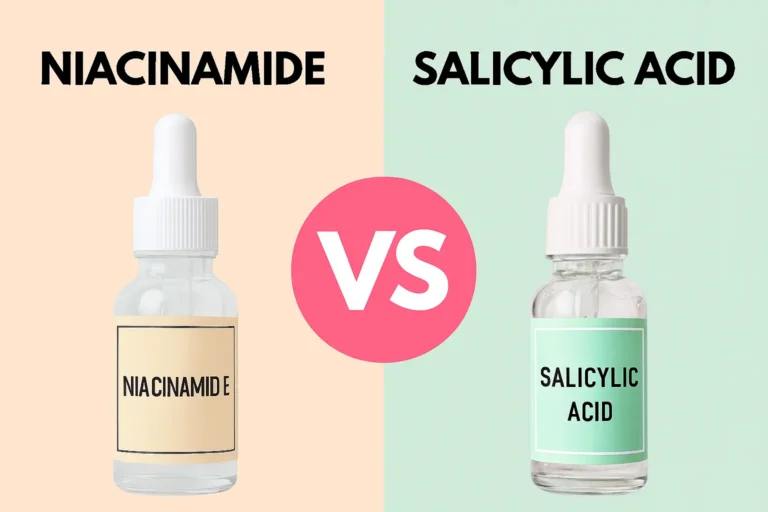
- Niacinamide — for general hyperpigmentation, pore size, and oil control
- Azelaic acid — for post-inflammatory pigmentation and redness
- Tranexamic acid or alpha arbutin — for melasma and stubborn dark patches
Shop Forganica’s brightening serums dermatologist-formulated for pigmentation-prone Pakistani skin.
Wait time: 1–2 minutes before moving on.
A common mistake: Applying niacinamide directly on top of vitamin C immediately causes a reaction that temporarily turns your skin yellow-orange (niacin flush). The 60-second wait between them prevents this.
Step 5: Eye Cream (If Using)
Why here: Eye creams are typically thicker than serums but thinner than moisturisers. Apply with your ring finger — lightest pressure — along the orbital bone, not directly on the eyelid.
Step 6: Moisturiser
Why here: Moisturiser seals in everything applied before it. It also supports your skin barrier, which is essential for allowing actives to work without causing irritation.
For pigmentation-prone skin: A healthy skin barrier is not optional — it is the foundation of every pigmentation treatment. Read more about barrier repair for pigmentation-prone skin.
Forganica’s barrier repair moisturiser is designed specifically for compromised and pigmentation-prone skin.
Choose a moisturiser suited to your skin type:
- Oily/acne-prone: gel-based, non-comedogenic
- Dry or barrier-damaged: ceramide-based cream
Step 7: Sunscreen — The Most Critical Step
Why last (in morning): Sunscreen must sit on top of all other products to form an effective physical or chemical barrier against UV. Applying it underneath a moisturiser reduces its SPF by up to 50%.
For Pakistani skin especially: UV is the single biggest trigger of pigmentation in South Asian skin. No brightening product will give lasting results without daily SPF 50+ broad-spectrum sunscreen. This is explained in full detail in the guides on sunscreen for Pakistani skin and visible light pigmentation.
Dr. Faiza recommends Forganica Sunscreen for daily use in Pakistan’s UV climate — no white cast, suitable for deeper skin tones.
Apply: A full teaspoon (approximately 1/4 tsp for the face alone) 15–20 minutes before sun exposure. Reapply every 2 hours outdoors.
For those with deeper skin tones, consider an iron oxide sunscreen to protect against both UV and visible light — a major but underappreciated driver of pigmentation in Pakistani skin.
☀️ Morning Routine — Quick Reference
| Step | Product | Wait Before Next Step |
|---|---|---|
| 1 | Cleanser | 30 seconds (pat dry) |
| 2 | Toner (optional) | 30 seconds |
| 3 | Vitamin C serum | 60–90 seconds |
| 4 | Brightening serum (niacinamide / azelaic acid / tranexamic acid) | 1–2 minutes |
| 5 | Eye cream | 30 seconds |
| 6 | Moisturiser | 1 minute |
| 7 | Sunscreen | Done — go outside |
Shop the full Forganica morning routine.
The Complete Night Routine — Step by Step
Night is when your skin repairs itself. This is when you use your strongest actives — retinol, exfoliating acids — because UV exposure is not a concern and cellular turnover accelerates during sleep. Here is the correct skincare routine order for night.
Step 1: Oil Cleanser or Micellar Water (Double Cleanse First Step)
Why: Removes sunscreen, makeup, and sebum. Sunscreen in particular does not come off with water-based cleanser alone. If you skip this, residual sunscreen will block every product that follows.
Skip if: You were indoors all day with no sunscreen or makeup.
Step 2: Water-Based Cleanser (Double Cleanse Second Step)
Cleans the skin itself after the oil cleanser has removed surface debris. Same principles apply as the morning cleanser — gentle, low-pH.
Step 3: Toner (Optional)
Same role as morning — pH balancing and hydration prep.
Step 4: Exfoliating Acid (2–3 Nights Per Week Only)
Why here: Chemical exfoliants like AHAs (glycolic acid, lactic acid) or BHAs (salicylic acid) work directly on the skin surface and need to go on before serums. They should never be used nightly — 2 to 3 times per week is sufficient.
For pigmentation-prone skin: Exfoliation accelerates the shedding of pigmented skin cells and enhances the penetration of brightening serums used after. However, over-exfoliation is one of the most common mistakes — it damages the barrier and triggers post-inflammatory pigmentation. Less is more.
Skip this step on nights you use retinol. Never use an AHA and retinol on the same night.
Step 5: Treatment Serum
On nights without exfoliation, this is your Step 4. Apply your brightening serum — niacinamide, tranexamic acid, or alpha arbutin. These are safe to use every night.
Step 6: Retinol (2–3 Nights Per Week)
Why here: Retinol works by accelerating skin cell turnover, reducing melanin transfer, and stimulating collagen. It goes after serums but before moisturiser because it needs to penetrate the deeper layers of the epidermis.
For pigmentation-prone skin: Retinol is one of the most evidence-backed ingredients for hyperpigmentation. However, it must be introduced slowly — starting once a week — to avoid retinol dermatitis, which causes redness, peeling, and ironically, more pigmentation.
For the correct approach to combining retinol with other actives, see the retinol and vitamin C guide.
The sandwich method for beginners: Moisturiser → Retinol → Moisturiser. This reduces irritation significantly.
Step 7: Moisturiser
Same role as morning — seals actives in, supports the barrier. At night you can use a slightly richer formula, especially in winter.
Step 8: Facial Oil (Optional)
If you have dry or barrier-damaged skin, a few drops of a non-comedogenic facial oil (rosehip, squalane) can go on last to seal in moisture overnight. Skip if oily or acne-prone.
🌙 Night Routine — Quick Reference
| Step | Product | Frequency |
|---|---|---|
| 1 | Oil cleanser | Every night |
| 2 | Water-based cleanser | Every night |
| 3 | Toner (optional) | Every night |
| 4 | Exfoliating acid | 2–3x per week only |
| 5 | Brightening serum | Every night |
| 6 | Retinol | 2–3x per week (not same night as acid) |
| 7 | Moisturiser | Every night |
| 8 | Facial oil (optional) | Dry/barrier-damaged skin only |
Shop the full Forganica night routine.
The 5 Most Common Layering Mistakes for Pigmentation-Prone Skin
1. Applying sunscreen under moisturiser This dilutes and physically disrupts the sunscreen film, reducing its actual SPF. Always sunscreen last in the morning.
2. Using vitamin C and niacinamide together with no wait time Applying them back to back with no gap causes a temporary niacin flush reaction. Wait 60 seconds between them.
3. Using retinol and AHAs on the same night Both are powerful exfoliants. Using them together strips the barrier, causes significant irritation, and triggers reactive pigmentation — the opposite of what you want. Alternate nights.
4. Skipping moisturiser because skin is oily Oily skin still needs hydration. Skipping moisturiser causes the skin to overproduce oil to compensate, worsens the barrier, and makes actives more irritating. Use a lightweight gel moisturiser.
5. Stopping treatment when skin looks better Pigmentation returns when treatment stops, especially in Pakistan’s UV environment. Maintenance is not optional. This is the biology explained in detail in why pigmentation returns after stopping treatment.
Special Considerations for Pakistani Skin
UV intensity is higher than most Western skincare advice accounts for. Pakistan has a UV Index that regularly reaches 10–12 in summer. Sunscreen guides written for European or American climates are not sufficient.
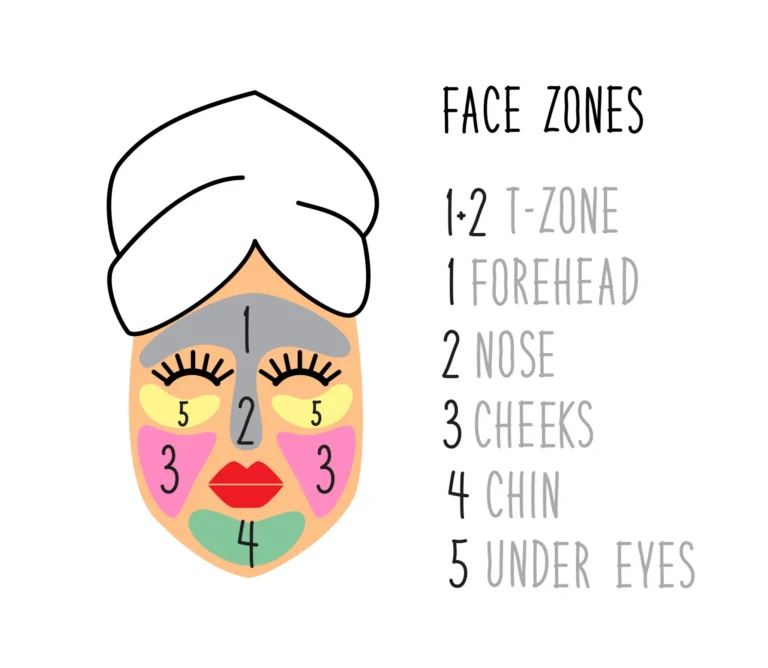
Fitzpatrick skin types IV–VI (most Pakistani skin) are more prone to post-inflammatory hyperpigmentation. Any irritation — from wrong layering, over-exfoliation, or harsh ingredients — shows up as dark marks faster than it would on lighter skin tones.
Hormonal pigmentation is extremely common, especially in women. If your pigmentation is symmetrical across both cheeks, the forehead, or upper lip, read the dedicated guide on hormonal pigmentation — the treatment approach is different.
Heat and humidity in Pakistan mean your skin may not tolerate heavy creams, layered oils, or rich textures that skincare influencers from cooler climates recommend. When in doubt, go lighter.
Frequently Asked Questions
Can I use all of these products at once when starting out?
No. Introduce one new active at a time, with at least two weeks between introductions. Starting vitamin C, retinol, and an exfoliating acid in the same week is a recipe for a damaged barrier and rebound pigmentation.
Do I need to use every step listed?
Absolutely not. A consistent routine of cleanser + vitamin C + moisturiser + sunscreen in the morning, and cleanser + brightening serum + moisturiser at night, is enough to see significant improvement. More products do not mean better results. Forganica’s Starter Pigmentation Kit covers exactly these four steps — nothing extra, nothing unnecessary.” (only add if this product exists)
My skin stings after applying vitamin C. What should I do?
Stinging from vitamin C is usually a sign of a compromised skin barrier. Pause vitamin C, focus on barrier repair for 2–4 weeks, then reintroduce at a lower concentration. Also read why brightening products burn the skin.
How long before I see results?
Pigmentation treatment requires patience. Most people see initial improvement in 6–8 weeks, with significant results at 3–6 months. Read the honest explanation of why pigmentation improves slowly and what a treatment plateau looks like.
Summary
The right layering order is not a minor detail — for pigmentation-prone skin in Pakistan’s UV environment, it is the difference between your actives working and not working. The core principles are:
- Thinnest to thickest
- Lowest pH to highest pH
- Vitamin C always before niacinamide (with a brief wait)
- Sunscreen always last in the morning
- Retinol and exfoliating acids never on the same night
- Consistency over complexity — a simple routine done correctly beats an expensive one applied in the wrong skincare routine order
If your pigmentation is not improving despite using the right products, the layering order is often the first place to look. All products mentioned in this routine are available at Forganica.com, curated by Dr. Faiza Shams for Pakistani skin.
For a personalised assessment of your pigmentation, book a consultation with Dr. Faiza Shams.
Related Reading: